SheffLaces - Page 9

Tricyclic Antidepressant Side Effects: Amitriptyline, Nortriptyline, and More
Tricyclic antidepressants like amitriptyline and nortriptyline are still used for depression and nerve pain, but they come with serious side effects including dry mouth, dizziness, heart risks, and cognitive decline-especially in older adults. Learn how they work, how they compare, and how to stay safe.
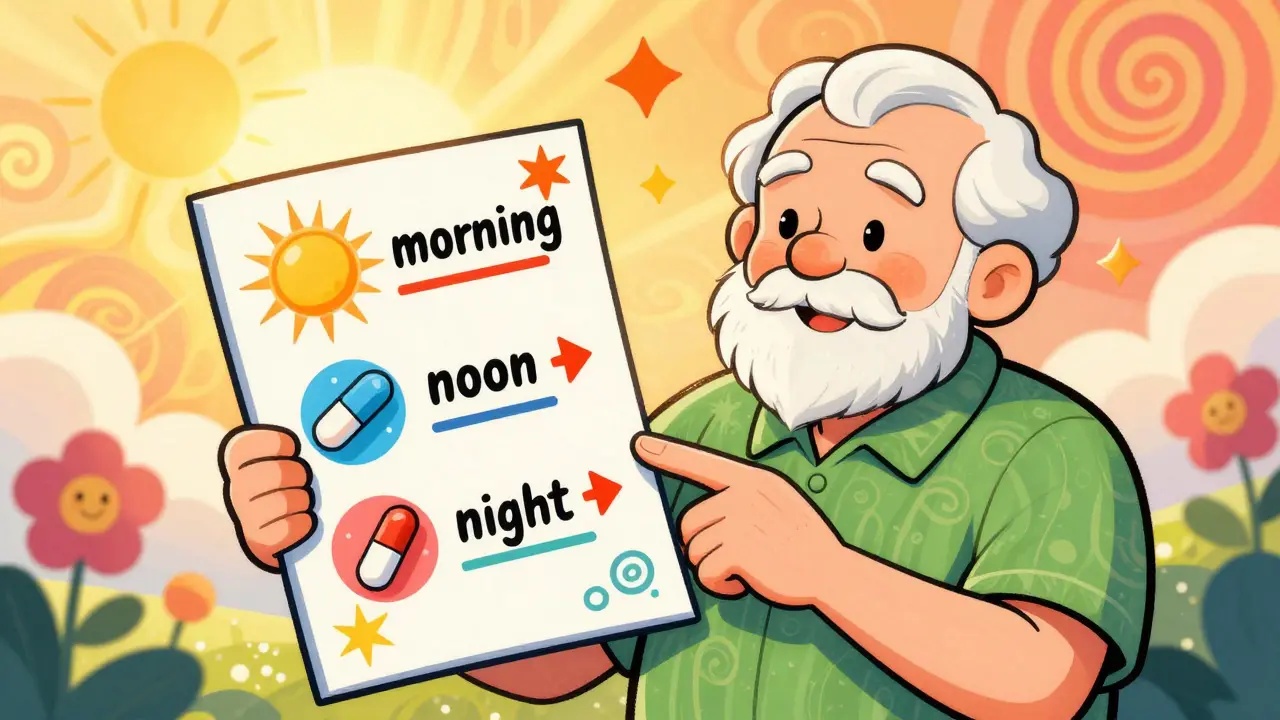
Senior Patient Education: Effective Materials for Older Adults
Senior patient education must be simple, visual, and tested with older adults. Learn how clear language, large print, and teach-back methods improve understanding, reduce hospital visits, and save lives.
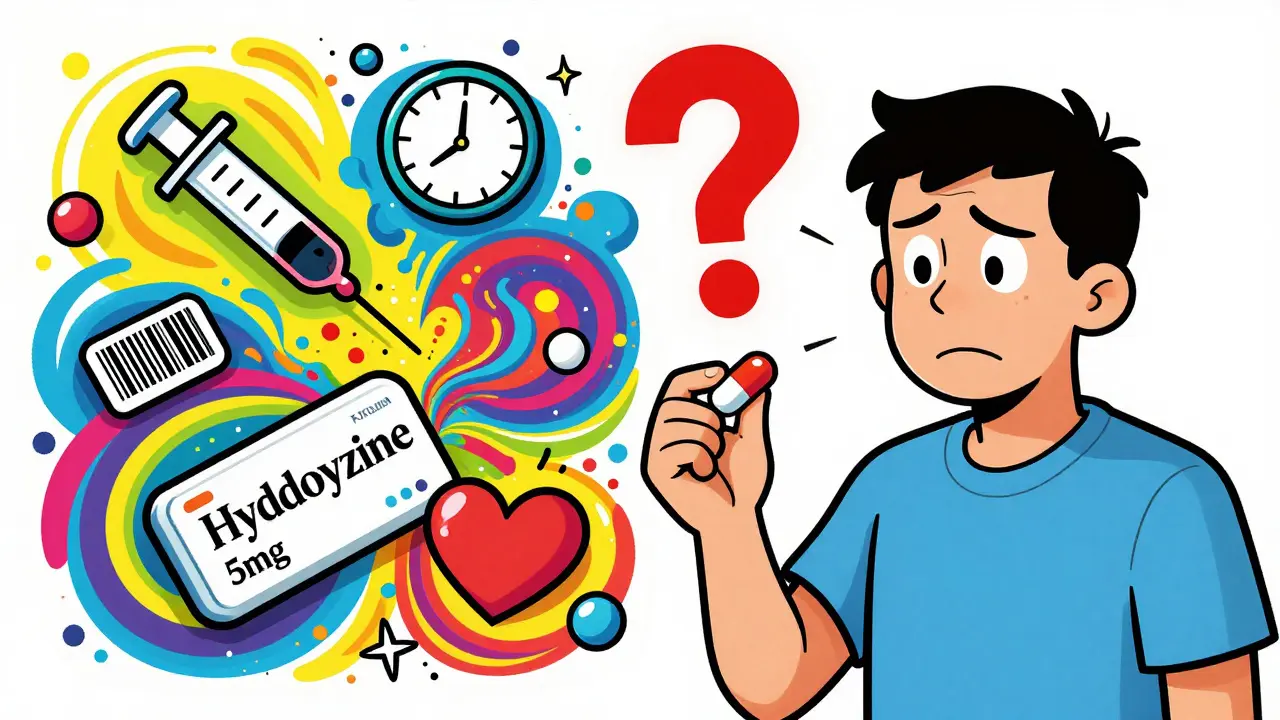
Medication Errors vs Drug Side Effects: How to Tell Them Apart and Why It Matters
Learn how to tell the difference between medication errors and drug side effects - why mixing them up is dangerous, how to spot each one, and what to do when something goes wrong.
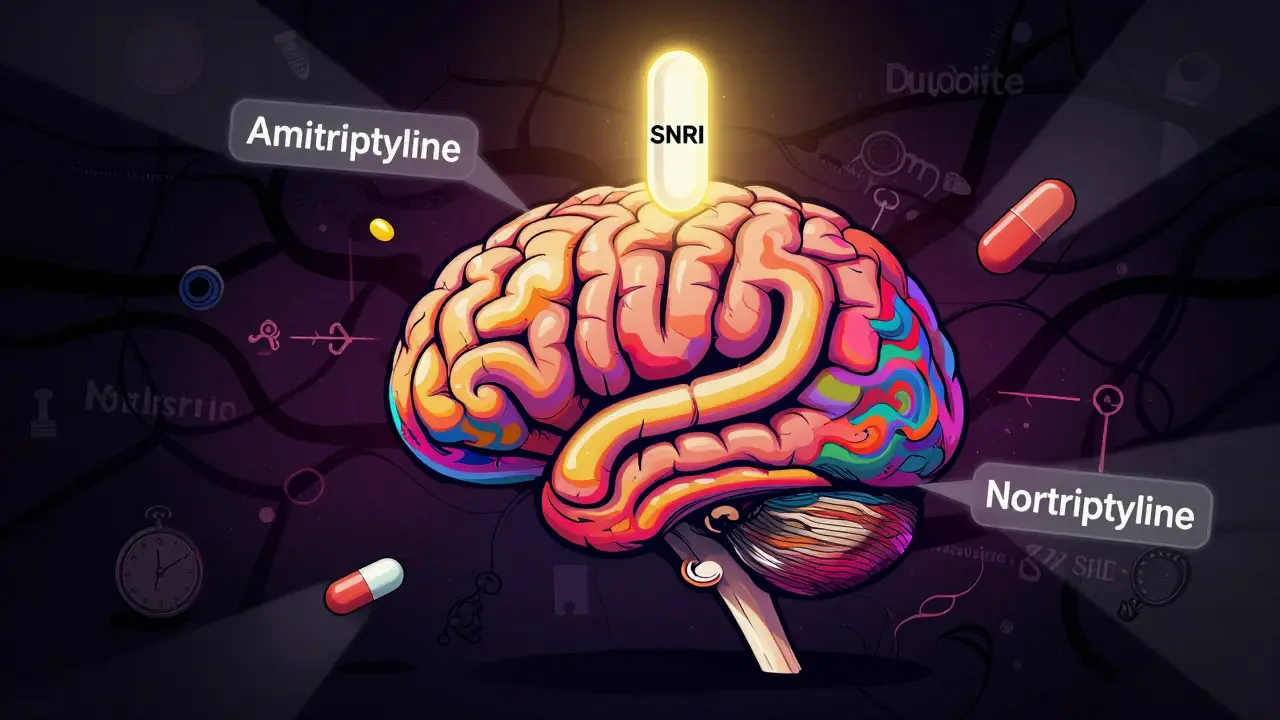
Anticholinergic Burden of Tricyclic Antidepressants: Cognitive and Cardiac Risks Explained
Tricyclic antidepressants like amitriptyline carry high anticholinergic burden, increasing risks of dementia and dangerous heart rhythms. Safer alternatives exist, and deprescribing can reverse cognitive decline.
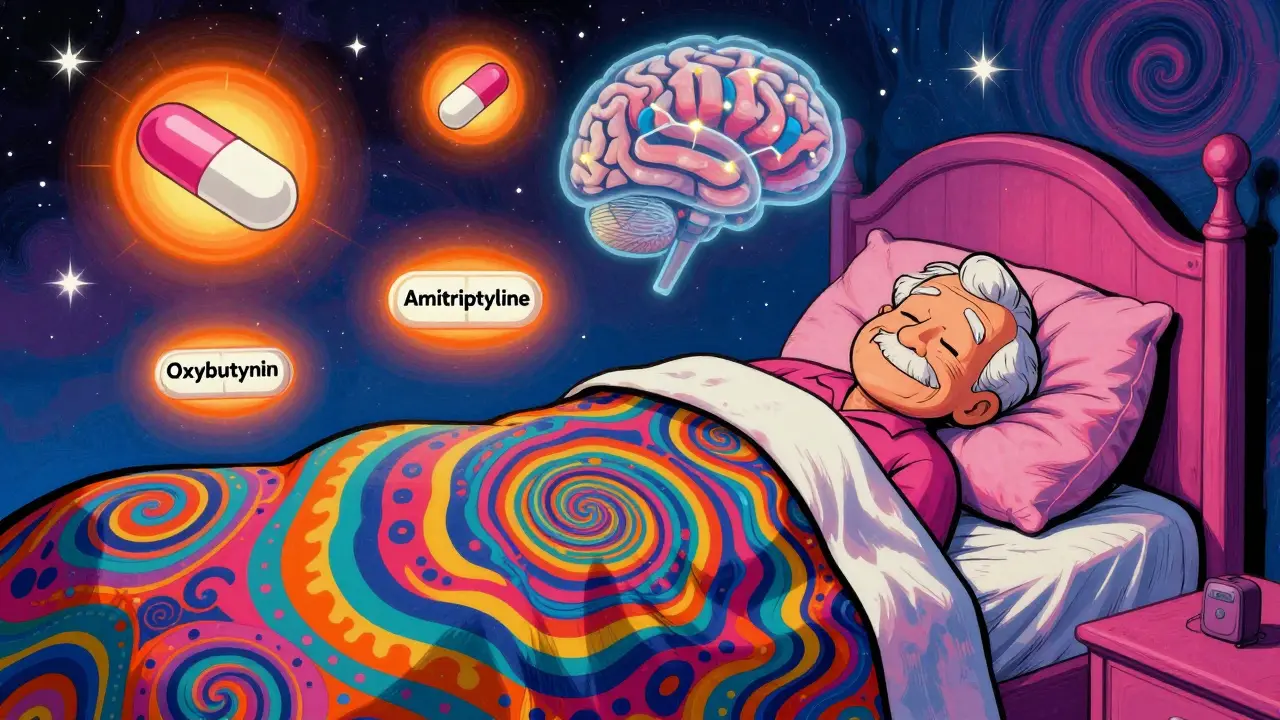
Cumulative Anticholinergic Burden: How Antihistamines Combine with Other Medications to Risk Cognitive Decline
First-generation antihistamines like Benadryl can significantly increase dementia risk when combined with other medications. Learn how cumulative anticholinergic burden affects older adults and what safer alternatives exist.
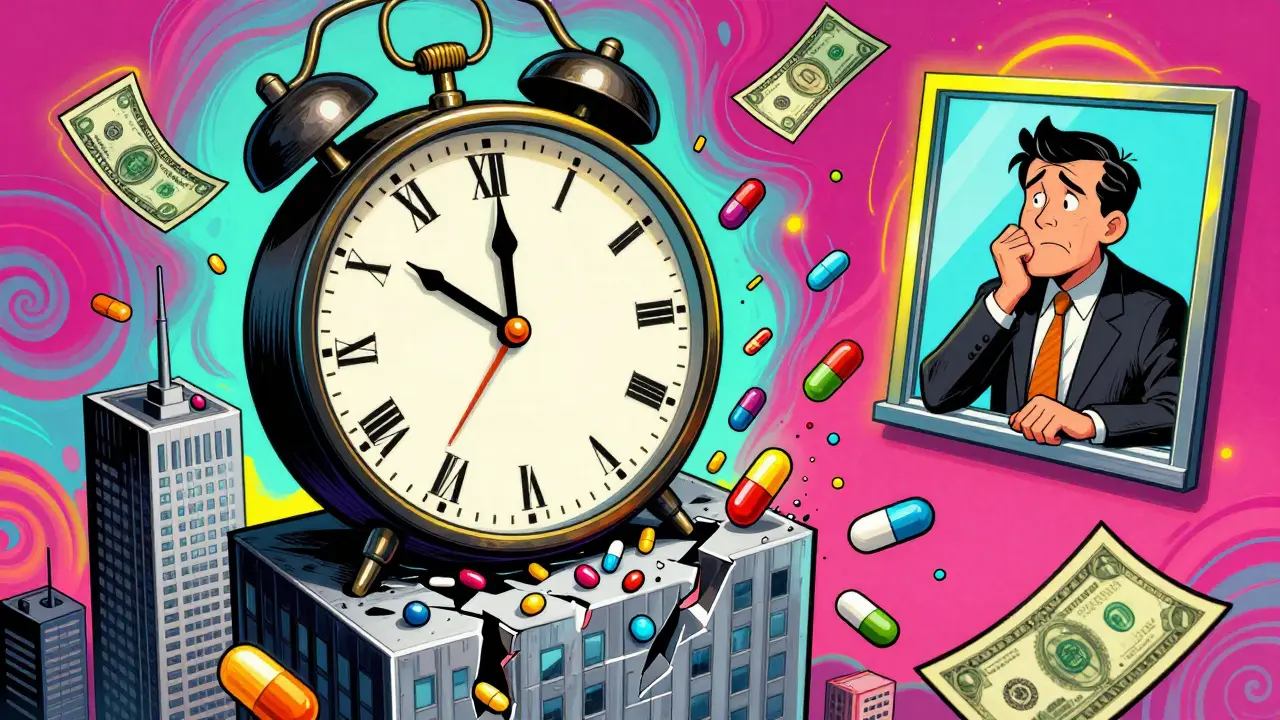
How Generic Drugs Are Reshaping Brand Pharmaceutical Economics
Generic drugs save the U.S. over $330 billion a year, but brand manufacturers face revenue crashes when patents expire. Learn how pricing, patent strategies, and middlemen shape the battle between cheap generics and high-cost brand drugs.
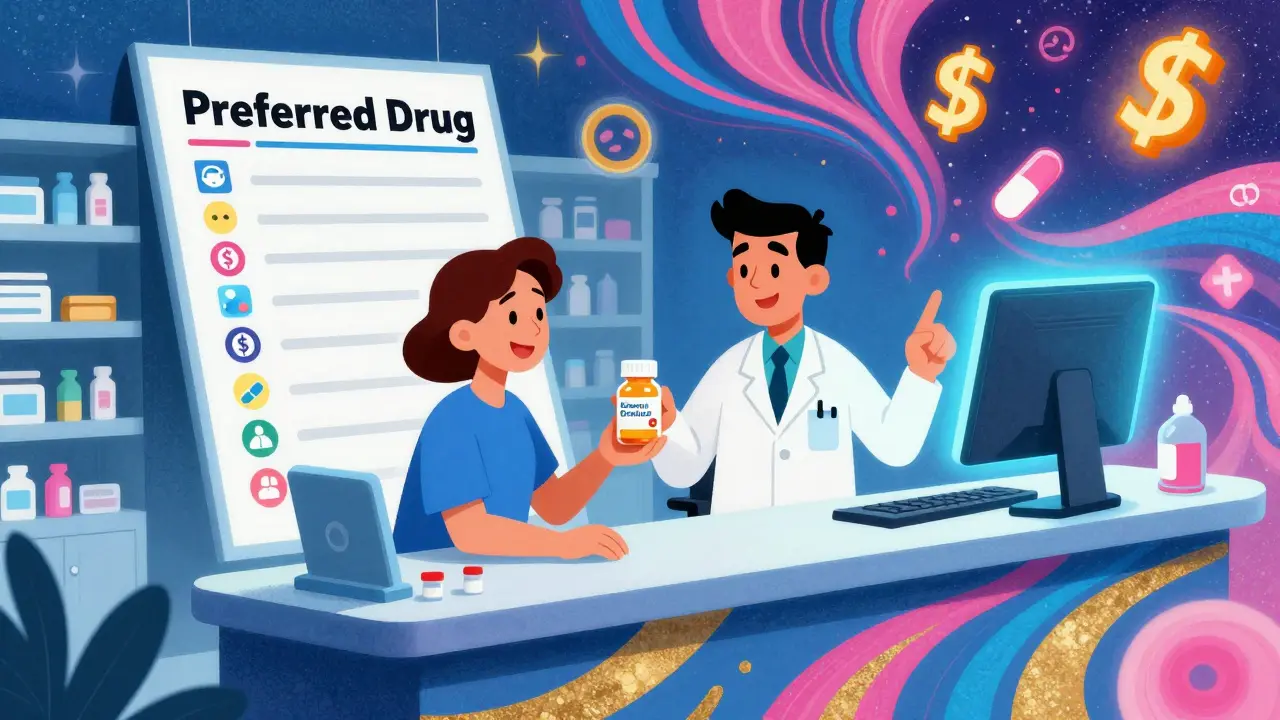
Generic Prescribing Incentives: How States Use Copays, Substitution Laws, and Drug Lists to Cut Costs
States use copay differentials, pharmacist substitution laws, and preferred drug lists to encourage generic drug use - saving billions without compromising care. Here's how these policies work and why they sometimes backfire.
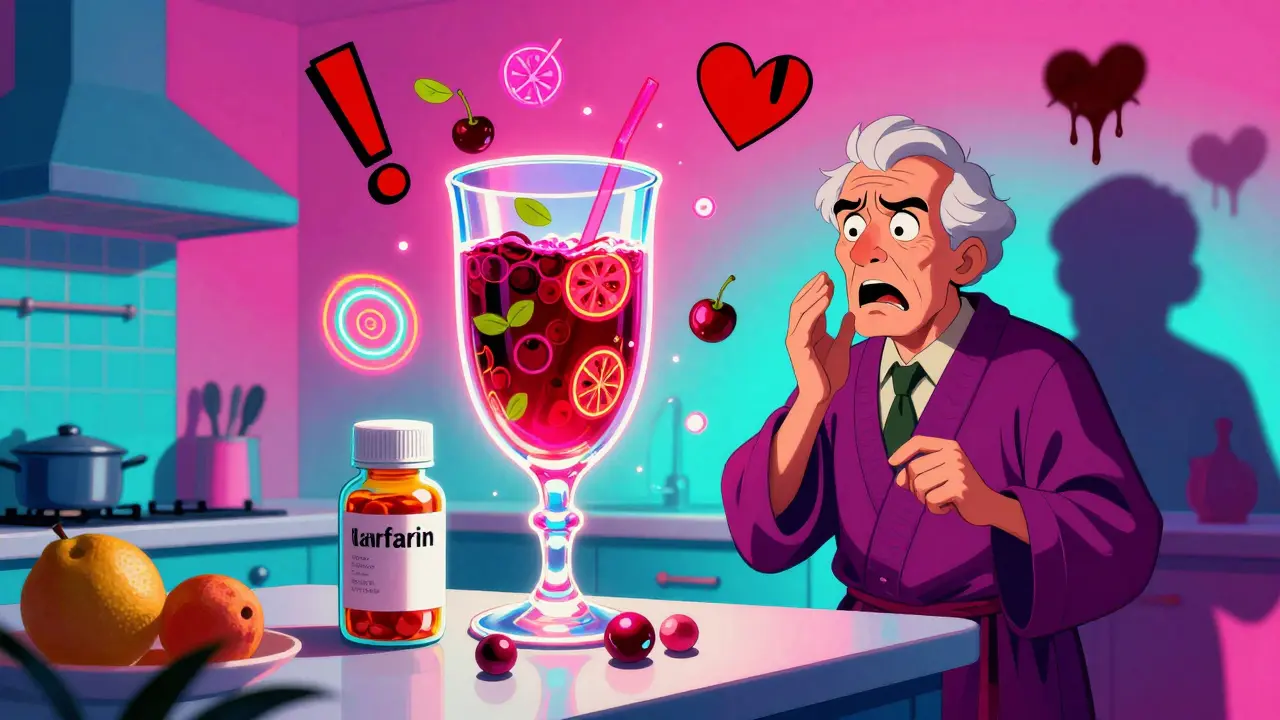
Cranberry Products and Warfarin: What You Need to Know About Bleeding Risk
Cranberry products can dangerously raise INR levels in people taking warfarin, increasing bleeding risk. Learn why even small amounts pose a threat and what safer alternatives exist.
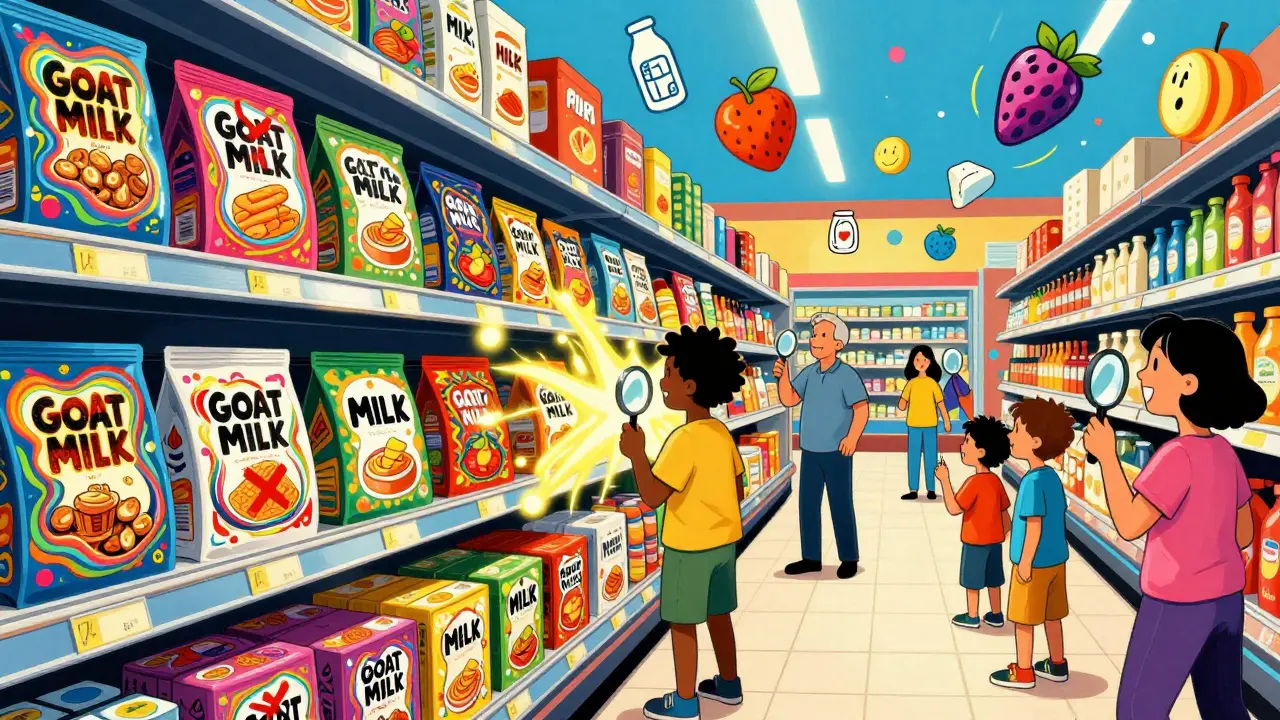
Food Labels and Allergies: Hidden Allergens and Safety in 2026
Updated FDA guidelines in 2025 require clearer food labels for allergens like milk, eggs, and shellfish. Know what's changed, what's hidden, and how to stay safe with today's food labels.

Global Medication Safety: How the U.S., EU, Canada, and Australia Regulate Drugs Today
Discover how the U.S., EU, Canada, and Australia regulate drugs differently-and why these differences put patients at risk when medications cross borders. Learn what’s changing and where global safety is headed.

Transplant Immunosuppression: Tacrolimus, Mycophenolate, and Steroids Explained for Kidney Recipients
Learn how tacrolimus, mycophenolate, and steroids work together to prevent kidney transplant rejection, their real-world side effects, and what you need to do daily to protect your new organ.
Clinical Trial Data vs Real-World Side Effects: What You Need to Know
Clinical trial data shows how drugs perform under controlled conditions, but real-world side effects reveal what happens when millions use them daily. Discover key differences, hidden risks, and how the FDA uses both to protect patients.