Archive: 2026/02

First Trimester Medication Safety: What You Need to Know About Critical Development Windows
The first trimester is the most critical time for medication safety in pregnancy. Learn which drugs are risky, which are safer, and how to make smart choices during this vital window.

Hypertension Management: Natural Strategies and Medication Control
Hypertension management combines evidence-based natural strategies like the DASH diet, garlic, and hibiscus tea with medication for optimal results. Learn what actually works, how long it takes, and how to stay safe.

Antibiotics for Bacterial Infections: Classes and How They Work
Antibiotics fight bacterial infections by targeting specific parts of bacterial cells. Learn how the main classes-beta-lactams, tetracyclines, fluoroquinolones, and others-work, their uses, risks, and why misuse leads to resistance.
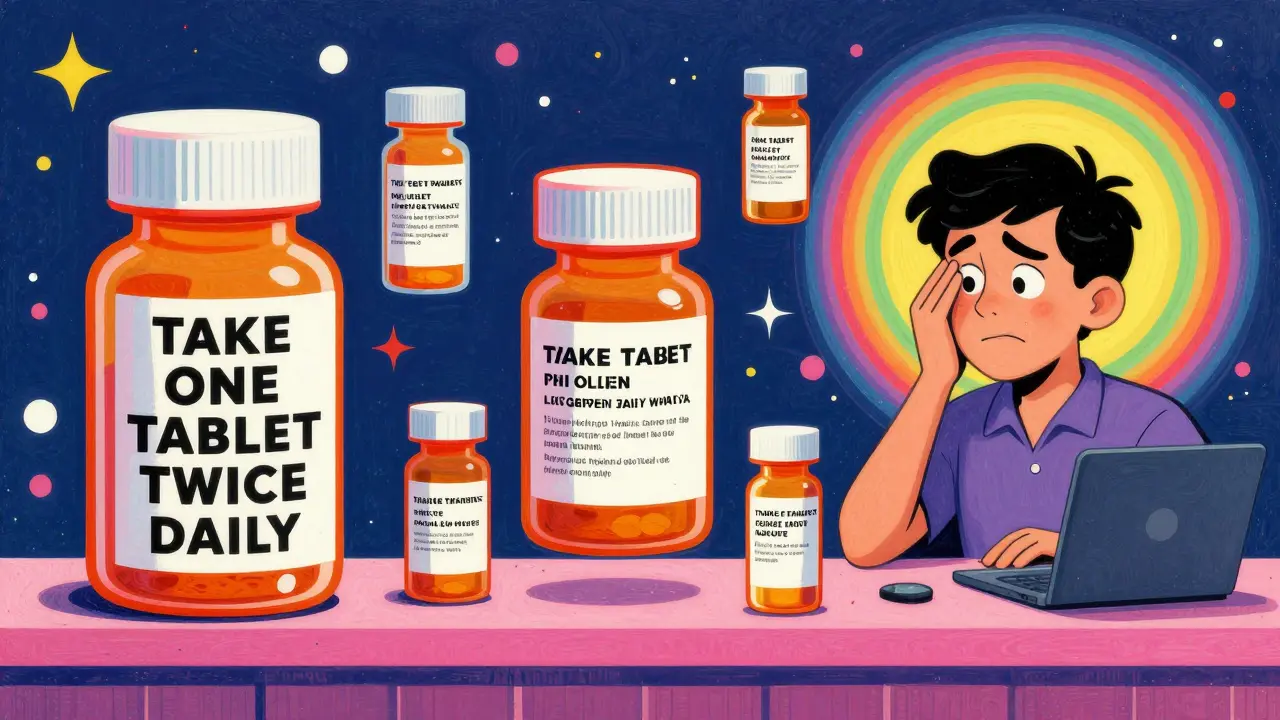
Prescription Label Layouts: Why Your Medication Bottle Looks Different
Prescription labels vary wildly across pharmacies and states, putting patients at risk. Learn why your medication bottle looks different each time and what’s being done to fix it.

Vitamin D and Statins: What the Research Says About Interactions
Research shows vitamin D supplements don't prevent statin muscle pain, despite widespread belief. Learn what studies reveal about interactions, which statins matter, and what you should actually do.

Macrolide Antibiotics and Heart Arrhythmias: QT Prolongation Risk
Macrolide antibiotics like azithromycin and clarithromycin can prolong the QT interval and trigger dangerous heart rhythms. Learn who's at risk, how to spot it, and what doctors should do to prevent life-threatening arrhythmias.
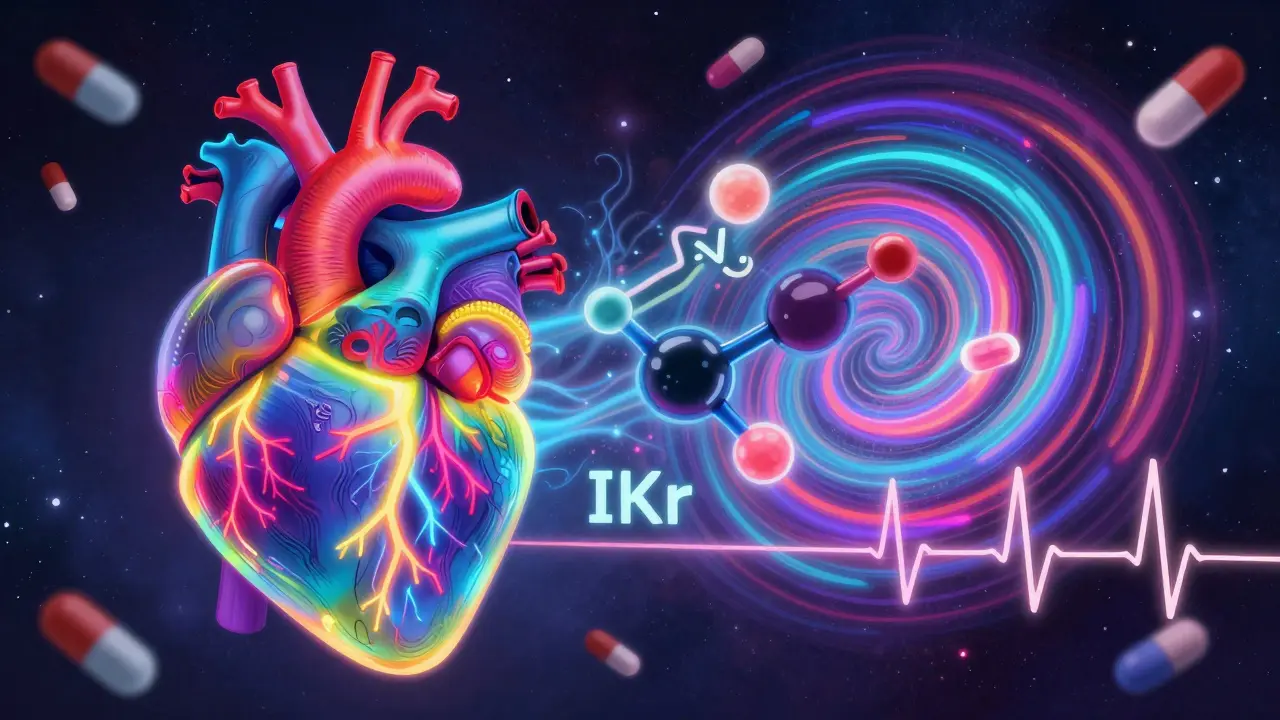
Macrolides and QT-Prolonging Drugs: Understanding the Arrhythmia Risk
Macrolide antibiotics like azithromycin and clarithromycin can prolong the QT interval and trigger dangerous heart rhythms, especially in older adults or those on other medications. Understanding the real risks and knowing when to avoid them can save lives.

Immunosuppressant Drug Interactions: Azathioprine and Mycophenolate Explained
Azathioprine and mycophenolate are key immunosuppressants used after transplants and for autoimmune diseases. Learn how their interactions, dosing rules, and genetic risks affect safety and effectiveness - and what you need to ask your doctor.

Prescription Discount Programs and Coupons: Do They Really Save Money?
Prescription discount programs can save you hundreds on generic drugs - but often don't help with brand-name medications. Learn how GoodRx, manufacturer coupons, and PAPs really work - and when they cost more than they save.

Non-Opioid Pain Management: Proven Alternatives That Work
Non-opioid pain management offers safer, effective alternatives to opioids for chronic and acute pain. From physical therapy to new drugs like suzetrigine, proven options exist without the risk of addiction.

Biosimilars and Pharmacist Counseling: How Pharmacists Guide Patients and Handle Substitution
Biologics make up just 2% of prescriptions but half of drug spending. Biosimilars can save costs, but pharmacists play a key role in counseling patients and handling substitutions. Learn how they overcome barriers like patient hesitancy and prescriber resistance.
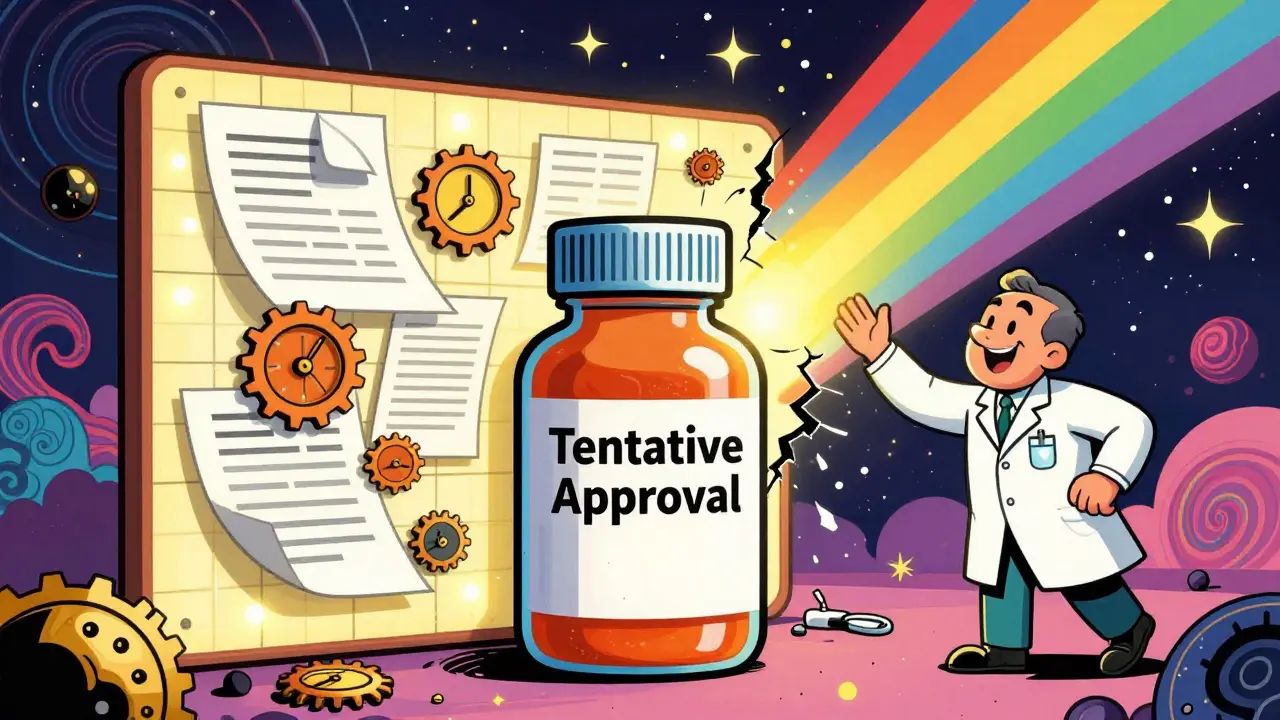
Tentative Approval for Generics: Common Reasons for Delays
Tentative approval from the FDA means a generic drug meets all quality standards but can't launch yet due to patents or exclusivity. Common delays include review cycles, patent litigation, complex manufacturing, and market disincentives - leaving patients waiting for affordable options.