Non-Opioid Pain Management Plan Calculator
Personalized Pain Management Plan
Your Personalized Plan
Recommended Treatments
How this plan works for your pain
Based on your pain type and location, these treatments are recommended because:
Chronic pain often responds better to non-opioid approaches like physical therapy and CBT than to long-term opioid use.
Estimated Timeline
Cost Estimates
When you’re in pain, it’s natural to reach for something strong-something that takes the edge off fast. For years, that meant opioids. But the reality has changed. Opioids don’t work well for long-term pain, and they come with serious risks: addiction, overdose, and dangerous side effects. In 2021, over 16,700 people in the U.S. died from prescription opioids alone. That’s why doctors now recommend non-opioid pain management as the first step-not the last resort.
Why Non-Opioid Options Are the New Standard
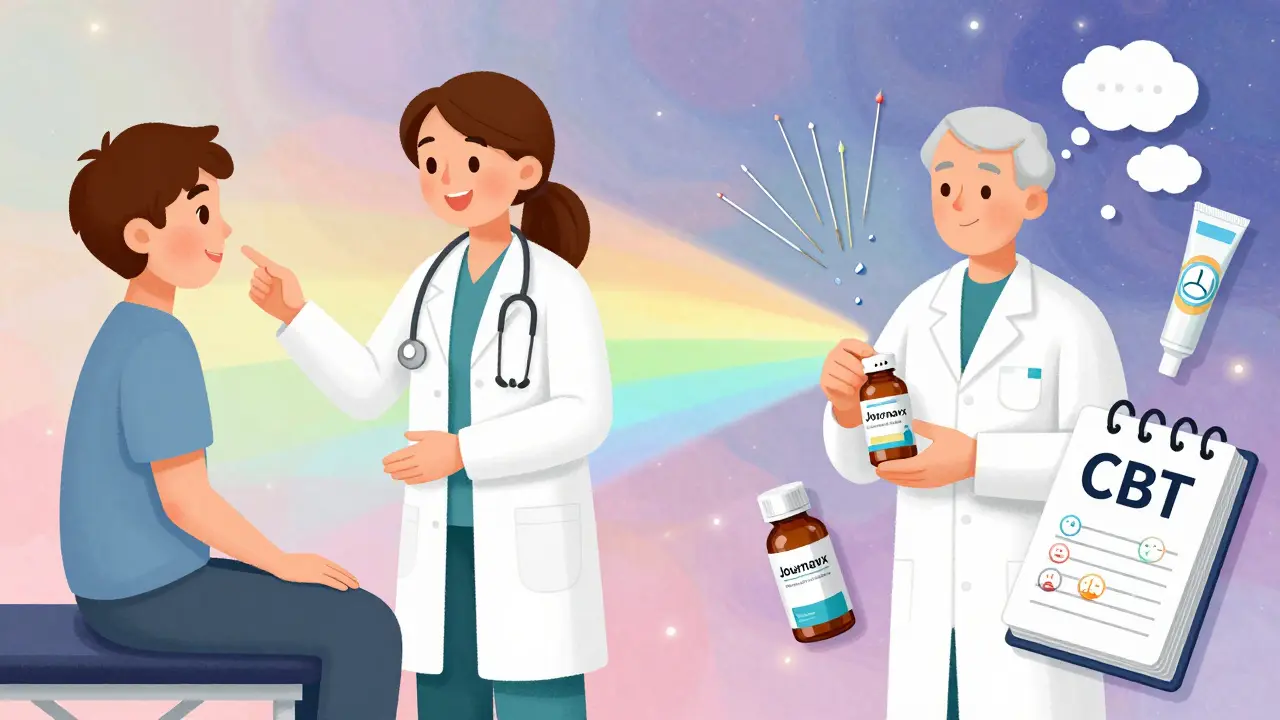
The CDC’s 2022 Clinical Practice Guideline made it clear: for most chronic pain, non-opioid treatments are safer and just as effective. This isn’t just opinion-it’s based on data from thousands of patients. A 2022 study in JAMA Network Open followed people with back pain and osteoarthritis for a year. Those on non-opioid treatments reported the same level of pain relief as opioid users-but with nearly 40% fewer side effects. No drowsiness. No constipation. No risk of dependence. The shift isn’t just happening in clinics. Insurance companies, hospitals, and even state laws are changing. Florida now requires doctors to tell patients about non-opioid options before prescribing opioids. Medicare covers physical therapy and acupuncture. And in October 2023, the FDA approved Journavx (suzetrigine), the first new non-opioid painkiller in over 20 years, specifically for moderate to severe acute pain.Non-Drug Therapies That Actually Work
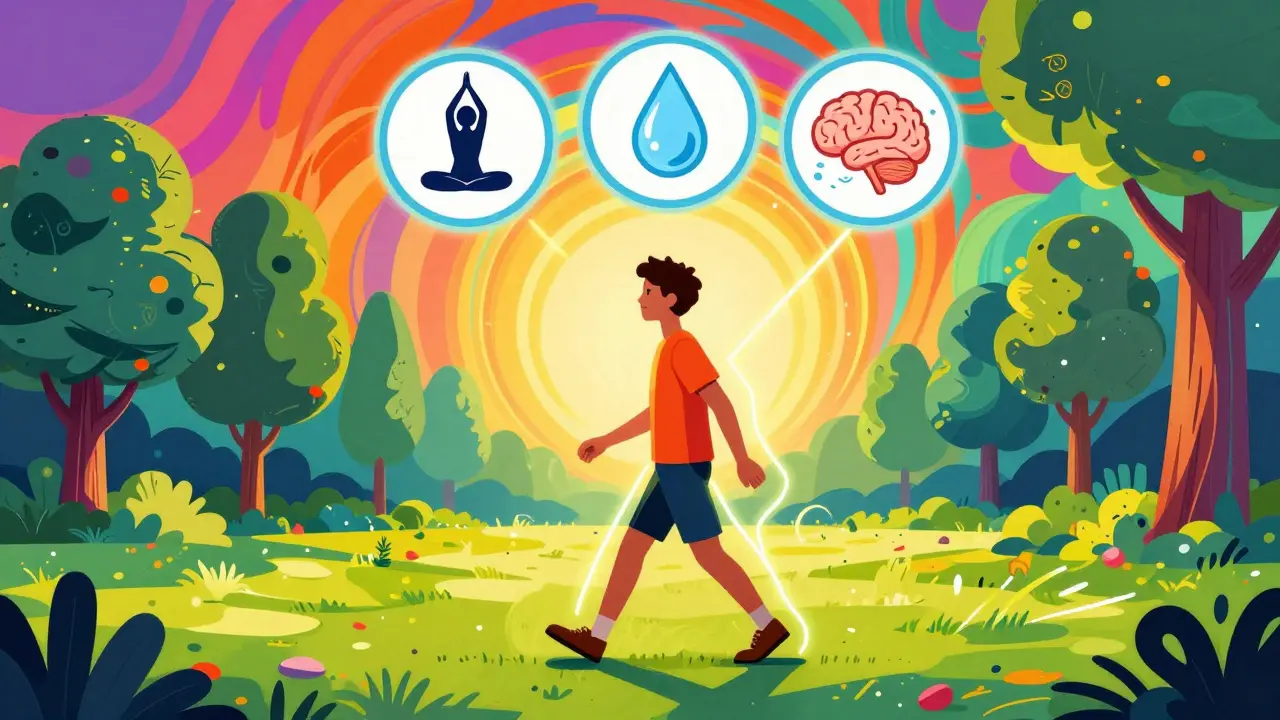
Medication isn’t the only way. In fact, for many types of pain, movement and mindset are more powerful than pills.- Exercise therapy: Whether it’s walking, swimming, or strength training, regular movement reduces pain and improves function. The CDC recommends at least 2-3 sessions per week for 6-8 weeks. People with knee osteoarthritis who stuck with aquatic exercise saw 30-50% less pain after 12 weeks.
- Physical therapy: A trained therapist doesn’t just give you stretches-they design a plan. For lower back pain, a typical program lasts 6-12 weeks, starting with 2-3 visits a week and tapering off. Medicare covers 80% of the cost after you meet your deductible.
- Cognitive behavioral therapy (CBT): Pain isn’t just physical. It affects your mood, sleep, and thoughts. CBT helps you reframe how you experience pain. Studies show 8-12 weekly sessions can cut pain intensity by 40% in chronic pain patients.
- Yoga, tai chi, and mindfulness: These practices combine movement, breath, and focus. A 2023 review found that people with fibromyalgia who practiced yoga twice a week reported better sleep, less fatigue, and lower pain scores than those on medication alone.
- Acupuncture and massage: A survey of 247 chronic pain patients on Mayo Clinic’s forum showed 68% got moderate to significant relief from acupuncture. Massage therapy is especially helpful for muscle tension and neck pain.
Non-Opioid Medications That Work
Sometimes, you need something stronger than movement. Here are the most reliable non-opioid drugs, backed by clinical evidence:- NSAIDs (ibuprofen, naproxen): Great for inflammation-based pain like arthritis or sprains. But long-term use can harm your stomach, kidneys, or heart. Stick to the lowest dose for the shortest time.
- Acetaminophen (Tylenol): Safer for the stomach than NSAIDs, but too much can damage your liver. Never exceed 3,000 mg per day if you drink alcohol or have liver issues.
- Duloxetine and venlafaxine (SNRIs): Originally antidepressants, these help with nerve pain and chronic musculoskeletal pain. About 30-50% of users get at least 30% pain reduction. Side effects? Nausea, dry mouth, and dizziness-usually fade after a few weeks.
- Gabapentin and pregabalin: Used for nerve pain from diabetes, shingles, or sciatica. They work for about 30-50% of patients. But 62% report drowsiness, and 38% gain weight. Start low, go slow.
- Topical treatments: Capsaicin cream (from chili peppers) and lidocaine patches deliver pain relief directly to the skin with almost no systemic side effects. Ideal for localized pain like arthritis in the hands or knees.
- Journavx (suzetrigine): Approved in 2023, this is the first new non-opioid analgesic in decades. It blocks sodium channels in nerves-no addiction risk. Used for short-term acute pain, like after surgery or injury.
What Doesn’t Work (And Why)
Not every alternative is right for everyone. Here’s where people often get stuck:- NSAIDs aren’t safe for everyone: If you have kidney disease (affects 15% of people over 65), long-term NSAIDs can make it worse.
- Antidepressants take time: Duloxetine won’t help on day one. It takes 4-6 weeks to build up in your system. If you quit too soon, you’ll think it doesn’t work.
- Physical therapy fails without consistency: Only 30-70% of people stick with their home exercise plan. If you skip sessions, you won’t see results.
- Insurance limits are real: A 2022 U.S. Pain Foundation survey found 42% of patients hit their annual cap on physical therapy or acupuncture. Some insurers only cover 15 visits per year.
Real People, Real Results
On Reddit’s r/ChronicPain community, one user shared how they managed fibromyalgia without opioids: aquatic therapy twice a week, CBT for anxiety, and low-dose naltrexone (an off-label use that helps regulate immune response). After 8 months, their pain dropped from an 8/10 to a 3/10. Another patient, 69, with knee osteoarthritis, tried glucosamine, then NSAIDs, then steroids. Nothing stuck. Then she started physical therapy and daily walking. Two years later, she’s off all meds and hikes weekly. These aren’t outliers. They’re examples of what’s possible when you combine the right tools.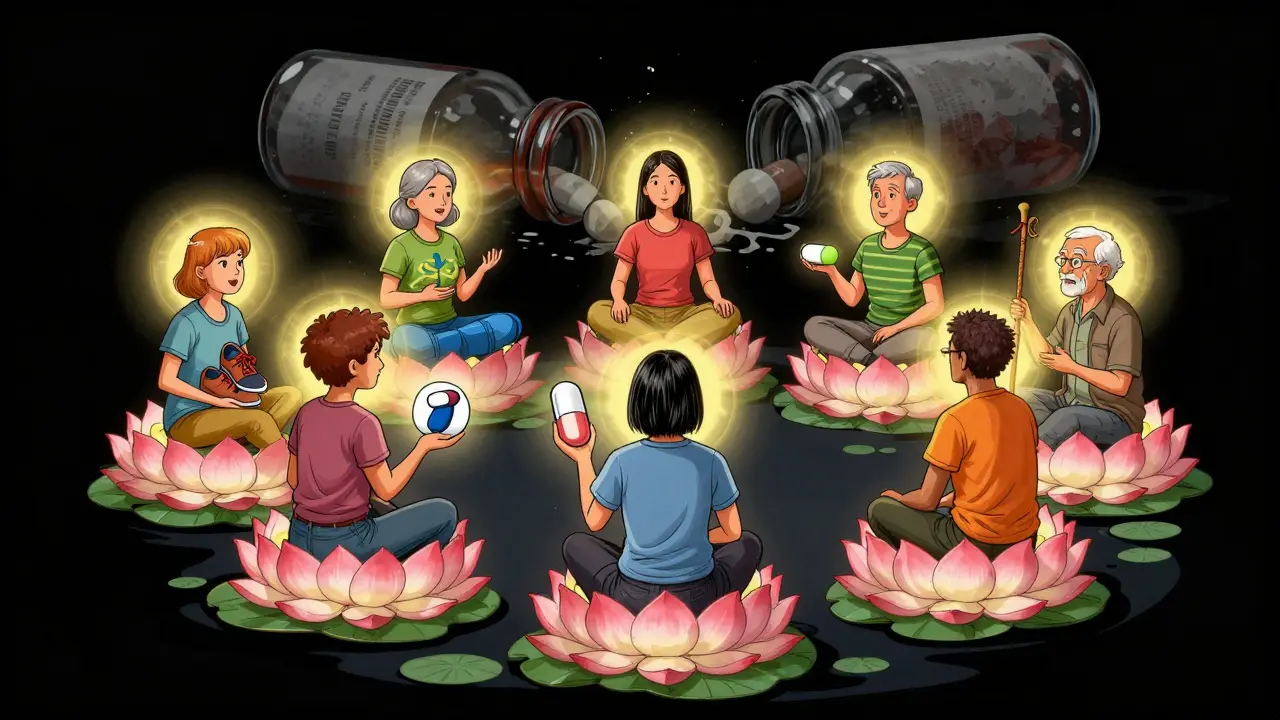
Barriers to Access
The science is clear. But getting care isn’t always easy.- Rural areas: A 2023 study found 58% of rural counties lack physical therapists. 72% have no psychologists. If you live outside a city, finding these services is a challenge.
- Cost: Even with insurance, co-pays for therapy can add up. A single acupuncture session might cost $75 out-of-pocket.
- Provider training: Many doctors still default to prescribing opioids because they’re familiar. Only 67% of primary care providers now start with non-opioid options-up from 35% in 2016, but still not universal.
What to Do Next
If you’re managing chronic pain:- Ask your doctor: "What non-opioid options have been shown to work for my type of pain?"
- Try one non-drug approach first-like walking 30 minutes a day, 5 days a week.
- If pain persists, ask about CBT or physical therapy. Many clinics offer free initial consultations.
- Track your pain on a scale of 1-10 before and after each treatment. This helps you and your provider see what’s working.
- If you’re on opioids, don’t quit cold turkey. Talk to your doctor about tapering while adding non-opioid supports.
Bottom Line
Non-opioid pain management isn’t about giving up. It’s about choosing better. You don’t need a miracle drug. You need a smart plan-movement, mindset, and targeted treatments that fit your life. The evidence is overwhelming: safer, more effective, and longer-lasting relief is possible without opioids.Are non-opioid pain treatments really as effective as opioids?
Yes-for most chronic pain conditions. A 2022 study in JAMA Network Open found that patients using non-opioid treatments for back pain and osteoarthritis had the same level of pain relief as those on opioids, but with far fewer side effects. Opioids offer little to no benefit beyond 3 months for long-term pain, while non-opioid options like physical therapy, CBT, and certain medications improve function and reduce pain over time.
What’s the safest non-opioid pain reliever?
There’s no single "safest" option-it depends on your health. For most people, acetaminophen (Tylenol) is safer than NSAIDs if you have kidney or heart issues. Topical treatments like lidocaine patches or capsaicin cream have almost no systemic risks. For nerve pain, duloxetine or gabapentin can be effective but require monitoring. Always talk to your doctor to match the drug to your medical history.
How long does it take for non-drug pain treatments to work?
It varies. Exercise and physical therapy usually show results in 4-8 weeks. CBT typically needs 8-12 weekly sessions to make a difference. Mindfulness practices like meditation require daily practice for 6-8 weeks before you notice changes. These aren’t quick fixes-they’re lifestyle changes. But once they take hold, the benefits last.
Why aren’t non-opioid treatments covered better by insurance?
Many insurers still treat non-opioid therapies like "optional"-limiting physical therapy to 15-20 visits per year or requiring prior authorization for acupuncture. This is changing, but slowly. Medicare covers 80% of physical therapy after your deductible, but private plans often have stricter caps. Advocacy groups like the U.S. Pain Foundation are pushing for better coverage, and some states now require insurers to cover non-opioid treatments.
Can I use non-opioid treatments if I’m already on opioids?
Absolutely. In fact, combining non-opioid approaches with a slow taper is the safest way to reduce opioid use. Many patients find that adding physical therapy or CBT makes it easier to lower their opioid dose. Never stop opioids suddenly-work with your doctor to create a plan that adds supportive treatments while reducing opioids over time.

AMIT JINDAL
February 7, 2026 AT 21:35so like... i tried all this "non-opioid" crap after my back surgery and honestly? it was a joke. physical therapy? i did 3 sessions and my back hurt more. yoga? i fell asleep mid-downward dog. cbt? i was like "cool story bro" and walked out. then i took one oxycodone and boom-i could feel my toes again. why are we pretending this isn't just corporate propaganda disguised as "health"? they don't want you to be in pain because then you can't work. simple as that.
Ariel Edmisten
February 8, 2026 AT 20:48Walking 30 mins a day changed everything for me. No magic. Just consistency.
Niel Amstrong Stein
February 9, 2026 AT 05:23bro i swear i started doing 10 min meditations before bed and now i sleep like a baby. not saying it's a cure but man... it's like your brain finally gets to chill. also i use cbd oil now. not legal everywhere but if you're in a chill state? worth a try. 🌿
Lakisha Sarbah
February 11, 2026 AT 01:30My mom’s been on gabapentin for 3 years for neuropathy. It helped, but the dizziness? Brutal. She switched to daily stretching and now she’s down to half the dose. Took 4 months. Worth it.
Paula Sa
February 11, 2026 AT 13:42I think what’s missing from this conversation is how much emotional labor pain carries. It’s not just your body-it’s your job, your relationships, your sense of self. When I started CBT, I didn’t realize I was blaming myself for not "being strong enough." The therapy didn’t take the pain away… but it stopped making me hate myself for having it.
Catherine Wybourne
February 12, 2026 AT 14:21OMG I JUST READ THIS AND I'M SO EMOTIONAL?? Like, I've been in chronic pain for 12 years and everyone keeps telling me "just try yoga" like it's a spa day?? But then I saw the part about aquatic therapy and I started crying because my sister did that after her accident and now she swims laps like a damn dolphin. I'm gonna try it. Thank you. 🥹💧
Patrick Jarillon
February 12, 2026 AT 15:59Oh wow. So the FDA approved some new "non-opioid" drug called Journavx? Funny how that just happened after the big pharma lobbyists got their PAC money into Congress. You think this is about patient care? Nah. This is about patent extensions and replacing one monopoly with another. They don't want you cured-they want you subscribed. And guess what? Physical therapy? Acupuncture? Those don't have shareholders. So they're being starved. This isn't science. It's capitalism with a yoga mat.
Jesse Lord
February 14, 2026 AT 01:46My doc tried to push me onto opioids after my knee injury. I said no. We tried NSAIDs first, then lidocaine patches. Took 6 weeks. I’m still not 100% but I can walk my dog without wincing. And I didn’t lose my mind to addiction. That’s a win.
Amit Jain
February 14, 2026 AT 04:11you people are so naive. non-opioid treatments work? sure. for people with good insurance, a supportive family, and a 9-5 job where you can take time off. what about the single mom working two jobs who can't afford PT? or the veteran with PTSD who can't even leave the house? this whole post is a luxury pamphlet. real pain doesn't care about your study stats.
Tola Adedipe
February 15, 2026 AT 13:33They said CBT wouldn't help my migraines. I did 10 sessions. Now I catch the warning signs before they hit. I still get them-but I’m not terrified anymore. That’s worth more than a pill that makes me nod off at my desk.
Mary Carroll Allen
February 16, 2026 AT 20:03i tried acupuncture and it was a vibe? like, the needles didn't hurt and the lady played chill lofi and i fell asleep? weirdly? my neck pain was gone for 3 days. i went back. now i go every 3 weeks. it's not science-y but i'll take it. also i think my dog started meditating with me. 🐶✨
Heather Burrows
February 17, 2026 AT 17:40It’s not that I disagree with the science. It’s that I’m tired of being told to "just try harder" while my insurance denies coverage and my employer expects me to be productive. The system doesn’t care about pain-it cares about productivity. And until that changes, none of this matters.
Joey Gianvincenzi
February 17, 2026 AT 22:10While the empirical evidence presented is commendable, one must not overlook the structural inequities embedded within healthcare delivery systems. The accessibility of non-opioid interventions remains disproportionately distributed across socioeconomic strata, thereby rendering the ostensibly "evidence-based" recommendations functionally inaccessible to marginalized populations. This constitutes a form of epistemic violence under the guise of clinical pragmatism.