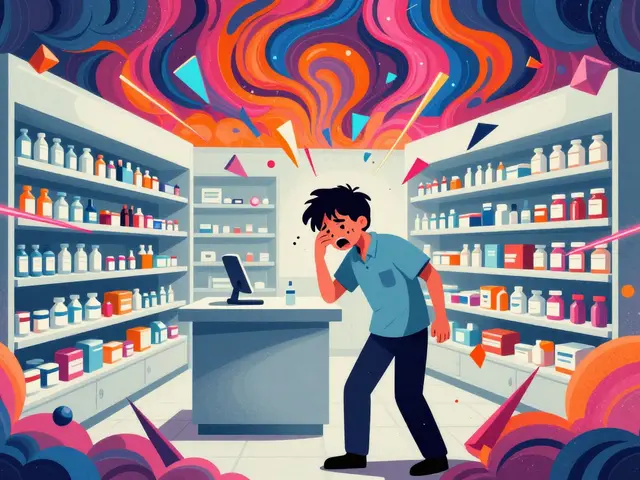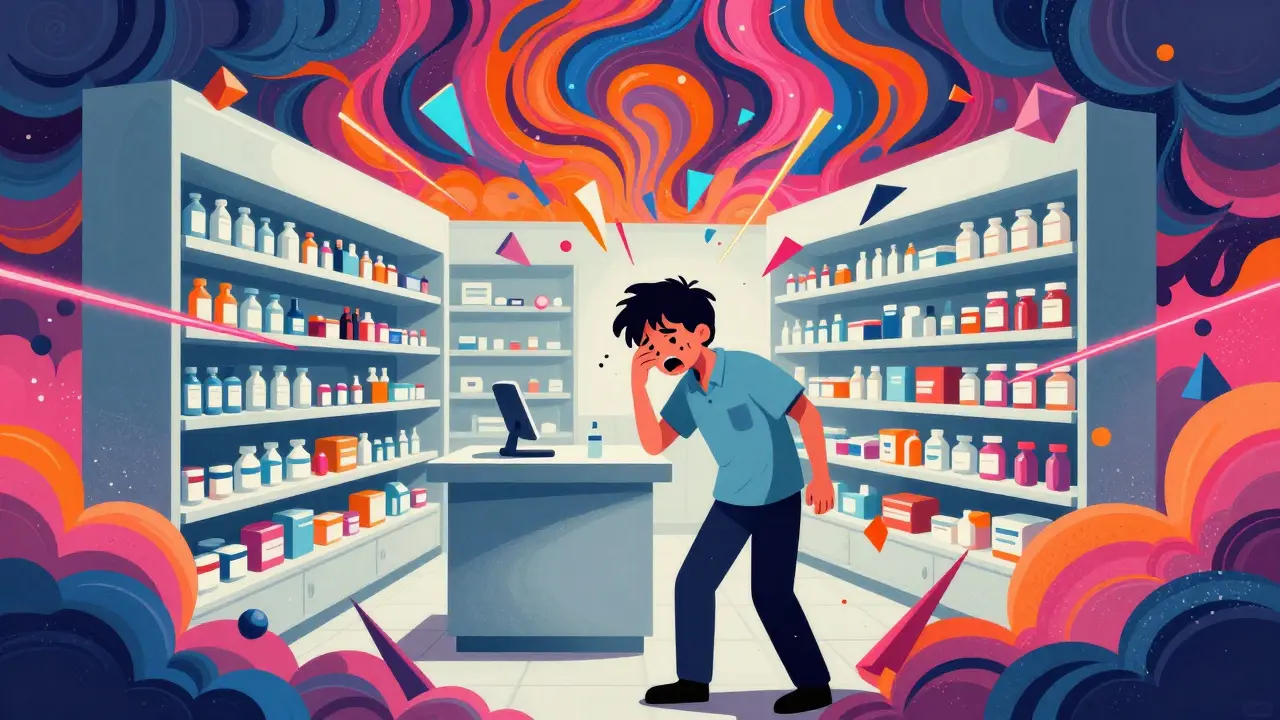
Imagine you are a diabetic patient who relies on insulin to survive. One day, the pharmacy is empty. The shelves are bare. This isn't just a bad shopping trip; it is a life-threatening crisis caused by a hurricane thousands of miles away. It sounds like a scene from a disaster movie, but this is the new reality for millions of people in the United States. Natural disasters are no longer just weather events; they are direct threats to our health system.
We often think of drug shortages as economic issues-companies not making enough profit to produce generic drugs. While that is part of the story, a much bigger force is at work today. Climate-related risks are tearing holes in the pharmaceutical supply chain, which is the complex network of facilities, logistics, and regulations that bring medicines from factories to patients. From Hurricane Maria in Puerto Rico to Hurricane Helene in North Carolina, extreme weather has proven that our medicine supply is fragile. If you have ever wondered why your prescription was delayed or why a hospital postponed surgery, the answer might be hiding in the weather forecast.
The Hidden Fragility of Our Medicine Supply
To understand why a storm causes a shortage, we need to look at how medicines are made. The industry relies on a model called "just-in-time" manufacturing. This means companies keep very little inventory on hand to save money. They make what they need, when they need it. In normal times, this works perfectly. But when a disaster hits, there is no buffer. There is no backup stockpile sitting in a warehouse waiting to be shipped.
The problem is compounded by where these factories are located. We have concentrated our production in specific geographic areas that are highly vulnerable to climate disasters. Take Puerto Rico, for example. Before Hurricane Maria struck in September 2017, the island housed about 55 FDA-approved drug manufacturing facilities. These plants produced roughly 10% of all FDA-approved drugs in the U.S. and a staggering 40% of sterile injectables. When Maria destroyed the electrical grid, it didn't just knock out lights; it knocked out the ability to make insulin, saline solutions, and cancer treatments. The power took 11 months to fully restore, and insulin shortages lasted for 18 months.
This concentration risk is not unique to Puerto Rico. Western North Carolina is another critical hotspot. Marion, North Carolina, is home to a major facility operated by Baxter International, a global medical supplies company known for producing intravenous fluids and other essential hospital equipment. This single plant produces about 1.5 million bags of IV fluids every day, representing nearly 60% of the U.S. supply. When Hurricane Helene hit in September 2024, it damaged this facility. Within 72 hours, hospitals across the country faced severe IV fluid shortages. Doctors had to postpone elective surgeries and implement crisis protocols because they simply did not have the basic fluids needed to keep patients hydrated during procedures.
| Disaster Event | Location Affected | Key Medicines Impacted | Duration of Shortage |
|---|---|---|---|
| Hurricane Maria (2017) | Puerto Rico | Insulin, Saline, Sterile Injectables | 12-18 months |
| Hurricane Helene (2024) | North Carolina | Intravenous (IV) Fluids | Projected until mid-2025 |
| Tornado (2023) | Rocky Mount, NC | 27 Specific Pfizer Medicines | Until mid-2024 |
| Flooding (2022) | Sturgis, Michigan | Infant Formula | Extended existing shortage by 8 weeks |
Why Hurricanes Are the Biggest Threat
Not all natural disasters affect the drug supply equally. Data from the Health Resources and Services Administration (HRSA) shows that hurricanes account for 47% of climate-related disruptions in the pharmaceutical sector. Wildfires come in second at 28%, followed by floods at 19%. Droughts and extreme heat make up the remaining 6%.
Hurricanes are particularly devastating because they cause widespread infrastructure damage. They don't just break one machine; they destroy roads, ports, and power grids. This creates a cascading effect. Even if a factory building survives the wind, it cannot operate without electricity or the ability to ship raw materials in and finished products out. For instance, research published in JAMA revealed that over 65% of all pharmaceutical-producing facilities in the U.S. are located in counties that experienced at least one weather disaster declaration between 2018 and 2023. That means more than half of our medicine-making capacity sits in danger zones.
The type of medicine affected also matters. Generic sterile injectable drugs are especially vulnerable. These are older, less profitable medications like saline solution or certain antibiotics. Because they are cheap to buy but expensive to manufacture with high safety standards, companies often consolidate production into just one or two facilities nationwide. A survey by the American Society of Health-System Pharmacists found that 78% of sterile injectable drugs have only one or two manufacturing sites in the entire U.S. If a disaster hits that single site, there is nowhere else to turn. Unlike brand-name drugs, which might have multiple global suppliers, generics often lack this redundancy.
The Human Cost: More Than Just Empty Shelves
When we talk about supply chains, it is easy to get lost in logistics and percentages. But behind every shortage is a patient. For cancer patients, delays in treatment can mean the difference between remission and progression. Dr. Ana Maria Lopez from the American Cancer Society noted that drug shortages following weather disasters show our supply chain is not resilient enough. Older generic cancer drugs are frequently in chronic shortage due to a mix of economic factors and natural disasters.
Hospitals are forced to make difficult ethical decisions. During the saline shortage after Hurricane Maria, hospitals had to ration supplies. They prioritized critical patients while delaying non-essential treatments. Staff spent countless hours looking for alternative sources, calling distributors, and even extending the use-by dates of existing stock-a process that requires 12-24 hours of pharmacy staff time per product. This strains already limited resources during a time when healthcare workers are busiest.
For patients with chronic conditions like diabetes or heart disease, the impact is daily and personal. Missing doses of insulin or blood pressure medication can lead to emergency room visits, hospitalizations, or worse. The anxiety of not knowing if your next refill will be available adds a significant mental burden to managing a serious illness. This is why experts argue that pharmaceutical supply chain resilience must become a national security priority.
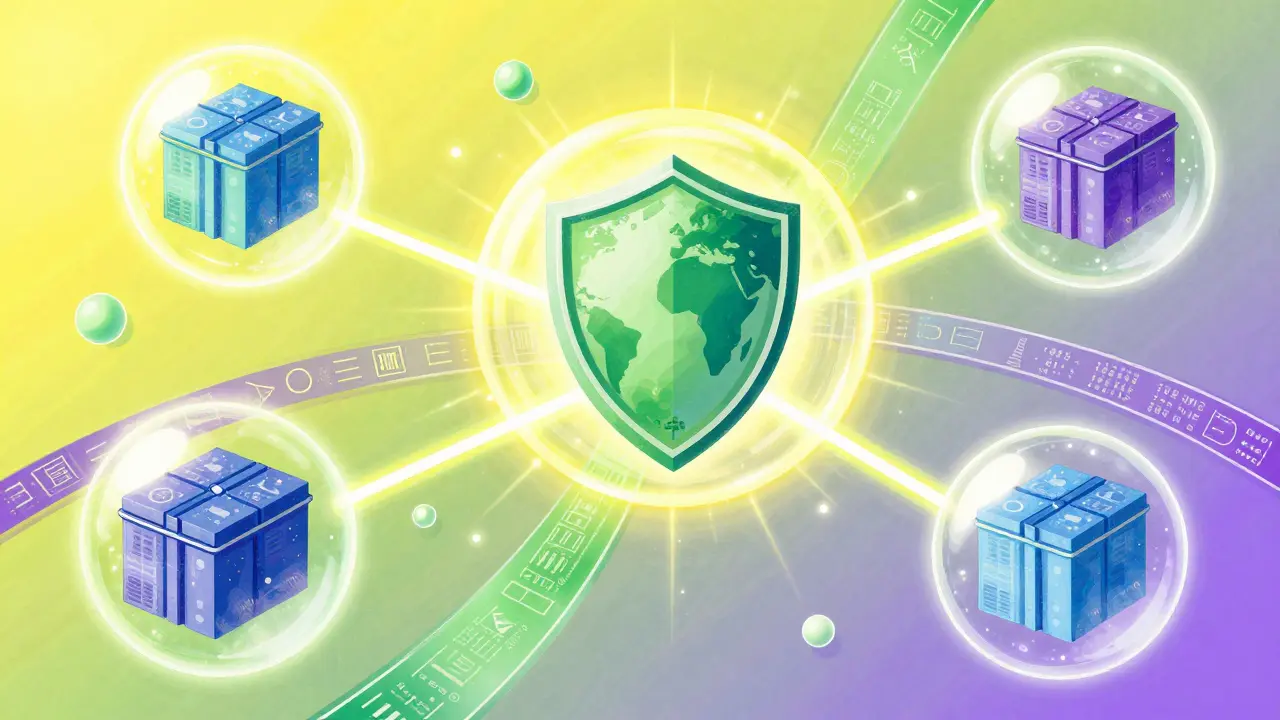
Building a Resilient Future: Solutions and Strategies
So, what can be done? Experts agree that the current "just-in-time" model is incompatible with climate reality. We need a shift toward strategic reserves and diversified manufacturing. Here are some key strategies emerging from recent disaster responses:
- Strategic Stockpiling: The Strategic National Stockpile has launched pilot programs for critical injectables in hurricane-prone regions. Early data suggests this reduced shortage duration by 40% during Hurricane Helene compared to Hurricane Maria. Having physical reserves in geographically dispersed locations provides a crucial buffer.
- AI and Predictive Analytics: Technology is playing a bigger role. Companies like Sensos use AI to analyze weather patterns and predict their impact on supply chains. During Hurricane Helene, this technology predicted the impact on IV fluid supply 14 days in advance, allowing some hospitals to secure 30-day emergency stocks before the storm hit.
- Regulatory Flexibility: The FDA has established emergency declaration pathways to allow temporary importation of drugs from overseas manufacturers during crises. However, the process still takes too long-about 28 days in the case of the 2018 saline shortage. Faster approval mechanisms for alternative manufacturing sites are needed.
- Supply Chain Mapping: Hospitals and health systems are investing in mapping their Tier 1-3 suppliers. This means knowing not just who makes the drug, but who makes the ingredients and who ships them. Mayo Clinic, an early adopter, reduced its shortage response time by 65% after implementing comprehensive mapping.
On the regulatory front, the FDA proposed a rule in 2024 requiring manufacturers of critical drugs to maintain 90-day emergency inventories and submit climate risk mitigation plans. While this may increase production costs by 4-7%, it could prevent up to 60% of climate-related shortages. Additionally, the Strengthening America's Supply Chain Act passed in 2022 mandates that the FDA develop climate risk assessment frameworks by 2025.
What You Can Do as a Patient
While systemic changes take time, there are steps you can take to protect yourself. First, communicate openly with your doctor and pharmacist. If you rely on a critical medication, ask if there are therapeutic alternatives that are manufactured in different locations. Sometimes, switching to a slightly different version of the same drug class can ensure continuity of care.
Second, stay informed. Follow alerts from the FDA’s Drug Shortages database. Knowing a shortage is coming gives you time to plan. If you live in an area prone to hurricanes or floods, consider keeping a larger supply of your essential medications at home, within the limits allowed by your insurance and storage guidelines. Ask your pharmacist about the stability of your medications and how long they can be stored safely.
Finally, advocate for change. Support policies that encourage domestic manufacturing and supply chain diversification. Contact your representatives to emphasize the importance of treating pharmaceutical resilience as a public health priority. The more voices demanding action, the faster the system will adapt.
Why do natural disasters cause drug shortages?
Natural disasters disrupt the pharmaceutical supply chain by damaging manufacturing facilities, destroying infrastructure like power grids and roads, and halting transportation. Because many drugs are produced in only one or two facilities nationwide, a disaster in that specific location can cut off the entire supply. Additionally, the "just-in-time" inventory model means there is little extra stock to draw from when production stops.
Which types of medicines are most at risk during climate disasters?
Generic sterile injectable drugs, such as saline solutions, insulin, and certain antibiotics, are most at risk. These medications are often less profitable, leading companies to consolidate production into fewer facilities. Over 78% of sterile injectable drugs have only one or two manufacturing sites in the U.S., creating single points of failure. Critical drugs for cancer and chronic conditions like diabetes are also frequently impacted.
How long do drug shortages last after a hurricane?
The duration varies depending on the severity of the damage and the complexity of the drug. Hurricane Maria caused insulin shortages that lasted 18 months due to prolonged power grid failures. Hurricane Helene created IV fluid shortages within 72 hours, with projections indicating constraints would persist until mid-2025. Generally, restoring full production can take 6-12 months if new facilities need to be brought online or equipment replaced.
Is the U.S. government doing anything to fix this problem?
Yes, several measures are being implemented. The FDA has proposed rules requiring manufacturers of critical drugs to maintain 90-day emergency inventories and submit climate risk plans. The Strategic National Stockpile is piloting programs to store critical injectables in hurricane-prone regions. Legislation like the Strengthening America's Supply Chain Act mandates climate risk assessments. However, experts argue that more aggressive action is needed to fully address the growing threat.
Can I stockpile my own medicine in case of a shortage?
You should consult your doctor and pharmacist before stockpiling. Some medications have strict storage requirements or expiration dates that make long-term home storage unsafe. However, for stable, essential medications, keeping a small extra supply (within legal and insurance limits) can provide peace of mind. Always check with your healthcare provider for advice tailored to your specific condition and medications.