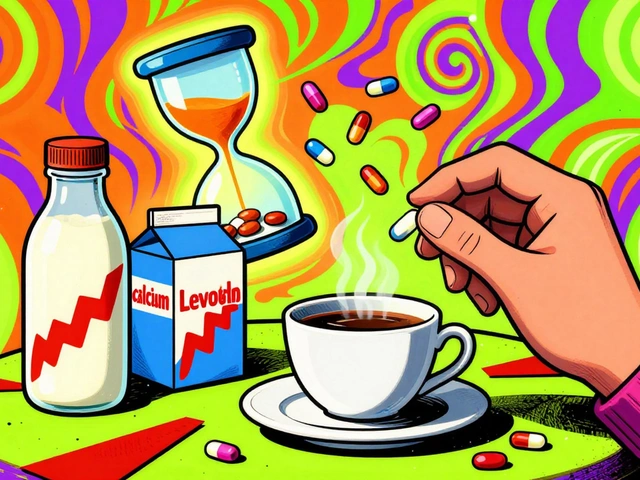
Leaving the hospital is a relief, but it often marks the beginning of a dangerous gap in care. You are handed a stack of papers and sent home with a new list of pills, hoping everything lines up. It rarely does. According to data from the Agency for Healthcare Research and Quality (AHRQ), nearly half of all patients experience at least one error during this transition. These aren't just minor mix-ups; they include missed doses, duplicate prescriptions, and potentially fatal drug interactions.
The process meant to prevent these errors is called Medication Reconciliation. It is defined by the National Coordinating Council for Medication Error Reporting and Prevention as the formal comparison of a patient's current medication orders against all medications they have been taking previously. The goal is simple: avoid omissions, duplications, dosing errors, and interactions. Yet, despite being a National Patient Safety Goal since 2006, compliance remains spotty. Only about 65% of hospitals fully comply with discharge-specific reconciliation requirements, leaving millions vulnerable.
Why Medication Reconciliation Fails at Discharge
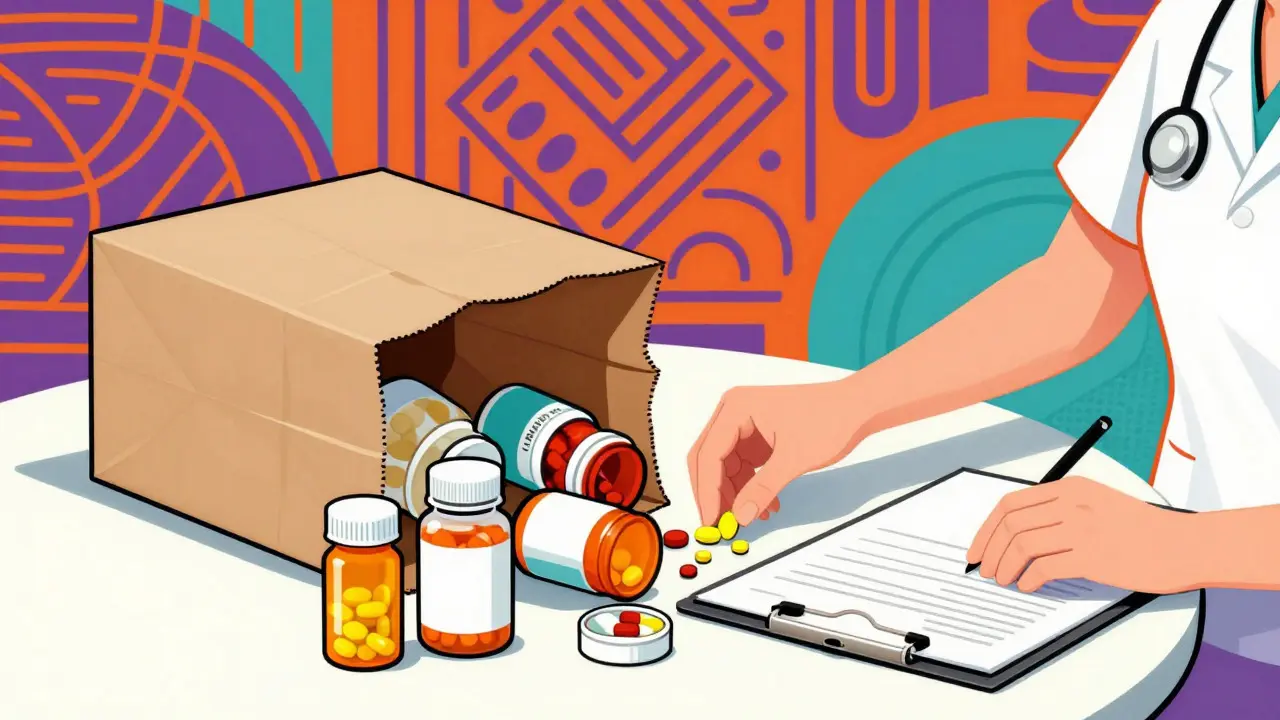
You might assume that because you were in the hospital, your doctors know exactly what you take. They don’t. The biggest hurdle is the "brown bag" problem. When you arrive at the emergency room or admit ward, nurses often rely on your memory or incomplete pharmacy records. Dr. David Bates from Harvard Medical School notes that incomplete gathering of home medications contributes to 68% of discharge errors. If the baseline list is wrong, the final list will be wrong.
Once you are admitted, your regimen changes. Blood pressure meds might be held because your blood pressure dropped. Antibiotics are added. Painkillers replace your usual arthritis pills. The danger lies in the handoff. A study published in the Annals of Internal Medicine found that 18.7% of medication changes made during hospitalization are unintentionally continued after discharge. For example, if you stopped taking warfarin (a blood thinner) before surgery, but the discharge nurse forgets to restart it, you risk a pulmonary embolism. This specific failure causes 3.2% of preventable readmissions.
Time is also an enemy. The American Society of Health-System Pharmacists (ASHP) states that effective reconciliation requires 15 to 20 minutes per patient. However, AHRQ time-motion studies show the average time allocated is only 7.3 minutes. In rushed environments, nuance gets lost. ICU stays increase the risk of medication discontinuation by 2.3 times, according to Legacy Health’s toolkit, simply because the complexity of care overwhelms the brief window available for review.
The Hidden Risks: Supplements and OTC Drugs
We tend to think of "medications" as only the white bottles from the pharmacy. But the National Council of Quality Assurance (NCQA) reports that 82% of U.S. adults take at least one non-prescription substance, including vitamins, herbal supplements, and over-the-counter (OTC) pain relievers. Nearly 29% of adults take five or more medications daily. This creates a minefield for interactions.
Consider St. John’s Wort, a common herbal supplement for mood. It interacts dangerously with many prescription drugs, including antidepressants and birth control, by speeding up their metabolism in the liver. Or consider ibuprofen, which many patients continue taking for chronic pain. If discharged on blood thinners like apixaban or rivaroxaban, continuing ibuprofen significantly increases bleeding risk. Patients often forget to mention these substances because they feel "natural" or harmless. To the pharmacist reconciling your list, however, every substance counts.
Step-by-Step Guide to Personal Medication Reconciliation
Since systems fail, you must become your own safety net. Here is how to perform your own reconciliation before you leave the hospital and immediately after.
- Create a Master List Before Admission: Do not wait until you are sick. Keep a printed list of every prescription, OTC drug, vitamin, and supplement you take. Include the dose, frequency, and the reason you take it. Update this list every time a doctor changes something.
- Verify the "Brown Bag": Bring physical bottles of your medications to the hospital if possible. Visual confirmation prevents errors caused by misremembered names or dosages. Show them to the admitting nurse and the discharging pharmacist.
- Ask Specific Questions at Discharge: Don't just nod when given instructions. Ask: "Which of my old medicines am I stopping?" and "Which new ones am I starting?" Write down the answers. If a medication was held during your stay (like a statin or blood pressure med), explicitly ask: "When do I restart this?"
- Compare Lists Immediately: Once home, sit down with your discharge summary and your master list. Highlight any differences. If a medication is missing from the discharge list that you usually take, call your primary care provider (PCP) or pharmacist within 24 hours.
- Schedule a Follow-Up Within 7 Days: The Transitional Care Management (TCM) codes 99495 and 99496 allow doctors to bill for complex post-discharge visits. Ensure your PCP sees you within 7 to 14 days. This visit should include a full medication review. Studies show pharmacist-led follow-up calls can reduce 30-day readmissions by nearly 15%.
Understanding Drug Interactions Post-Discharge
A drug interaction occurs when one substance changes the effect of another. This isn't always obvious. Some interactions cause immediate side effects like dizziness or nausea. Others are silent, slowly reducing the effectiveness of critical treatments.
| Drug Class A | Drug Class B | Potential Interaction Outcome |
|---|---|---|
| Anticoagulants (e.g., Warfarin) | NSAIDs (e.g., Ibuprofen, Naproxen) | Increased risk of internal bleeding and gastrointestinal ulcers |
| Statins (e.g., Atorvastatin) | Macrolide Antibiotics (e.g., Clarithromycin) | Rhabdomyolysis (severe muscle breakdown leading to kidney damage) |
| Beta-Blockers (e.g., Metoprolol) | Calcium Channel Blockers (e.g., Diltiazem) | Severe bradycardia (dangerously slow heart rate) and hypotension |
| SSRIs (e.g., Sertraline) | Triptans (for migraines) | Serotonin syndrome (agitation, high fever, rapid heart rate) |
These examples illustrate why a holistic view is necessary. A cardiologist might prescribe a beta-blocker without knowing your neurologist prescribed a calcium channel blocker for tremors. The combination could drop your heart rate too low. This is why sharing your complete list across specialties is vital.
Leveraging Technology and Professional Help
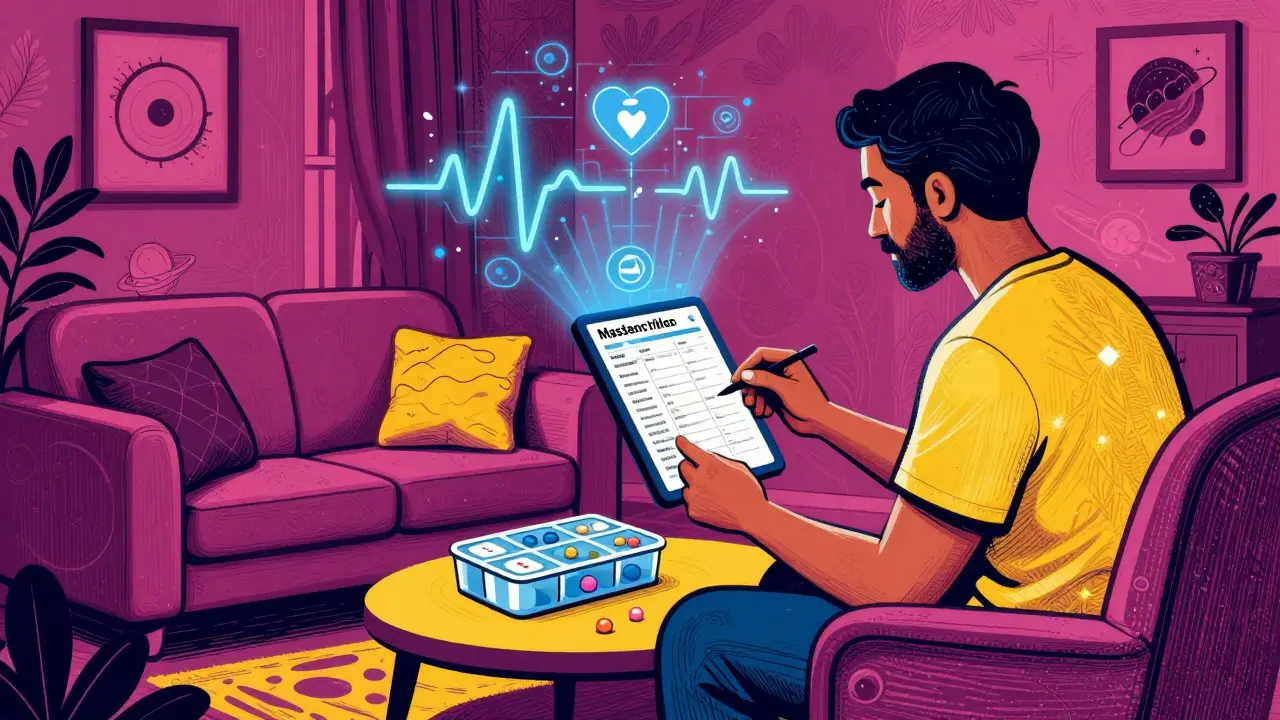
Hospitals are increasingly using technology to bridge these gaps. The 2023 CMS Interoperability and Patient Access Rule mandates that hospitals share structured discharge medication data via FHIR APIs with outpatient providers within 24 hours. This means your primary care doctor should theoretically receive your updated list digitally almost immediately. However, not all systems talk to each other perfectly yet.
Pharmacists are your best allies here. PipelineRx, a telepharmacy service, reported a 92% discrepancy detection rate in their clinical model. If your hospital offers a discharge pharmacist consult, take it. If not, take your discharge papers to your local community pharmacist. They have access to databases that flag interactions automatically. Many pharmacies offer free "medication therapy management" (MTM) services, especially for Medicare beneficiaries, where a pharmacist reviews your entire regimen for cost-saving opportunities and safety issues.
For those managing multiple conditions, consider using a pill organizer labeled by day and time. This physical act of sorting forces you to confront discrepancies. If you have two pills for the same condition but different strengths, you’ll notice. If you’re missing a slot for your morning blood pressure med, you’ll see it.
Red Flags That Require Immediate Action
After discharge, monitor yourself closely. Certain symptoms indicate a reconciliation failure or a new interaction:
- Unexplained Dizziness or Fainting: Could indicate overlapping blood pressure medications causing hypotension.
- Excessive Bleeding or Bruising: May signal an interaction between anticoagulants and anti-inflammatories.
- Muscle Pain or Weakness: Especially dark urine, which suggests rhabdomyolysis from statin-antibiotic interactions.
- Confusion or Agitation: Common in elderly patients experiencing serotonin syndrome or anticholinergic burden from combining certain sedatives and antidepressants.
- Return of Original Symptoms: If your chest pain or shortness of breath returns, it may mean a critical maintenance medication was omitted.
If you experience any of these, do not wait for your scheduled follow-up. Call your provider or go to urgent care. Have your medication list ready.
What is the difference between medication reconciliation and a medication review?
Medication reconciliation is a specific administrative and clinical process focused on accuracy during transitions of care, such as hospital admission or discharge. It ensures the list matches reality. A medication review is a broader therapeutic assessment where a clinician evaluates whether each medication is still necessary, effective, and safe for your long-term health goals. Reconciliation prevents errors; optimization improves outcomes.
How soon after hospital discharge should I see my primary care doctor?
Ideally, within 7 days. For patients with complex conditions or multiple medications, seeing a provider within 7 days reduces readmission rates significantly. The Centers for Medicare & Medicaid Services (CMS) supports this through Transitional Care Management (TCM) billing codes, which require contact within 7 days and a face-to-face visit within 14 days for high-complexity cases.
Do herbal supplements count as medications for reconciliation?
Yes, absolutely. Herbal supplements like St. John’s Wort, Ginkgo Biloba, and Garlic extract can have potent pharmacological effects and interact with prescription drugs. For instance, Ginkgo Biloba can increase bleeding risk when taken with aspirin or warfarin. Always disclose all supplements to your healthcare team.
What should I do if I find a mistake in my discharge medication list?
Contact the hospital’s discharge planning department or your primary care provider immediately. Do not start or stop medications based on your suspicion alone without professional guidance, unless instructed otherwise. Provide the correct information so they can update your electronic health record (EHR) to prevent future errors.
Can pharmacists help with medication reconciliation after I leave the hospital?
Yes. Community pharmacists are accessible medication experts. Many offer post-discharge counseling services. They can cross-reference your discharge list with your historical pharmacy data to identify missing refills, duplicates, or interactions. Telepharmacy services are also expanding to provide remote reconciliation support.
Why is the "brown bag" method recommended?
The "brown bag" method involves bringing all your actual medication containers to the hospital. This eliminates reliance on patient memory, which is often flawed due to stress or cognitive impairment. Visual verification allows staff to check exact dosages, generic vs. brand names, and expiration dates, drastically reducing the error rate associated with self-reported lists.
What are Transitional Care Management (TCM) codes?
TCM codes (99495, 99496, 99487, etc.) are billing codes used by physicians for comprehensive care coordination after a hospital stay. They cover services like medication reconciliation, patient education, and follow-up visits. Using these codes ensures that providers are compensated for the extra time spent managing your transition, encouraging thorough post-discharge care.