Every day, pharmacists make decisions that can mean the difference between a patient getting better-or getting hurt. One of the most common, yet most risky, choices is whether to substitute a brand-name drug with a generic version. It’s not just about saving money. It’s about legal exposure. And in many states, pharmacists are caught in a legal gray zone where the system is designed to cut costs, but doesn’t protect them when things go wrong.
Why Generic Substitution Isn’t as Simple as It Looks
Generic drugs are cheaper-no doubt about it. In the U.S., 90% of prescriptions filled are generics, and they account for just 15% of total drug spending. That’s a $1.67 trillion savings over the last decade. But behind those numbers is a hidden problem: not all generics are created equal in practice. The FDA says generics must be bioequivalent to brand-name drugs. That means they deliver the same active ingredient at the same rate and amount. Sounds solid, right? But bioequivalence doesn’t guarantee therapeutic equivalence. For drugs with a narrow therapeutic index-like levothyroxine, warfarin, or antiepileptics-the difference between an effective dose and a toxic one is razor-thin. A 2017 study in Epilepsy & Behavior found that 18.3% of patients experienced therapeutic failure after switching to a generic antiepileptic drug. That’s not a rare event. That’s a pattern. And here’s the kicker: when a patient has a bad reaction, they can’t sue the generic manufacturer. The 2011 Supreme Court case PLIVA v. Mensing ruled that federal law blocks state lawsuits against generic makers for failing to update warning labels. Why? Because generic manufacturers are legally required to copy the brand-name label. They can’t change it, even if new safety data emerges. So if a patient gets hurt, there’s no one legally accountable. The pharmacist? The doctor? The patient? Everyone’s left guessing who’s at fault.State Laws Vary-And So Does Your Risk
There’s no national standard for how pharmacists handle generic substitution. Instead, each of the 50 states-and Washington, D.C.-has its own rules. That means your liability depends entirely on where you work. Some states, like California and Texas, protect pharmacists. If you follow the law, you’re shielded from greater liability than if you’d dispensed the brand-name drug. Other states? Not so much. Connecticut, for example, has no such protection. In fact, state law there suggests pharmacists could face more liability for substituting. Here’s how the rules break down:- Duty to substitute: 27 states require substitution if allowed. 23 allow it but don’t require it.
- Notification: Only 18 states require you to tell the patient directly-beyond just the label.
- Consent: 32 states let patients refuse substitution. The rest? No clear right to say no.
- Liability protection: 27 states shield pharmacists. 23 don’t. That’s nearly half of all pharmacists working without legal backup.
The Real Danger Zone: Narrow Therapeutic Index Drugs
You can substitute a statin or metformin with near-zero risk. But when it comes to drugs like levothyroxine, warfarin, or phenytoin, the stakes are life-or-death. A 2020 JAMA Internal Medicine study showed patients on generic levothyroxine had significantly more fluctuations in thyroid hormone levels-even when bioequivalence standards were met. One patient in a Reddit thread described going from feeling fine to exhausted, depressed, and gaining 20 pounds after a switch. She didn’t know she’d been switched until her doctor asked why her TSH levels were off. The Patient Advocacy Foundation found 41% of patients were unaware their prescription had been substituted until they felt side effects. That’s not just poor communication. That’s a failure of informed consent. And here’s what most pharmacists don’t realize: even if your state allows substitution, you’re not protected if you don’t document properly. If a patient has a seizure after switching antiepileptic drugs, and you can’t prove you checked their history, asked if they’d had issues before, or documented consent-you’re on the hook.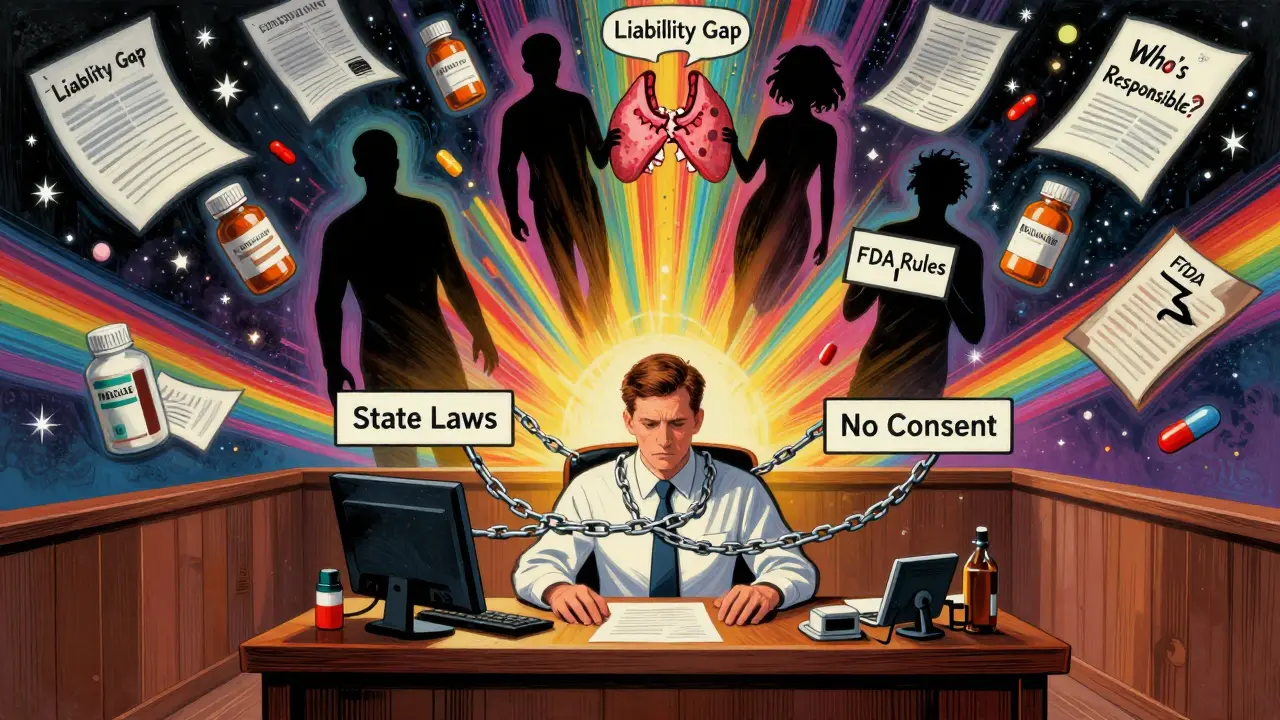
How to Reduce Your Risk: 7 Practical Steps
You can’t control federal law. But you can control how you practice. Here’s what works:- Know your state’s law-inside and out. Rules change. The National Association of Boards of Pharmacy updates its compendium annually. Bookmark it. Review it every January.
- Use EHR alerts. Set up your electronic health record to flag narrow therapeutic index drugs. If the script is for levothyroxine, warfarin, or phenytoin, the system should pop up a warning: “Check for prior substitution history.”
- Get written consent. Use a simple one-page form. State the drug, the brand name, the generic, and ask the patient to initial that they understand and agree. Keep a copy. Don’t rely on verbal consent.
- Talk to prescribers. If a patient has had issues before, call the doctor. Ask: “Have they had problems switching?” Many prescribers don’t realize substitution happened until the patient comes back with symptoms.
- Log every substitution. Record the brand name, generic name, lot number, and date. If a problem arises later, you can trace it. This isn’t optional. It’s your defense.
- Use the 27-point risk assessment. The 2021 Journal of the American Pharmacists Association published a checklist. It covers everything from patient counseling to documentation standards. Use it monthly.
- Get supplemental malpractice coverage. Standard liability insurance doesn’t always cover substitution-related claims. Look for policies that specifically include “generic substitution liability.” Premiums are low-often under $300/year-but the protection? Priceless.
What’s Changing? The Future Is Coming
In 2023, 11 states introduced the Generic Drug Safety Act. It proposes a shared liability system: if a new safety warning emerges, brand-name manufacturers must update their label within 30 days. Generic makers must adopt it within 60. No more lag. No more legal loophole. The FDA is testing a pilot program for label changes. So far, 217 requests have been processed. But only 12% came from generic manufacturers. They’re still hesitant. Why? Because changing labels could trigger lawsuits or force price increases. Meanwhile, biosimilars are entering the scene. Over 45 states now have laws for biologic substitution. But those laws are just as messy as the ones for small-molecule generics. The same liability gaps are already showing up. The consensus? The current system is unsustainable. It saves money, but at the cost of patient safety and pharmacist peace of mind.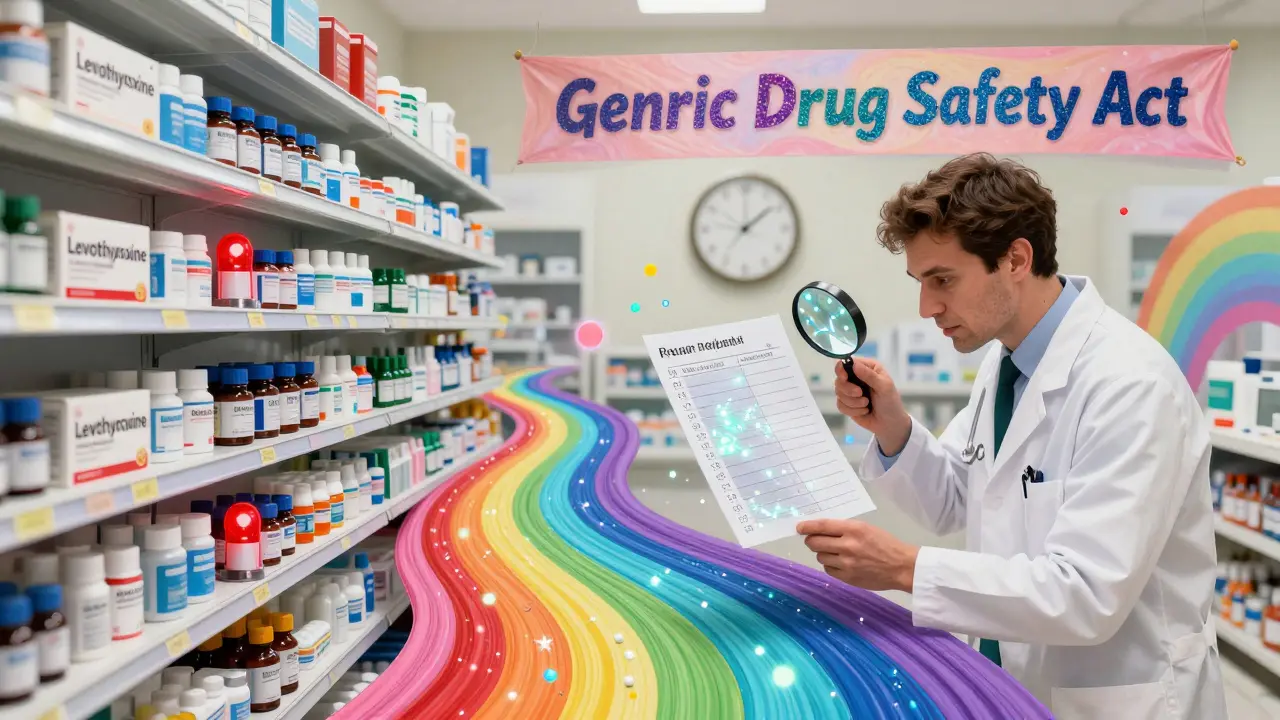
What Patients Are Saying
GoodRx users love generics. 82% say they’re happy with the cost savings. For lisinopril or metformin? No problem. But for thyroid or seizure meds? The story flips. On Reddit’s r/pharmacy, a 2022 thread with over 4,100 upvotes had 68% of users reporting adverse effects after switching generics. One wrote: “I was stable on brand for 10 years. Switched to generic. My heart started racing. I couldn’t sleep. Took 3 months to get back to normal. No one warned me.” Pharmacists themselves are scared. A 2022 survey on Pharmacy Times forums showed 74% of respondents had refused a substitution-even when legal-because they were afraid of liability. That’s not overcaution. That’s experience.The Bottom Line
Generic substitution isn’t going away. It’s too important to the system. But the current legal structure is broken. Pharmacists are left holding the bag when things go wrong. You can’t change federal law. But you can protect yourself. Know your state. Document everything. Educate your patients. Flag the high-risk drugs. Get the right insurance. Because in pharmacy, liability isn’t about being perfect. It’s about being prepared.Can a pharmacist be sued for substituting a generic drug?
Yes, but only under certain conditions. Federal law protects generic manufacturers from lawsuits over labeling, but pharmacists can still face liability if they violate state substitution laws-such as failing to notify the patient, substituting without consent, or ignoring known risks with narrow therapeutic index drugs. Liability depends on state law, documentation, and whether the pharmacist followed professional standards.
Which drugs are most risky to substitute?
Drugs with a narrow therapeutic index carry the highest risk. These include levothyroxine (for thyroid), warfarin (blood thinner), phenytoin, carbamazepine, and valproate (for seizures), digoxin (heart medication), and lithium (for bipolar disorder). Small changes in blood levels can lead to toxicity or treatment failure. Studies show up to 18% of patients on generic antiepileptics experience breakthrough seizures after substitution.
Do I need patient consent to substitute a generic?
In 32 states, patients have the legal right to refuse substitution. Even in states where substitution is mandatory, you must still inform the patient. Best practice? Always get written consent for any substitution, especially for high-risk drugs. Verbal consent isn’t enough for legal protection. Document everything.
What if my state doesn’t require notification?
Just because your state doesn’t require it doesn’t mean you shouldn’t do it. Patients who don’t know they’ve been switched are more likely to report side effects as “new problems” and may not connect them to the drug change. This increases the risk of misdiagnosis and malpractice claims. Proactively notifying patients builds trust and reduces liability.
Is my malpractice insurance enough to cover substitution claims?
Many standard policies do not cover substitution-related claims, especially those tied to labeling or bioequivalence disputes. You need supplemental coverage that explicitly includes “generic drug substitution liability.” Premiums are low, but the protection is critical. Check your policy wording or consult your insurer.
How do I find out my state’s substitution laws?
The National Association of Boards of Pharmacy (NABP) publishes the Compendium of State Pharmacy Laws, updated annually. It’s the most reliable source. Many state pharmacy boards also post summaries on their websites. Bookmark it. Review it every January. Laws change more often than most pharmacists realize.
Can I refuse to substitute even if my state allows it?
Yes. Pharmacists have the professional right to refuse substitution if they believe it poses a risk to patient safety. This is especially true for narrow therapeutic index drugs. Document your reasoning in the patient’s record. Many pharmacists do this-74% of those surveyed in 2022 reported refusing substitutions due to liability concerns.
What’s the future of generic substitution liability?
The current system is under pressure. Proposed laws like the Generic Drug Safety Act aim to close the liability gap by requiring generic manufacturers to update labels when new safety data emerges. Some states are piloting a “consensus labeling” model where all manufacturers adopt the same label. These changes could reduce risk for pharmacists-but until then, the responsibility falls on you to practice defensively.


winnipeg whitegloves
March 23, 2026 AT 01:49Man, I’ve seen this play out in my pharmacy in Winnipeg. A guy comes in for his levothyroxine, gets the generic, and two weeks later he’s back saying he feels like a zombie. We didn’t even know he’d switched-no documentation, no flag. Now I do a little hand-written note on the script: ‘Brand or generic? You pick.’ It’s not required, but it’s peace of mind. And honestly? Patients appreciate being asked. They feel like adults, not just a number on a claim.
Caroline Bonner
March 24, 2026 AT 22:33Oh my goodness, this post is so vital-I’m literally crying because I’ve been screaming into the void about this for years! Pharmacists are the last line of defense, and yet we’re the ones getting blamed when things go sideways! I had a patient on warfarin who switched generics, got an INR of 8.2, ended up in the ER with a subdural hemorrhage-guess who got the call from the lawyer? ME. No warning from the manufacturer, no documentation from the prescriber, and my state? No liability protection. I had to take out a second mortgage just to cover legal fees. PLEASE, if you’re reading this: get the supplemental insurance. Get the written consent. Flag every single narrow therapeutic index drug. Don’t wait until someone’s brain is bleeding to start caring.
Donna Fogelsong
March 26, 2026 AT 16:45Sean Bechtelheimer
March 27, 2026 AT 22:01Seth Eugenne
March 29, 2026 AT 01:00Thank you for writing this. I’ve been doing the 7 steps for a year now, and I can tell you-it works. I’ve had zero claims. Zero. The EHR alerts alone changed everything. And yes, I use the one-page consent form. Patients think I’m overdoing it… until they realize I’m the one who stopped them from getting hospitalized. I’m not trying to be a hero. I’m trying to not be sued. Simple as that. Keep doing the work. You’re not alone.
rebecca klady
March 30, 2026 AT 09:28Namrata Goyal
March 31, 2026 AT 04:03Alex Arcilla
March 31, 2026 AT 06:53So let me get this straight-pharmacists are expected to be doctors, lawyers, and therapists all at once, but the system gives them zero backup? Bro. We need a union. Or at least a petition. I work in a rural clinic. I’ve had patients cry because they lost their job over a thyroid issue they didn’t even know was linked to a pill switch. This isn’t pharmacy. This is survival.
Brandon Shatley
April 1, 2026 AT 16:07Jefferson Moratin
April 2, 2026 AT 01:51The fundamental issue here is not pharmacists’ liability-it is the erosion of accountability in pharmaceutical regulation. When manufacturers are legally shielded from consequence, and when substitution becomes a cost-driven default rather than a clinical decision, we are no longer practicing medicine. We are operating within a system of structural negligence. The solution is not more paperwork. It is systemic reform. Until then, we are merely caretakers of a broken machine. And that, in itself, is a moral burden.