Mouth Sore Prevention & Care Planner
Select the hygiene practices you are currently following.
Your Personalized Protocol
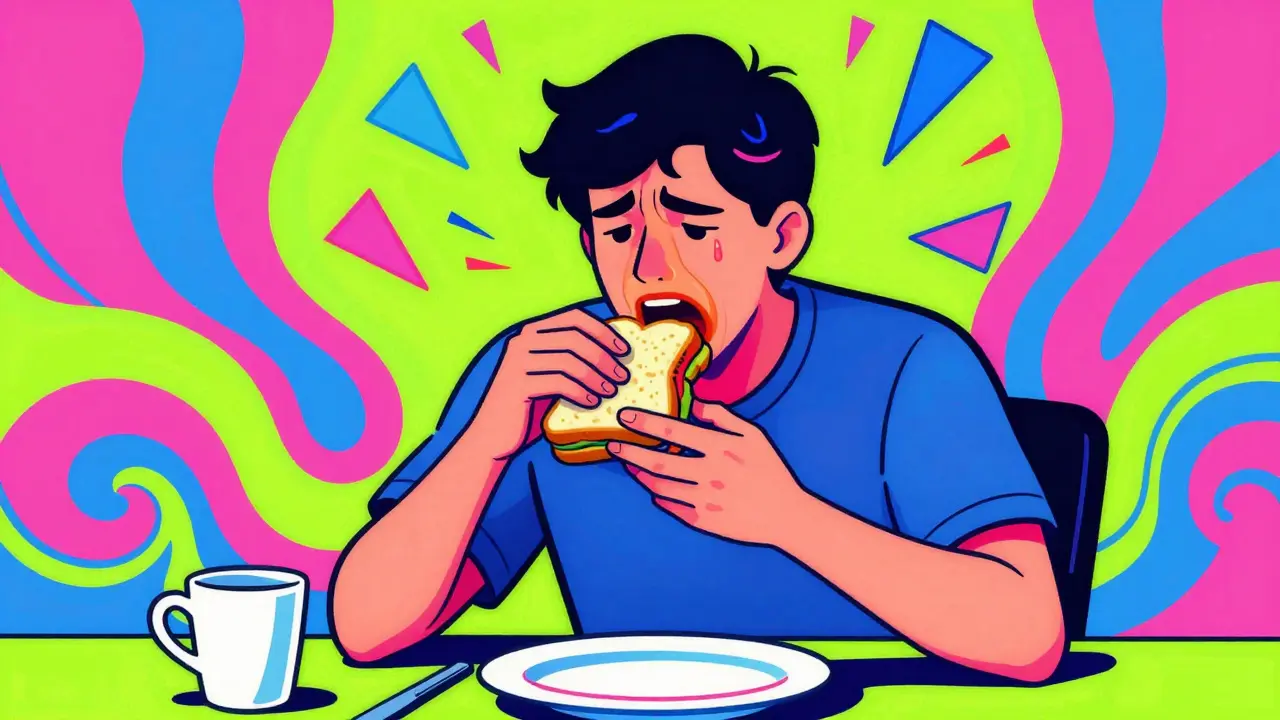
Imagine trying to eat a sandwich, but every bite feels like swallowing broken glass. For many people undergoing cancer treatment, this isn't a metaphor-it's daily life. Mouth sores, medically known as oral mucositis, a painful inflammatory condition of the mouth lining caused by damage to epithelial cells from cytotoxic agents, are one of the most common and debilitating side effects of chemotherapy and radiotherapy. You might be taking these medications for blood cancers, head and neck tumors, or other conditions, and suddenly your mouth becomes a minefield of pain.
This isn't just about discomfort. Severe cases can lead to dehydration, weight loss, and even hospitalization, costing healthcare systems thousands per patient. But here is the good news: you don't have to just suffer through it. Modern guidelines emphasize prevention over reaction. By understanding which treatments work and how to use them correctly, you can significantly reduce the severity and duration of these sores.
Why Do Medications Cause Mouth Ulcers?
To fight back effectively, you first need to understand what is happening inside your mouth. Chemotherapy drugs and radiation therapy are designed to kill fast-growing cells-specifically cancer cells. Unfortunately, they cannot distinguish between cancer cells and the healthy cells that line your mouth. These oral epithelial cells turn over rapidly, making them prime targets for collateral damage.
When these cells are damaged, an inflammatory cascade begins. The protective barrier of your mouth breaks down, exposing nerve endings and allowing bacteria to enter. This leads to the redness, swelling, and open sores we call ulcers. The severity varies wildly. Some patients experience mild irritation (Grade 1), while others develop deep, bleeding wounds that cover large areas of the tongue, cheeks, and gums (Grade 3-4). According to a 2022 review by the National Institutes of Health, incidence rates range from 20% to nearly 100%, depending on the specific treatment protocol.
The timing matters too. Symptoms usually appear within a few days to two weeks after starting treatment. If you wait until the pain is unbearable, you've missed the window for the most effective preventive measures. That is why proactive care is critical.
The Gold Standard: Preventive Strategies That Work
Not all prevention methods are created equal. Some are backed by strong clinical evidence, while others are merely habits passed down through generations without scientific proof. Let’s look at the interventions that actually change outcomes.
Cryotherapy: The Ice Chip Protocol
If you are receiving specific chemotherapies like melphalan or 5-fluorouracil (5-FU), cryotherapy, the practice of sucking on ice chips during infusion to reduce blood flow to the mouth tissues is your best friend. This simple, low-cost technique works by causing vasoconstriction-narrowing the blood vessels in your mouth-which reduces the amount of drug that reaches the oral tissues.
Here is how to do it right, because timing is everything:
- Start early: Begin sucking on ice chips 5 minutes before the chemotherapy infusion starts.
- Keep going: Continue continuously for 30 minutes after the infusion ends.
- Stay consistent: Do not stop mid-infusion. A 2021 study showed that adherence needs to be above 87% for the method to be effective.
Research indicates this can cut the risk of severe mucositis by 50%. It doesn't work for all drugs, though. If you are on continuous infusions or different agents, ask your oncologist if cryotherapy applies to your regimen.
Benzydamine Mouthwash
For patients undergoing radiotherapy, especially for head and neck cancers, benzydamine hydrochloride, an anti-inflammatory nonsteroidal agent used as a mouth rinse to prevent oral mucositis is the top recommendation. Unlike generic rinses, this has robust evidence behind it. Clinical trials show it reduces the incidence of severe mucositis by 34%.
You should start using it before treatment begins. The standard protocol involves swishing 15 mL of the 0.15% solution around your mouth for several minutes, then spitting it out. Use it three to four times a day. Crucially, use it 15 minutes before meals to avoid food interference with its absorption. Be aware that it may cause a temporary stinging sensation, but most patients find the long-term pain reduction worth it.
Palifermin for High-Risk Cases
In high-stakes scenarios, such as hematopoietic stem cell transplants, doctors may prescribe palifermin, a recombinant human keratinocyte growth factor administered intravenously to accelerate healing of oral mucosa. This powerful biologic agent stimulates the growth of new skin cells. Studies show it can drop the rate of severe mucositis from 63% to just 20%.
However, palifermin comes with caveats. It is expensive-often costing over $10,000 per course-and must be timed precisely. It requires a 24-to-48-hour gap from chemotherapy administration to prevent rapid clearance. It is typically reserved for patients where the benefit clearly outweighs the cost and complexity.

Daily Care Routine: What To Do And What To Avoid
Prevention protocols are only half the battle. Your daily hygiene routine plays a massive role in keeping sores from getting worse. Small changes in your habits can make a big difference in comfort levels.
Gentle Hygiene Is Key
Your mouth is fragile during treatment. Aggressive brushing can tear already weakened tissue. Switch to a soft-bristle toothbrush with bristles no thicker than 0.008 inches. Many patients find that children’s toothbrushes are perfect for this purpose. Brush gently two to three times a day.
Avoid toothpastes containing sodium lauryl sulfate (SLS). This foaming agent is a known irritant that can worsen existing sores. Look for SLS-free options or simply use a mild fluoride paste recommended by your dentist. After every meal, rinse with a baking soda solution (one teaspoon in eight ounces of water) to neutralize acidity and keep the mouth clean without harsh chemicals.
The Chlorhexidine Controversy
You might have been prescribed chlorhexidine gluconate mouthwash. It is widely available and cheap. However, recent guidelines have downgraded its recommendation. While it offers a modest 15% reduction in risk, it carries risks of its own, including taste disturbances and oral hyperpigmentation with long-term use. Experts now suggest it should not be relied upon as a primary preventive measure unless no other options are available.
Pain Management Tools
When sores do appear, managing pain is essential so you can eat and drink. Gelclair, a mucoadhesive oral gel containing polyvinylpyrrolidone and sodium hyaluronate that coats ulcerated tissue is highly rated by patients. It forms a protective film over the sore, providing relief for up to four hours. Apply it directly to the affected area. Note that some users dislike the "slimy" texture, but the pain relief is often immediate.
For more severe pain, dexamethasone mouthwash (0.5 mg/5 mL) can reduce pain scores significantly. Swish and spit four times daily. Always coordinate these treatments with your care team to ensure they don’t interfere with your primary cancer therapy.

Nutrition And Lifestyle Adjustments
Eating becomes a challenge when your mouth hurts. But nutrition is vital for recovery. Dehydration and malnutrition weaken your immune system, creating a vicious cycle.
Focus on soft, bland foods. Think yogurt, smoothies, mashed potatoes, and scrambled eggs. Avoid anything acidic (like citrus or tomato sauce), spicy, salty, or rough-textured (like chips or crusty bread). These will aggravate the ulcers.
Stay hydrated. Dry mouth (xerostomia) is common with radiotherapy and makes sores worse. Sip water frequently. If saliva production is low, artificial saliva products like Biotene can help maintain moisture. In some cases, doctors may prescribe pilocarpine tablets to stimulate natural saliva flow.
Supplements like glutamine have gained popularity. Some studies suggest swishing and swallowing 15 grams of glutamine dissolved in water four times a day can shorten the duration of mucositis. However, results are inconsistent across different types of cancer and treatments. Always check with your doctor before adding supplements, as they can interact with other medications.
| Intervention | Best For | Efficacy | Key Consideration |
|---|---|---|---|
| Cryotherapy (Ice Chips) | Melphalan, 5-FU infusions | 50% risk reduction | Must start 5 mins before infusion; strict timing required |
| Benzydamine Mouthwash | Radiotherapy patients | 34% risk reduction | Start before treatment; may sting initially |
| Palifermin | Stem cell transplant | Reduces severe cases from 63% to 20% | High cost (~$10k); IV administration; complex scheduling |
| Chlorhexidine | General hygiene | 15% risk reduction | Risk of taste changes; not a primary preventive agent |
| Gelclair | Pain management | Up to 4 hours relief | Topical application; texture may be unpleasant |
When To Seek Immediate Help
While you can manage mild symptoms at home, certain signs require immediate medical attention. If you experience fever over 100.4°F (38°C), significant bleeding from the mouth, inability to swallow liquids, or signs of dehydration (dark urine, dizziness), contact your care team immediately. These could indicate infection or severe complications that need professional intervention.
Regular dental check-ups before starting treatment are also crucial. A pre-treatment dental evaluation can identify and fix potential issues like cavities or gum disease that could worsen during therapy. Aim for this visit 2 to 4 weeks before your first chemo or radiation session.
How long does oral mucositis last?
The duration varies based on the treatment type and individual health. Typically, sores appear within a week of starting therapy and peak around 10-14 days. With proper care, they usually heal within 2-3 weeks after treatment ends. Early intervention with preventive strategies like cryotherapy or benzydamine can significantly shorten this timeline.
Can I use regular mouthwash for mouth sores?
Avoid alcohol-based mouthwashes as they dry out and irritate the tissue. Alcohol-free options are better, but specialized rinses like benzydamine or baking soda solutions are more effective. Chlorhexidine is an option but has limited efficacy and potential side effects. Always consult your doctor before introducing new products.
Is cryotherapy safe for everyone?
Cryotherapy is generally safe but is only effective for specific short-infusion chemotherapies like melphalan and 5-FU. It does not work for continuous infusions or other agents. Some patients discontinue due to cold sensitivity. Ask your oncologist if it is appropriate for your specific regimen.
What foods should I avoid with mouth ulcers?
Avoid acidic foods (citrus, tomatoes), spicy dishes, salty snacks, and rough textures (chips, nuts, crusty bread). Hot temperatures can also increase pain. Stick to cool, soft, bland foods like yogurt, pudding, smoothies, and mashed vegetables to minimize irritation.
Does glutamine supplementation help?
Evidence is mixed. Some studies show glutamine can reduce the duration of mucositis, particularly in head and neck cancer patients receiving radiotherapy. However, it has not shown consistent benefits for chemotherapy-only regimens. Always discuss supplement use with your healthcare provider to ensure safety and compatibility with your treatment plan.



Claire A
May 7, 2026 AT 19:20I went through this with my aunt last year and honestly, the ice chips thing was a lifesaver. She hated doing it at first because her teeth were sensitive to the cold, but once she saw that her mouth didn't ulcerate as badly during the melphalan infusions, she became obsessed with timing it right. It really does cut the severity down if you stick to the protocol strictly. Just make sure you start before the drug even hits the line.
Kevin S
May 8, 2026 AT 10:36Thanks for sharing Claire! 🙌 My husband is starting chemo next week and we are so worried about this exact issue. The part about SLS-free toothpaste is huge, I had no idea regular paste could make it worse. Going to the store today to stock up on the soft brushes and baking soda rinses. Hope he stays comfortable 💪
Nisha Koshti
May 9, 2026 AT 06:50Ugh another article pushing big pharma narratives!! :/ They want you to buy the $10k palifermin or the fancy benzydamine rinse instead of just using natural remedies... lol. I bet they dont mention that fluoride in the water causes half these problems anyway... suspicious timing of this guide huh?? ;)
Laura ciotoli
May 10, 2026 AT 04:05Actually, Nisha, the evidence for palifermin is very strong in high-risk transplant cases. It is not a marketing ploy; it is a biological growth factor that directly accelerates epithelial regeneration. While expensive, it reduces hospitalization rates significantly, which saves the healthcare system money overall. Ignoring clinical data in favor of conspiracy theories is dangerous when dealing with cytotoxic side effects.
Raymond Roberts
May 11, 2026 AT 22:42i think its interesting how they say cryotherapy works by vasoconstriction but then u have to keep sucking on ice for like 30 mins after the infusion ends which seems counterintuitive if the drug is already in your system but maybe it keeps the blood flow low long enough for the kidneys to filter it out or something idk i read somewhere that temperature changes can affect cellular uptake rates too and maybe that helps prevent the damage from sticking to the cells in the mouth lining specifically rather than just general circulation issues
Madison Jones
May 12, 2026 AT 11:30Great point, Raymond! The timing is crucial because the drug concentration in the oral capillaries remains elevated for a while after the infusion stops. By maintaining the cold exposure, you essentially create a temporary barrier that prevents the cytotoxic agents from binding to the oral mucosa receptors. It’s fascinating how simple physics can mitigate such complex chemical damage!
Amelia Vaughan
May 12, 2026 AT 21:20Stop wasting time on home remedies. Go to the doctor. If you cant afford the good stuff you deserve the pain. Weakness is a choice.
Jannet Suen
May 14, 2026 AT 09:58Wow, Amelia, that is incredibly harsh. 😒 No one chooses to get cancer or suffer from mucositis. People share these tips because they work and they help others feel less alone in their struggle. Maybe try being supportive instead of judgmental? We are all just trying to survive here. 🙄
andrew iregbayen
May 15, 2026 AT 14:49Hey everyone, just wanted to add that I found the Gelclair gel mentioned in the post to be super helpful for pain management. It feels weird at first like having jelly in your mouth, but it really coats the sore spots well. I used it before meals so I could actually eat some mashed potatoes without crying. Definitely worth trying if the dexamethasone rinse isn't available locally.
Sarah O'Donnell
May 16, 2026 AT 14:28The way society treats patients with such cold medical jargon is disgusting 😡 We should be focusing on holistic healing not just slapping gels on ulcers. This whole system is broken and prioritizes profit over human comfort. I am so tired of seeing people suffer needlessly because doctors are too lazy to listen to patient experiences. #HealthcareFail
Sarah Grenberg
May 18, 2026 AT 00:55Sarah, while frustration is understandable, dismissing effective treatments like benzydamine or cryotherapy doesn't help anyone. These interventions are backed by rigorous clinical trials. Combining them with emotional support and proper nutrition creates the best outcome. Let's focus on what we can control: adherence to care plans and seeking immediate help when symptoms escalate.
Brian Lee
May 18, 2026 AT 16:30Just remember to check with your oncologist before adding glutamine supplements. Some studies show mixed results and it might interact with other meds. Better safe than sorry.