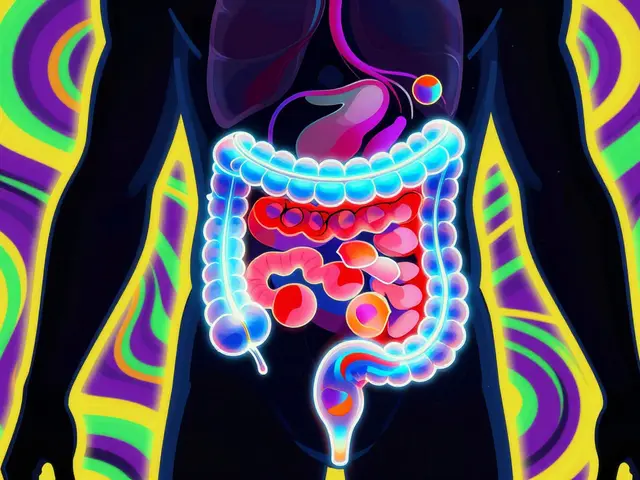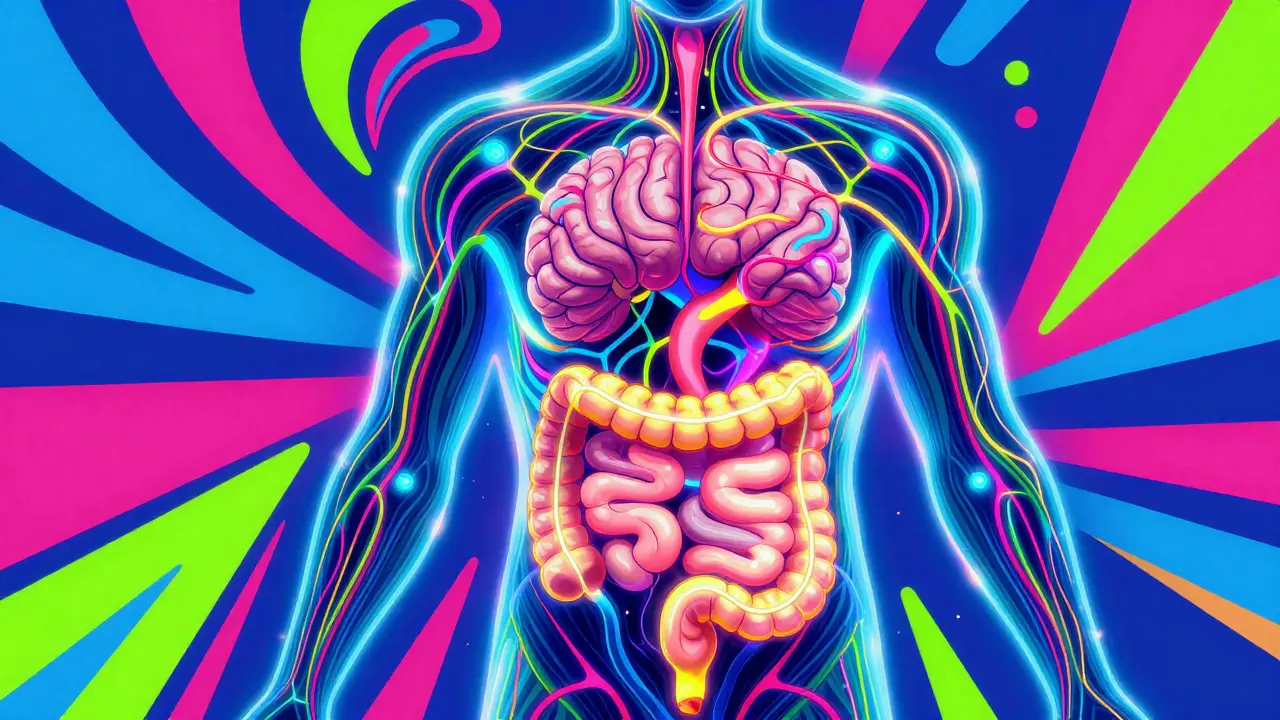
Does your stomach cramp up right after you eat? Do you find yourself rushing to the bathroom or struggling to go at all, with no clear reason why? If this sounds familiar, you might be dealing with Irritable Bowel Syndrome, commonly known as IBS. It is a chronic functional gastrointestinal disorder that affects how your gut moves food along. Unlike other conditions, there are no visible structural damages or biochemical abnormalities in your intestines. Instead, it’s a problem of communication between your brain and your gut. According to the Rome IV criteria established by the Rome Foundation, IBS is defined by recurrent abdominal pain occurring at least one day per week for the last three months, linked to changes in stool frequency or form.
You are not alone in this struggle. Approximately 10-15% of people worldwide live with IBS. In Western countries, women make up about two-thirds of diagnosed cases. Most people start experiencing symptoms between the ages of 20 and 30, though it can happen at any age. The National Institute of Diabetes and Digestive and Kidney Diseases (NIDDK) emphasizes that IBS is a long-term condition requiring ongoing management rather than a disease with a simple cure. Symptoms often fluctuate, meaning you might have periods of remission followed by sudden flare-ups.
Recognizing the Core Symptoms of IBS
Identifying whether your digestive issues stem from IBS requires looking at the specific pattern of your symptoms. The NHS notes that the hallmark sign is abdominal pain or cramps that typically worsen after eating and improve after a bowel movement. This pain isn't just discomfort; it’s often sharp or cramping and can interfere with daily life. Alongside pain, bloating is a major complaint. Many patients describe their abdomen feeling uncomfortably full and swollen, even after small meals.
Bowel habits change significantly depending on your subtype. You might experience diarrhea, characterized by watery stools and a sudden, urgent need to go. On the flip side, constipation involves straining during bowel movements and leaving you with a sensation of incomplete evacuation. The Mayo Clinic adds that many patients notice mucus in their stool or increased gas production. Interestingly, extraintestinal symptoms affect about 70% of IBS patients. This includes issues like acid reflux, nausea, early satiety (feeling full quickly), and even noncardiac chest pain. Understanding these varied signs helps in distinguishing IBS from other gastrointestinal disorders.
Understanding IBS Subtypes: D, C, and M
Not all IBS is the same. Doctors categorize the condition into three main subtypes based on your predominant bowel habit. Knowing your subtype is crucial because it dictates which treatments will work best for you. NYU Langone Health breaks down the prevalence of these types:
- IBS-D (Diarrhea-predominant): Affects approximately 40% of IBS patients. Your primary symptom is loose, watery stools more than 25% of the time.
- IBS-C (Constipation-predominant): Affects about 35% of patients. You experience hard or lumpy stools more than 25% of the time.
- IBS-M (Mixed type): Affects roughly 25% of diagnosed cases. You alternate between both diarrhea and constipation.
This classification matters because medications that help IBS-D can worsen IBS-C, and vice versa. For instance, a drug designed to slow down gut motility would be disastrous for someone with IBS-D but potentially helpful for IBS-C. Getting this diagnosis right is the first step toward effective management.
How IBS Is Diagnosed and Red Flags to Watch For
Diagnosing IBS is largely a process of exclusion. There is no single blood test or scan that confirms IBS. Instead, healthcare providers rely on the Rome IV criteria and a thorough review of your medical history. The MSD Manuals emphasize that doctors must rule out other serious conditions first. This usually involves a physical exam and basic tests like a complete blood count and celiac serology (testing for tissue transglutaminase IgA).
However, certain "red flag" symptoms require immediate further investigation, as they suggest something more serious than IBS, such as inflammatory bowel disease or colon cancer. You should seek additional testing if you experience:
- Symptom onset after age 45-50
- Unintentional weight loss exceeding 10 pounds
- Rectal bleeding or black, tarry stools
- Iron deficiency anemia (hemoglobin below 12 g/dL in women or 13 g/dL in men)
- Nocturnal diarrhea that wakes you from sleep
- A family history of colon cancer or inflammatory bowel disease
If you have these red flags, your doctor may order a colonoscopy or fecal calprotectin testing to check for inflammation. Without these warning signs, and if your symptoms fit the Rome IV criteria, an IBS diagnosis is likely.
Common Triggers That Spark IBS Flare-Ups
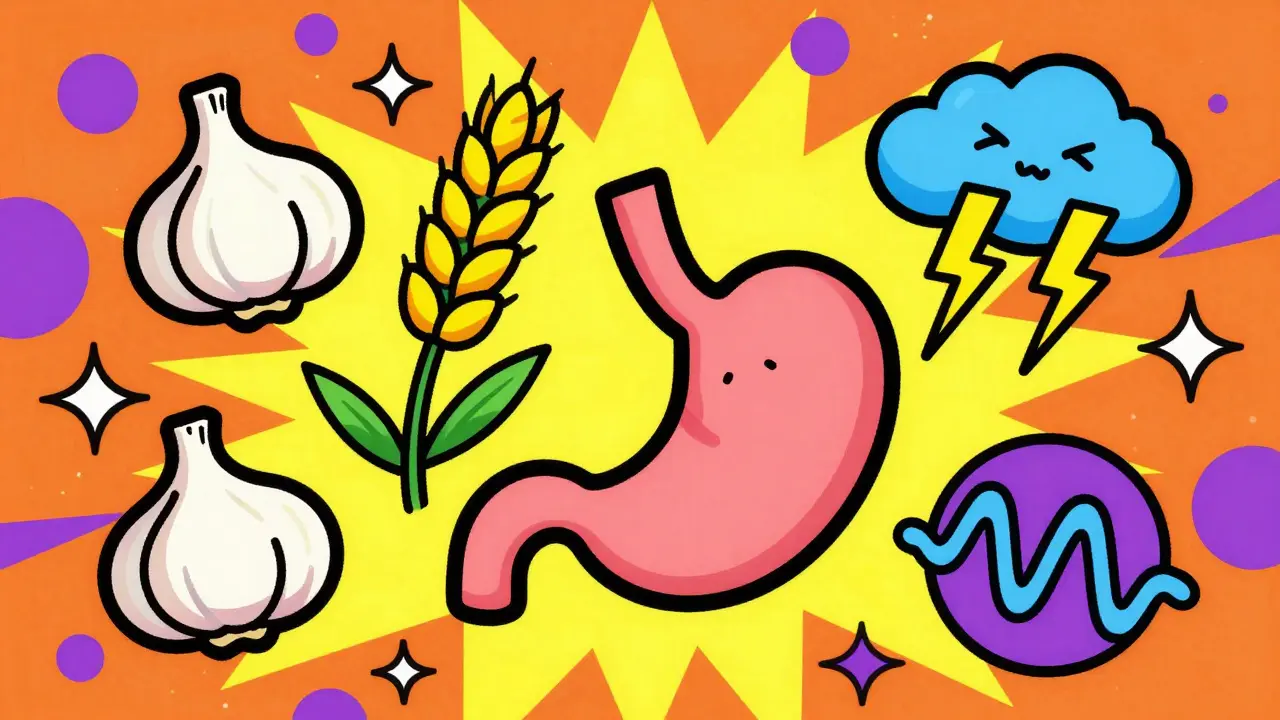
Once diagnosed, the next challenge is identifying what sets off your symptoms. Triggers vary wildly from person to person, but several common culprits emerge. Dietary triggers affect approximately 70% of IBS patients. High-FODMAP foods are the biggest offender. FODMAP stands for Fermentable Oligosaccharides, Disaccharides, Monosaccharides, and Polyols. These are short-chain carbohydrates that are poorly absorbed in the small intestine and ferment in the colon, causing gas and bloating. Common high-FODMAP foods include garlic, onions, wheat, dairy products containing lactose, and certain fruits like apples and pears.
Psychological stress is another massive trigger. The American Academy of Family Physicians notes that emotional stress exacerbates symptoms in 60-80% of IBS patients. This isn't "all in your head"-stress directly impacts gut motility and sensitivity through the gut-brain axis. Hormonal fluctuations also play a role, particularly for women. About 60-70% of female IBS patients report worsening symptoms during their menstrual periods due to changes in estrogen and progesterone levels. Additionally, antibiotic use can trigger symptoms in 25% of patients by disrupting the balance of gut microbiota.
| Trigger Category | Specific Examples | Prevalence/Impact |
|---|---|---|
| Dietary | High-FODMAP foods, caffeine, alcohol, spicy/fatty foods | Affects ~70% of patients |
| Psychological | Anxiety, depression, acute stress | Exacerbates symptoms in 60-80% of patients |
| Hormonal | Menstrual cycle fluctuations | Worsens symptoms in 60-70% of female patients |
| Medication | Antibiotics | Triggers symptoms in ~25% of patients |
Medication Options Tailored to Your Subtype
When lifestyle changes aren't enough, medication can provide relief. The key is choosing drugs that target your specific subtype. For IBS-D, the FDA has approved eluxadoline (Viberzi) and rifaximin (Xifaxan). Rifaximin is an antibiotic that reduces bacterial overgrowth in the gut, while eluxadoline slows down gut contractions. Clinical trials show that 40-50% of patients achieve adequate relief from abdominal pain and diarrhea with these treatments. Over-the-counter loperamide (Imodium) is also widely used, providing symptomatic relief for diarrhea in 60% of IBS-D patients, though it doesn't address the underlying pain.
For IBS-C, the approach is different. Linaclotide (Linzess) and plecanatide (Trulance) are guanylate cyclase-C agonists that increase fluid secretion in the intestine, helping to soften stool and speed up transit. Studies show that 30-40% of patients on linaclotide achieve at least three complete spontaneous bowel movements per week. Lubiprostone (Amitiza) is another option that increases fluid secretion, showing efficacy in 25-30% of IBS-C patients. Antispasmodics like hyoscymine (Levsin) and dicyclomine (Bentyl) are older medications that relax intestinal muscles, providing pain relief in about 55% of IBS patients regardless of subtype.
Interestingly, low-dose antidepressants are also prescribed for IBS. Tricyclic antidepressants (TCAs) like amitriptyline, at doses of 10-30 mg nightly, don't just treat mood-they modulate the gut-brain axis signaling. They have demonstrated efficacy for global IBS symptoms in 40-50% of patients, particularly helping with pain and diarrhea. Selective serotonin reuptake inhibitors (SSRIs) may be preferred for patients with IBS-C and comorbid anxiety or depression.
Lifestyle Management and Dietary Strategies
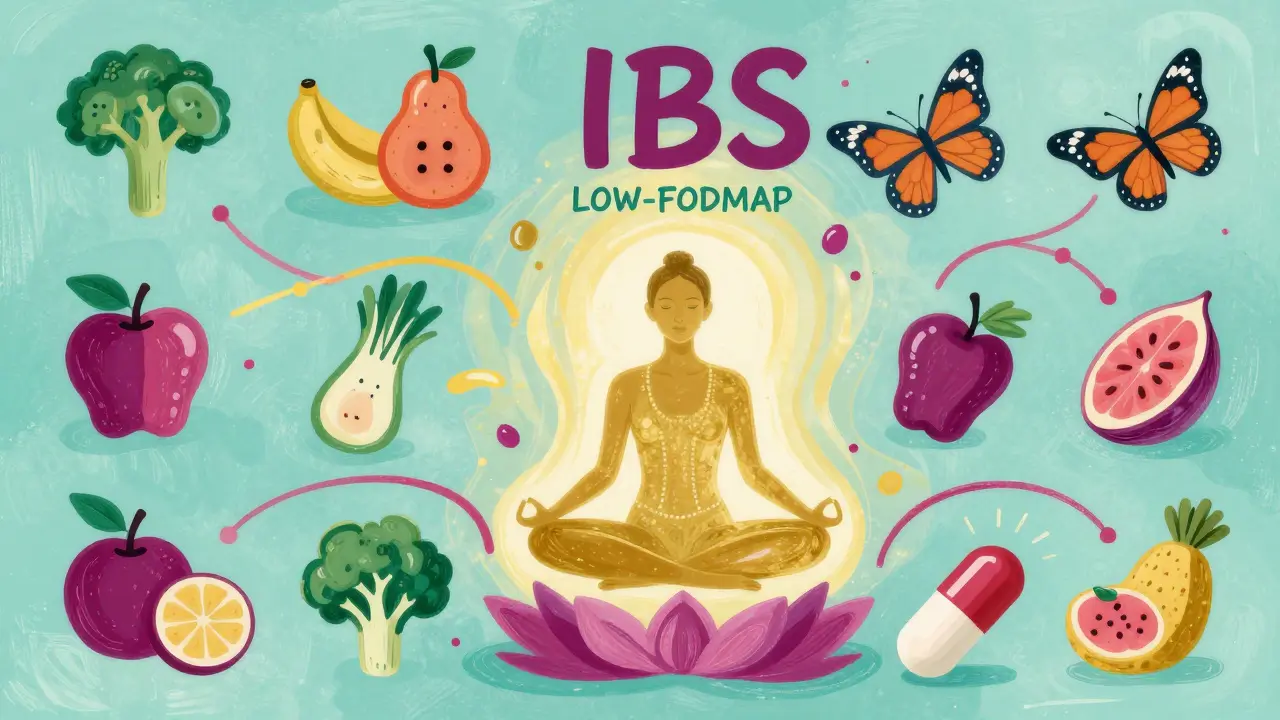
Medication is only part of the puzzle. Dr. Anthony Lembo from Harvard Medical School states that dietary modification, particularly a low-FODMAP diet supervised by a registered dietitian, provides significant symptom improvement in 50-75% of IBS patients. This diet follows a strict three-phase approach:
- Elimination (2-6 weeks): Strictly avoid all high-FODMAP foods to calm the gut.
- Reintroduction (8-12 weeks): Systematically reintroduce specific FODMAP groups to identify personal triggers.
- Personalization (Ongoing): Create a customized diet that avoids only your specific triggers while maintaining nutritional diversity.
About 70% of patients identify specific trigger foods during the reintroduction phase. Stress management is equally critical. Dr. Lin Chang from UCLA emphasizes that cognitive behavioral therapy (CBT) and gut-directed hypnotherapy have efficacy comparable to pharmacological treatments, with response rates of 40-60% in clinical trials. These therapies help retrain the brain's response to gut signals, reducing the hypersensitivity associated with IBS.
Probiotics are often recommended, but their effectiveness varies. Dr. William Chey from the University of Michigan cautions that only specific strains, like Bifidobacterium infantis 35624, demonstrate consistent benefit in randomized controlled trials, improving global symptoms in approximately 35% of patients compared to 25% on placebo. Don't just buy any probiotic; look for evidence-based strains.
Living with IBS: Patient Experiences and Outlook
The impact of IBS extends beyond physical symptoms. A 2022 survey by the International Foundation for Gastrointestinal Disorders found that 68% of respondents missed work or school due to symptoms, averaging 13.2 days missed annually. The frustration with diagnostic delays is real, with many patients reporting an average of 6.2 years from symptom onset to diagnosis. However, there is hope. The same survey revealed that 62% of respondents experienced significant symptom improvement with dietary changes, and 55% reported much better symptom control after six months of appropriate medication management.
Current research offers even more optimism. The NIH-funded Gut Microbiome Project is investigating distinct microbial signatures for IBS subtypes. Novel therapies like ibodutant, a neurokinin-2 receptor antagonist, showed 45% improvement in global symptoms in phase 2 trials. While personalized, multimodal treatment remains the standard of care, advancements in microbiome-based therapies and neuromodulators promise more targeted solutions in the near future. Managing IBS is a journey, but with the right combination of diet, stress management, and medication, most people can achieve significant relief and regain control of their lives.
What is the difference between IBS and IBD?
IBS (Irritable Bowel Syndrome) is a functional disorder, meaning there is no visible damage to the digestive tract. It causes pain and altered bowel habits but does not lead to permanent harm. IBD (Inflammatory Bowel Disease), which includes Crohn's disease and ulcerative colitis, involves chronic inflammation and visible damage to the intestinal lining. IBD can cause weight loss, anemia, and an increased risk of colon cancer, whereas IBS does not.
Can IBS be cured permanently?
Currently, there is no known cure for IBS. It is considered a chronic condition. However, symptoms can be effectively managed and controlled through a combination of dietary changes, stress management techniques, and medication. Many patients experience long periods of remission where they have few or no symptoms.
What foods should I avoid if I have IBS?
Common triggers include high-FODMAP foods such as garlic, onions, wheat, rye, dairy products containing lactose, and certain fruits like apples, pears, and mangoes. Other common irritants include caffeine, alcohol, spicy foods, and fatty or fried foods. Individual triggers vary, so keeping a food diary and working with a dietitian on a low-FODMAP elimination diet is the best way to identify your specific sensitivities.
How long does it take for IBS medication to work?
The timeline varies by medication. Antispasmodics like hyoscymine can provide relief within hours. Prescription drugs like linaclotide or rifaximin typically show effectiveness within 2-4 weeks. Low-dose antidepressants used for pain modulation may take 4-8 weeks to reach optimal effect. It is important to follow your doctor's dosage instructions and give the medication enough time to work before evaluating its efficacy.
Is stress really a trigger for IBS?
Yes, stress is a major trigger for 60-80% of IBS patients. The gut and brain are closely connected via the vagus nerve and the enteric nervous system. When you are stressed, your body releases hormones that can alter gut motility and increase sensitivity to pain. Techniques like cognitive behavioral therapy, mindfulness, and gut-directed hypnotherapy have been shown to reduce symptom severity by addressing this brain-gut connection.