Key Takeaways
- Vaginal irritation often signals an underlying sexually transmitted infection (STI).
- Common STIs that cause irritation include chlamydia, gonorrhea, trichomoniasis, bacterial vaginosis and yeast infection.
- Accurate diagnosis needs a pelvic exam, microscopy and sometimes nucleic‑acid testing.
- Treatment combines antibiotics or antifungals with lifestyle changes to restore vaginal pH.
- Consistent condom use, regular screening and good hygiene are the best prevention tools.
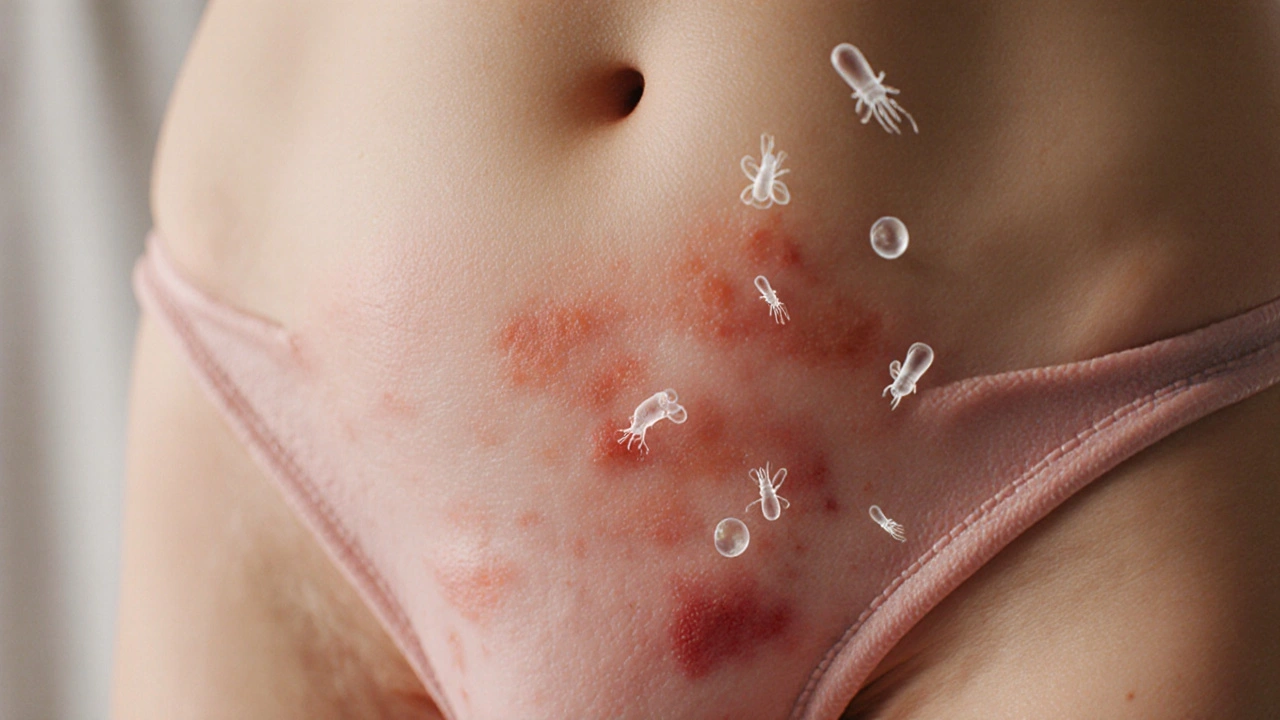
When the intimate area suddenly feels itchy, burning or unusually watery, many people assume it’s just a reaction to soap or a tight garment. While that can happen, vaginal irritation is also a frequent warning sign of a sexually transmitted infection. Understanding why these two issues are tied together can help you act fast, get the right treatment, and avoid long‑term complications.
Vaginal irritation is a broad term that covers discomfort, redness, itching, burning, abnormal discharge, or a feeling of rawness inside the vagina. It’s not a disease itself; it’s a symptom that can stem from hormonal shifts, allergic reactions, hygiene products, or, importantly, infections that spread through sexual contact.
Sexually transmitted infections (STIs) are infections passed primarily through sexual activity. Over 1million new STI cases are diagnosed in the UK each year, and many of those patients first notice an irritation before any other sign appears.
Why STIs Often Trigger Vaginal Irritation
STIs disturb the delicate balance of the vaginal ecosystem. A healthy vagina maintains a slightly acidic pH (around 3.8‑4.5) and hosts lactobacilli that keep harmful bacteria in check. When an infection enters, it can:
- Alter pH, making the environment less acidic.
- Displace beneficial lactobacilli with pathogenic microbes.
- Cause inflammation, which increases blood flow and raises temperature, leading to a burning sensation.
- Produce discharge that irritates the skin, especially if it contains enzymes or toxins.
These changes explain why irritation often appears before more classic STI symptoms like painful urination or pelvic pain.
Common STIs That Cause Vaginal Irritation
| Infection | Typical Irritation Symptoms | Prevalence (UK, 2024) | Diagnostic Test |
|---|---|---|---|
| Chlamydia | Itching, mild burning, watery or mucous discharge | ≈ 180,000 cases per year | NAAT (nucleic‑acid amplification test) on urine or swab |
| Gonorrhea | Burning during urination, thick yellow‑green discharge, soreness | ≈ 30,000 cases per year | Culture or NAAT on swab |
| Trichomoniasis | \nFrothy yellow‑green discharge, itching, odor | ≈ 50,000 cases per year | Microscopy or NAAT |
| Bacterial vaginosis | Fishy odor, thin gray discharge, mild itching | ≈ 300,000 cases per year | Amsel criteria or Nugent score |
| Yeast infection (Candidiasis) | Intense itching, thick white “cottage‑cheese” discharge | ≈ 400,000 cases per year | Microscopy or culture |
Other infections such as human papillomavirus (HPV) and herpes simplex virus (HSV) can also cause irritation, but they are usually accompanied by sores or warts that make the diagnosis clearer.
Spotting the Signs Early
Because irritation is a broad symptom, it helps to note accompanying clues:
- Discharge type: watery, yellow‑green, frothy, or thick white.
- Odor: a fishy smell often points to bacterial vaginosis, while a sour smell may suggest trichomoniasis.
- Pain during sex or urination: more common with chlamydia and gonorrhea.
- Redness or swelling: visible inflammation may indicate an acute infection.
When any of these appear, especially after a new sexual partner or unprotected intercourse, it’s wise to schedule a check‑up within 48‑72hours.
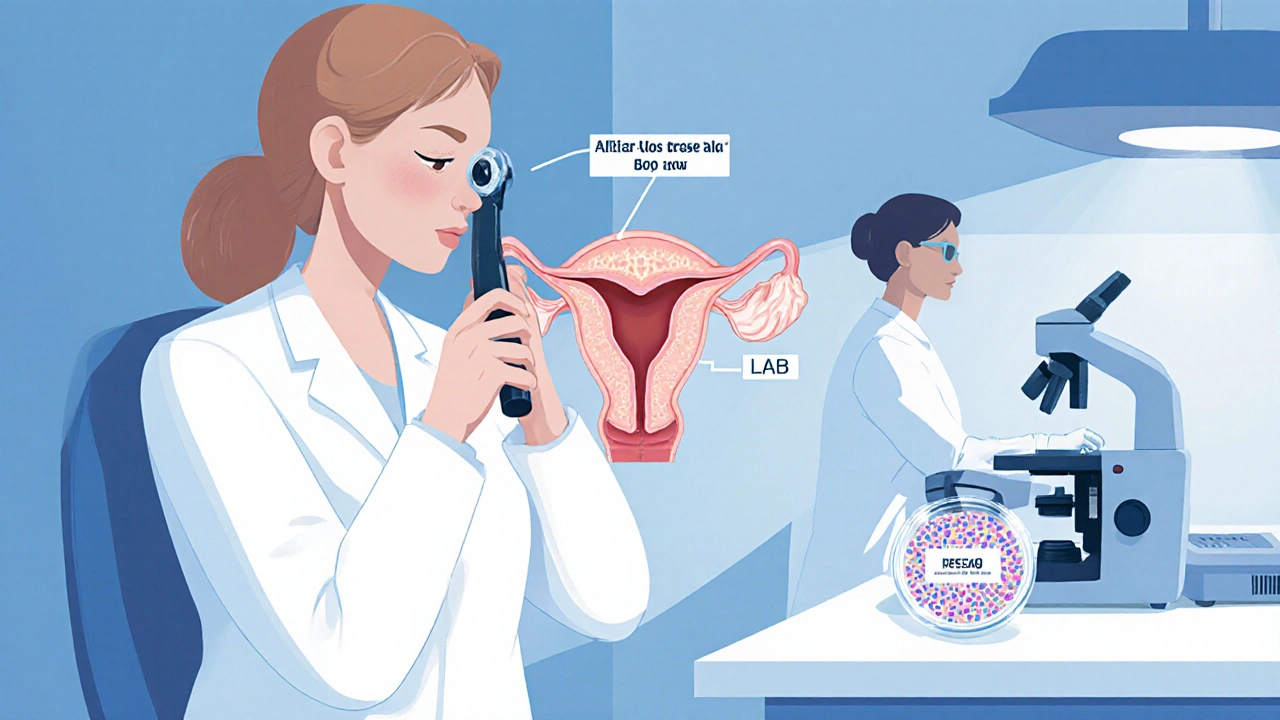
Diagnosis: What to Expect at the Clinic
A typical appointment includes:
- Medical history review - recent sexual activity, contraception use, previous infections.
- Physical exam - visual inspection of the vulva and a speculum exam to view the vagina and cervix.
- Sample collection - swabs from the vaginal walls, cervix, or urine for laboratory testing.
- Lab analysis - most clinics now use rapid NAATs that deliver results within a few hours.
If the initial tests are negative but symptoms persist, a doctor may order a microscopy to look for clue cells (bacterial vaginosis) or yeast buds (candidiasis). In rare cases, a pelvic ultrasound is ordered to rule out more serious complications like pelvic inflammatory disease.
Treatment Strategies Tailored to the Infection
Because each pathogen responds to specific medications, the key is getting an accurate diagnosis first. Below is a quick guide:
- Chlamydia: Single dose of azithromycin 1g PO or 7‑day doxycycline 100mg bid.
- Gonorrhea: Ceftriaxone 500mg IM plus azithromycin 1g PO (dual therapy to cover co‑infection).
- Trichomoniasis: Metronidazole 2g PO single dose or 500mg bid for 7days.
- Bacterial vaginosis: Metronidazole gel 0.75% intravaginal for 5days or oral tinidazole 2g single dose.
- Yeast infection: Fluconazole 150mg PO single dose; topical azoles for recurrent cases.
Partner treatment is crucial. Even if the partner feels fine, untreated infection can be passed back, leading to recurrence. Follow‑up testing 1‑2weeks after therapy confirms clearance.
Preventing Irritation and STIs
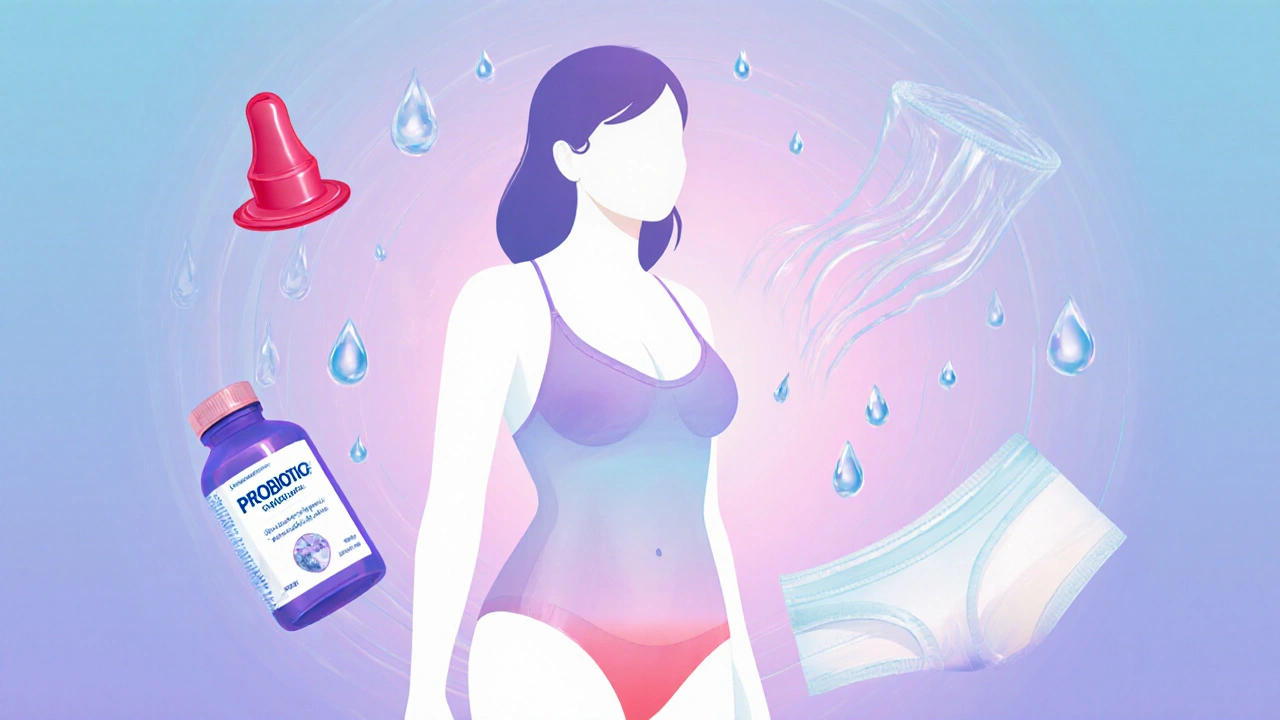
Prevention is a mix of smart sexual practices and everyday care:
- Condoms: Use latex or polyurethane condoms consistently; they reduce transmission of chlamydia, gonorrhea, trichomoniasis, and HSV.
- Regular screening: Annual STI tests for sexually active adults, every 3‑6months for high‑risk groups.
- Hygiene: Wash with warm water only, avoid scented soaps, douches, or tight synthetic underwear.
- Probiotics: Lactobacillusrhamnosus GG or L.reuteri daily can help maintain a healthy vaginal microbiome.
- Vaccination: HPV vaccine (Gardasil9) protects against strains that cause genital warts and cervical cancer, indirectly reducing irritation.
If you notice irritation, resist the urge to self‑diagnose with over‑the‑counter creams without a professional opinion-some treatments can worsen an underlying infection.
When to Seek Immediate Care
Call a health professional right away if you experience any of the following:
- Severe pelvic pain or fever.
- Sudden heavy bleeding or spotting after intercourse.
- Large, painful ulcers (possible herpes or syphilis).
- Persistent irritation despite two weeks of home care.
Early intervention prevents complications like pelvic inflammatory disease, infertility, or chronic pain.
Frequently Asked Questions
Can condom use completely eliminate vaginal irritation caused by STIs?
Condoms dramatically lower the risk of most bacterial and viral STIs, which are the main culprits behind irritation. However, they don’t protect against irritants like soaps or allergic reactions, so proper hygiene is still needed.
Is it safe to use over‑the‑counter antifungal creams if I suspect an STI?
Self‑treating without a diagnosis can mask symptoms and allow a bacterial infection to spread. It’s best to get tested first; a doctor can prescribe the right medication if an STI is confirmed.
How long does it take for irritation to clear after treatment?
Most bacterial STIs improve within 3‑5days of starting antibiotics, while yeast infections may linger 1‑2weeks. Persistent irritation after treatment should prompt a follow‑up visit.
Can the HPV vaccine reduce vaginal irritation?
HPV itself rarely causes irritation, but it can lead to warts that are uncomfortable. The vaccine prevents those strains, indirectly lowering the chance of irritation related to wart treatment.
Are home probiotic supplements effective for preventing STI‑related irritation?
Evidence shows daily Lactobacillus strains help maintain a low vaginal pH, which can deter overgrowth of harmful bacteria. They’re a useful adjunct but not a replacement for condoms and regular screening.



ashish ghone
October 12, 2025 AT 00:30Hey everyone, thanks for sharing this super detailed guide 🙏. I know how overwhelming it can feel when you notice that weird itch or burning sensation, especially if you’ve never dealt with an STI before. First off, it’s absolutely normal to feel a mix of anxiety and curiosity – you’re not alone in this. The key takeaway is that irritation is often the first whisper that something is off, so catching it early can save you a lot of trouble later on. If you notice any unusual discharge, a fishy odor, or that persistent redness, schedule a test within 48‑72 hours; most clinics can run a rapid NAAT and have results in a few hours. While you’re waiting, keep the area clean with warm water, avoid scented soaps, and steer clear of douches – they can actually disrupt your natural pH even more. Remember, condoms are your best defense against most bacterial and viral STIs, and they also protect against irritation caused by partner fluids. If you’re in a monogamous relationship, consider getting tested together; partner treatment is crucial to prevent reinfection. Probiotics like Lactobacillus rhamnosus GG can help maintain that acidic environment, but they’re not a substitute for safe sex practices. And don’t forget the HPV vaccine – it guards against strains that cause warts which can be uncomfortable. Should you get a prescription for antibiotics or antifungals, take the full course even if symptoms improve early; incomplete treatment can lead to resistance or recurrence. Follow‑up testing a week or two after finishing meds is a good idea to confirm clearance. If you ever feel severe pelvic pain, fever, or heavy bleeding, seek urgent care – those signs could indicate something more serious like PID. Lastly, try not to self‑diagnose with over‑the‑counter creams without a professional opinion; the wrong cream can make a bacterial infection worse. Stay informed, stay proactive, and take care of yourself – you’ve got this! 😊
steph carr
October 23, 2025 AT 00:30It’s great to see such a thorough breakdown of how irritation can point to an infection. I’ve learned that the microbiome balance is delicate, and even a small pH shift can cause noticeable symptoms. For anyone reading, I’d add that keeping a symptom diary-note the type of discharge, any odor, and timing-can really help your clinician pinpoint the cause faster. Also, regular screening every year, or more often if you have multiple partners, is the smartest move. Remember, knowledge is power, and the more you know, the quicker you can act.
Vera Barnwell
November 2, 2025 AT 23:30Wow, you really think the mainstream medical community is giving us the full picture? Let me tell you, there’s a whole hidden agenda behind the “standard” STI testing protocols. The labs are funded by big pharma, and they only push the most lucrative antibiotics while downplaying natural microbiome‑supporting therapies. I’ve read private studies-still under the radar-that show probiotic regimens can beat antibiotics for certain mild infections, but they’re quietly suppressed. And don’t even get me started on the vaccine push; it’s all about controlling populations under the guise of public health. Keep your eyes open, question the guidelines, and consider holistic alternatives before you swallow another pill. The truth is out there, just not in the glossy pamphlets you get at the clinic.
David Ross
November 13, 2025 AT 23:30Excellent summary, ashish! 👍, I especially appreciate the emphasis on prompt testing and partner treatment-so vital! Also, the reminder about avoiding scented products is spot‑on; many people underestimate how much chemicals can disrupt the vaginal flora. One more thing: staying hydrated helps flush out toxins, and wearing breathable cotton underwear can prevent excess moisture that fosters bacterial growth. Keep sharing such practical tips; they make a real difference in everyday health management.
Henry Seaton
November 24, 2025 AT 23:30We must all remember that personal responsibility starts with respecting our bodies and the people we are intimate with. Ignoring irritation is like ignoring a warning light on a car-it can lead to bigger problems later. Use protection, get tested, and treat seriously.
Baby Thingie
December 5, 2025 AT 23:30Proper diagnosis before treatment is essential.
Abby Elizabeth
December 16, 2025 AT 23:30Ugh, another preachy post about “responsibility.” Like seriously, we’re all adults here, not kids in a classroom. You can’t just tell everyone to “use protection” and expect miracles, because life’s messy and people make choices. Anyway, the article is decent but could’ve used less moralizing and more actual data, like actual stats on recurrence rates after improper self‑treatment. Just saying.
Mark Haycox
December 27, 2025 AT 23:30The so‑called “hidden agenda” you mention sounds like typical conspiracy nonsense. Real scientific research is peer‑reviewed and reproducible; there’s no secret “big pharma” plot to hide probiotic cures. If you want credible alternatives, look at CDC guidelines-they’re based on solid evidence, not speculation.
Michael Taylor
January 7, 2026 AT 23:30Thank you for the thorough follow‑up, David!!! Your points about hydration and breathable fabrics are fantastic!! Also, the reminder to avoid douches really can’t be overstated!! It’s those little habits that keep the pH stable!! Keep the great info coming!!!
Troy Brandt
January 18, 2026 AT 23:30Reading through all these tips makes me think about how many people overlook the simple habit of changing underwear daily, especially after workouts. It’s a small step, but staying dry and clean can thwart the growth of harmful bacteria. Also, many folks don’t realize that a diet rich in fermented foods can naturally support lactobacilli, enhancing the vaginal ecosystem from the inside out. It would be great if more public health campaigns emphasized these lifestyle factors alongside condom use. Has anyone tried a specific probiotic regimen and noticed a tangible difference?
Barbra Wittman
January 29, 2026 AT 23:30Oh, look at us getting all “wellness guru” on a medical forum-how original. Sure, diet and underwear matter, but let’s not pretend that they’ll magically erase a chlamydia infection. You still need the prescribed antibiotics, no matter how many kombucha drinks you sip.
Gena Thornton
February 9, 2026 AT 23:30While it’s true that antibiotics are required for bacterial STIs, integrating probiotic support after the course can help restore the microbiome faster. Studies show that supplementing with Lactobacillus after treatment reduces recurrence rates of bacterial vaginosis. So a combined approach-medical treatment plus lifestyle support-offers the best outcomes.
Lynnett Winget
February 20, 2026 AT 23:30Imagine a world where we treated our bodies like gardens: we’d tend to the soil, water just enough, and pull out the weeds before they choke out the good plants. That’s essentially what we’re doing when we keep our vaginal pH balanced-nurturing the good bacteria while keeping the bad ones at bay. So next time you’re tempted to grab an over‑the‑counter cream, think of it as a chemical pesticide; sometimes it’s better to let nature do its job, with a little helpful boost from probiotics.
Amy Hamilton
March 3, 2026 AT 23:30That garden metaphor beautifully captures the delicate equilibrium of the vaginal microbiome. Philosophically, we can view health as a dynamic balance rather than a static state; interventions should aim to restore harmony, not merely eradicate perceived threats. Hence, evidence‑based use of antibiotics, combined with supportive measures like targeted probiotics, aligns with a holistic, yet scientifically grounded, approach.
Lewis Lambert
March 14, 2026 AT 23:30Indeed, the drama of a disrupted microbiome is like a storm breaking the calm of a serene lake-ripples turn into waves that erode the shore. When the balance tips, we see symptoms flare up, but with the right treatment plan-prompt antimicrobial therapy plus probiotic reinforcement-the waters can settle again, restoring clarity and comfort.
Tamara de Vries
March 25, 2026 AT 23:30Totally agree! I’ve actually tried that combo after a bout of bacterial vaginosis, and within a week the irritation lessened dramatically. Just remember to finish the full antibiotic course first, then add the probiotic; otherwise you risk killing the good bugs before they can repopulate.
Suraj Midya
April 6, 2026 AT 00:30Yo, folks need to stop treating this like a joke. Real irritation means real risk, and you can't just brush it off with some cheesy line. If you skip the test because you're "busy", you're basically inviting trouble. Take it seriously, get checked, and respect yourself and others.