
DPP-4 Inhibitor Joint Pain Checker
Joint Pain Assessment
This tool helps you determine if your joint pain might be related to DPP-4 inhibitor medications like Januvia or Onglyza. Based on FDA-reported patterns.
Key Facts
• FDA documented 33 cases of severe joint pain linked to DPP-4 inhibitors
• 23 cases resolved within 1 month of stopping medication
• Pain often affects multiple joints (knees, hips, hands)
• Symptoms may appear after 6 months of use
• Risk applies to all DPP-4 inhibitors (Januvia, Onglyza, etc.)
If you're taking a DPP-4 inhibitor for type 2 diabetes, and your knees, hips, or hands have started hurting more than usual, it’s not just bad luck. DPP-4 inhibitors can cause severe joint pain - a side effect many patients and doctors miss.
What Are DPP-4 Inhibitors?
DPP-4 inhibitors are oral diabetes drugs that help lower blood sugar by boosting natural hormones that tell your body to release insulin after meals. They don’t cause weight gain or low blood sugar on their own, which is why they’re popular. Common brands include Januvia (sitagliptin), Onglyza (saxagliptin), Tradjenta (linagliptin), and Nesina (alogliptin). Since the first one, sitagliptin, was approved in 2006, millions of people have used them. In the U.S. alone, sitagliptin was prescribed over 35 million times in 2022.
The FDA Warning You Might Not Have Heard
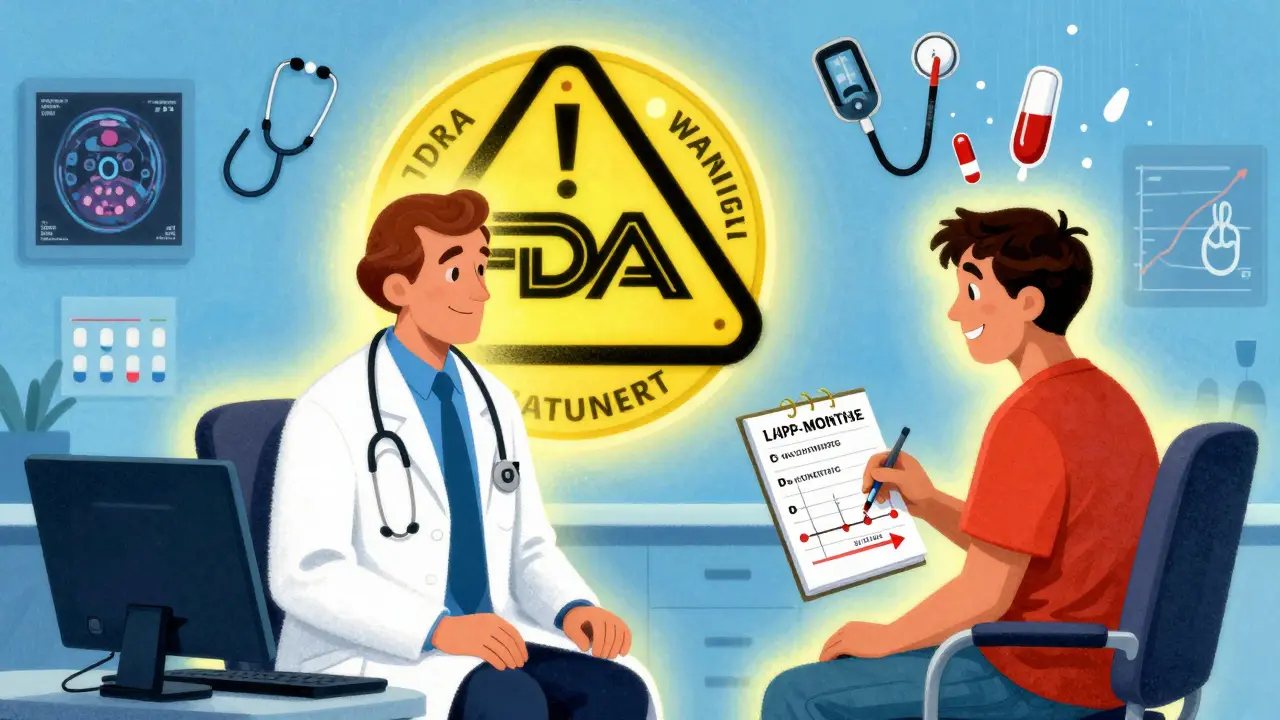
In August 2015, the U.S. Food and Drug Administration (FDA) issued a serious alert: DPP-4 inhibitors may cause severe, disabling joint pain. This wasn’t a guess. The FDA reviewed over 7 years of patient reports - from 2006 to 2013 - and found 33 confirmed cases of intense joint pain linked directly to these drugs. Twenty-eight of those cases involved sitagliptin. Five involved saxagliptin. Others were tied to linagliptin, alogliptin, or vildagliptin.
What made this warning stand out? In 23 of the 33 cases, the pain went away within a month after stopping the drug. Eight patients had the pain come back within days when they restarted the same medication. That’s not coincidence - that’s cause and effect.
What Does the Pain Feel Like?
This isn’t the kind of ache you get after a long walk. Patients describe it as deep, constant, and disabling. Many report pain in multiple joints at once - knees, wrists, hips, shoulders. Some can’t walk. Others can’t hold a coffee cup. Ten patients in the FDA’s report needed hospitalization because the pain was so bad they couldn’t function.
One woman, 58, started taking sitagliptin and three weeks later couldn’t climb stairs. Her knees were swollen and burning. She was diagnosed with rheumatoid arthritis - until she stopped the drug. Within two weeks, the pain vanished. When she accidentally took it again, the pain returned in 48 hours.
Doctors often mistake this for arthritis, lupus, or gout. Patients spend months seeing rheumatologists, getting MRIs, and taking anti-inflammatories - all while the real cause sits in their medicine cabinet.
When Does the Pain Start?
It can happen fast - within the first month of starting the drug. But it can also creep in slowly. Some patients didn’t notice pain until they’d been on the medication for a year. That’s why it’s easy to overlook. If you’ve been on a DPP-4 inhibitor for six months and suddenly your joints feel stiff and sore, don’t assume it’s aging. Ask your doctor: Could this be the drug?
How Common Is This?
Severe, disabling joint pain is rare - maybe 1 in 1,000 users. But milder joint discomfort is more common. Clinical trials show 5-10% of people report some joint aching. That’s not usually serious. But if the pain is new, intense, and doesn’t improve with rest or painkillers, it’s not normal.
Large studies back this up. A 2021 analysis of health records from over 250 million Americans found that people taking DPP-4 inhibitors had a 24% higher risk of needing medical care for joint pain compared to those on other diabetes meds. Another study of veterans showed a 17% increased risk. These aren’t tiny numbers - they’re real, measurable risks.
What Should You Do?
Don’t stop your medicine on your own. DPP-4 inhibitors help control blood sugar, and stopping suddenly can raise your risk of complications. But if you’re experiencing new, severe joint pain:
- Write down when it started, which joints hurt, and how bad it is.
- Call your doctor. Say: “I think this pain might be from my diabetes pill.”
- Ask if your drug is a DPP-4 inhibitor. If yes, ask if it could be the cause.
- If your doctor agrees, they may switch you to another diabetes drug - like metformin, SGLT2 inhibitors, or GLP-1 agonists.
Most patients feel better within weeks of stopping the drug. A few take longer. But almost all recover fully.
Other Side Effects to Watch For
DPP-4 inhibitors are generally safe, but they’re not risk-free. In rare cases, they’ve been linked to:
- Pancreatitis - inflammation of the pancreas, which can be life-threatening
- Severe allergic reactions - swelling of the face, throat, or tongue
- Bullous pemphigoid - a blistering skin condition that needs hospital treatment
- Low blood sugar - especially if taken with sulfonylureas like glipizide
If you develop blisters, swelling, or sudden, severe abdominal pain, get help immediately.

Why Do Some Studies Say It’s Not a Problem?
You might read studies that say there’s no link between DPP-4 inhibitors and joint pain. One large study in Taiwan found no connection. But here’s the catch: that study used insurance codes to spot joint pain - and many cases were misclassified. If a patient went to the doctor for knee pain and the doctor coded it as “osteoarthritis,” the real cause - the drug - got lost.
Other studies, like the FDA’s and the 2021 U.S. health records analysis, used direct patient reports and medical reviews. Those found clear signals. The truth? Mild joint aches are common in older adults with diabetes. But disabling, sudden, multi-joint pain? That’s not normal aging. It’s a red flag.
What’s the Bottom Line?
DPP-4 inhibitors work well for many people. The benefits still outweigh the risks for most. But if you’re experiencing severe joint pain, don’t ignore it. This side effect is real, documented, and reversible.
Diabetes care isn’t one-size-fits-all. If your current drug is making your joints hurt, there are other options. Talk to your doctor. Bring up the FDA warning. Ask for a switch. Your joints - and your quality of life - matter just as much as your blood sugar numbers.
What If You’ve Already Stopped the Drug?
If you stopped a DPP-4 inhibitor because of joint pain and felt better, tell your doctor. Don’t restart it unless you’re fully aware of the risk. If you do restart it and the pain comes back, don’t wait - stop again and discuss alternatives. Your body already gave you the answer.
Can DPP-4 inhibitors cause joint pain even after years of use?
Yes. While many cases start within the first month, some patients develop severe joint pain after six months or even a year of taking the drug. The FDA has documented cases where pain began after long-term use and resolved only after stopping the medication.
Is joint pain from DPP-4 inhibitors permanent?
No. In 23 out of 33 documented FDA cases, joint pain resolved within one month of stopping the drug. Most patients recover fully. Recurrence after restarting the drug confirms the link.
Which DPP-4 inhibitor has the highest risk of joint pain?
Sitagliptin (Januvia) was linked to the most cases in FDA reports - 28 out of 33. But because all DPP-4 inhibitors work the same way, the risk appears to be class-wide. Any drug in this group can cause the side effect.
Should I stop taking my DPP-4 inhibitor if I have joint pain?
Don’t stop on your own. Contact your doctor immediately. They can assess whether the pain is likely related to the drug and help you switch safely to another diabetes medication without risking high blood sugar.
Are there alternatives to DPP-4 inhibitors for type 2 diabetes?
Yes. Common alternatives include metformin (first-line), SGLT2 inhibitors like empagliflozin, GLP-1 agonists like semaglutide, or insulin if needed. Your doctor can choose one based on your blood sugar, weight, kidney function, and other health factors.


Jay Tejada
January 5, 2026 AT 07:52Allen Ye
January 6, 2026 AT 23:21josh plum
January 7, 2026 AT 17:23jigisha Patel
January 8, 2026 AT 21:10Jason Stafford
January 9, 2026 AT 11:32Rory Corrigan
January 10, 2026 AT 04:03Connor Hale
January 12, 2026 AT 00:44Catherine HARDY
January 13, 2026 AT 04:44bob bob
January 13, 2026 AT 12:12Abhishek Mondal
January 13, 2026 AT 18:31Joseph Snow
January 14, 2026 AT 19:44melissa cucic
January 15, 2026 AT 19:44Akshaya Gandra _ Student - EastCaryMS
January 15, 2026 AT 22:56Jacob Milano
January 15, 2026 AT 23:50