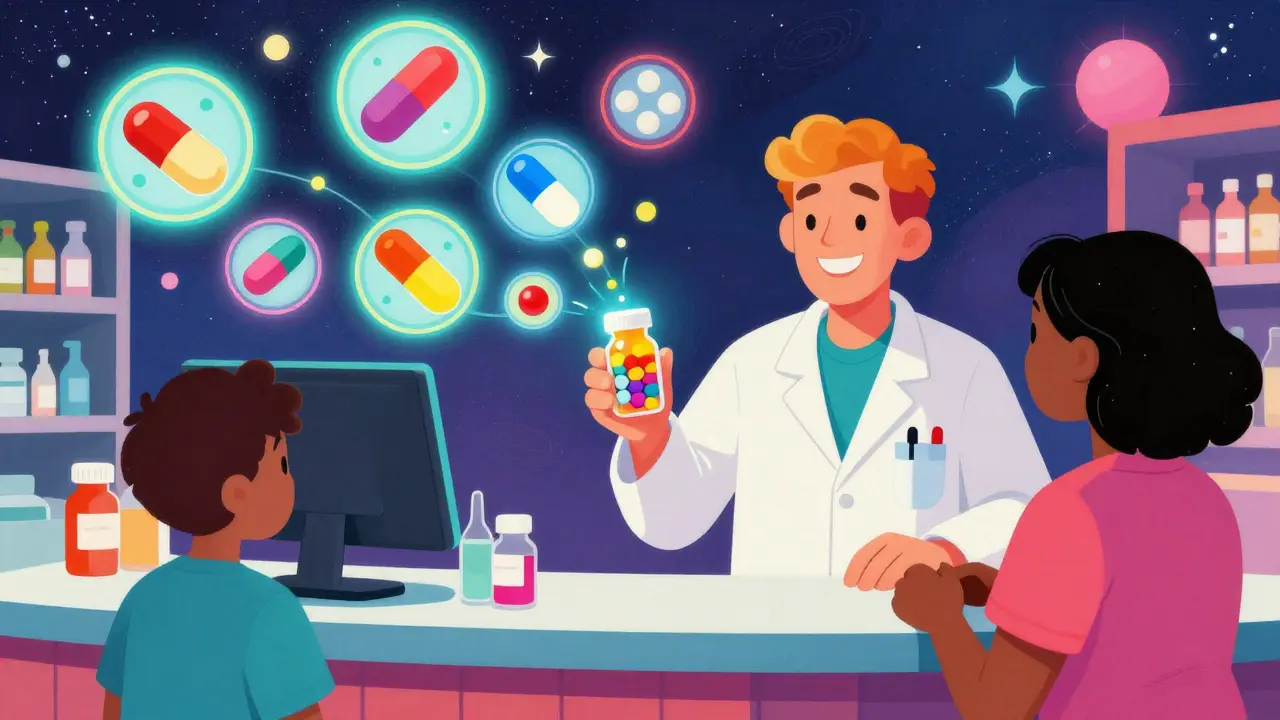
When your pharmacist hands you a pill that looks completely different from what you’ve been taking, it’s natural to wonder: is this really the same thing? You’ve been on your brand-name medication for years. It worked. It was predictable. Now, suddenly, the color, shape, or even the name on the bottle has changed. And you’re being told it’s just as good - but cheaper. What’s really going on?
Switching from brand-name drugs to generics isn’t just a pharmacy routine. It’s a decision with real consequences - for your wallet, your health, and even your peace of mind. In the U.S., about 90% of prescriptions are filled with generics. That’s not because doctors prefer them - it’s because they cost far less. But cost savings don’t always mean smooth sailing.
What Exactly Is a Generic Drug?
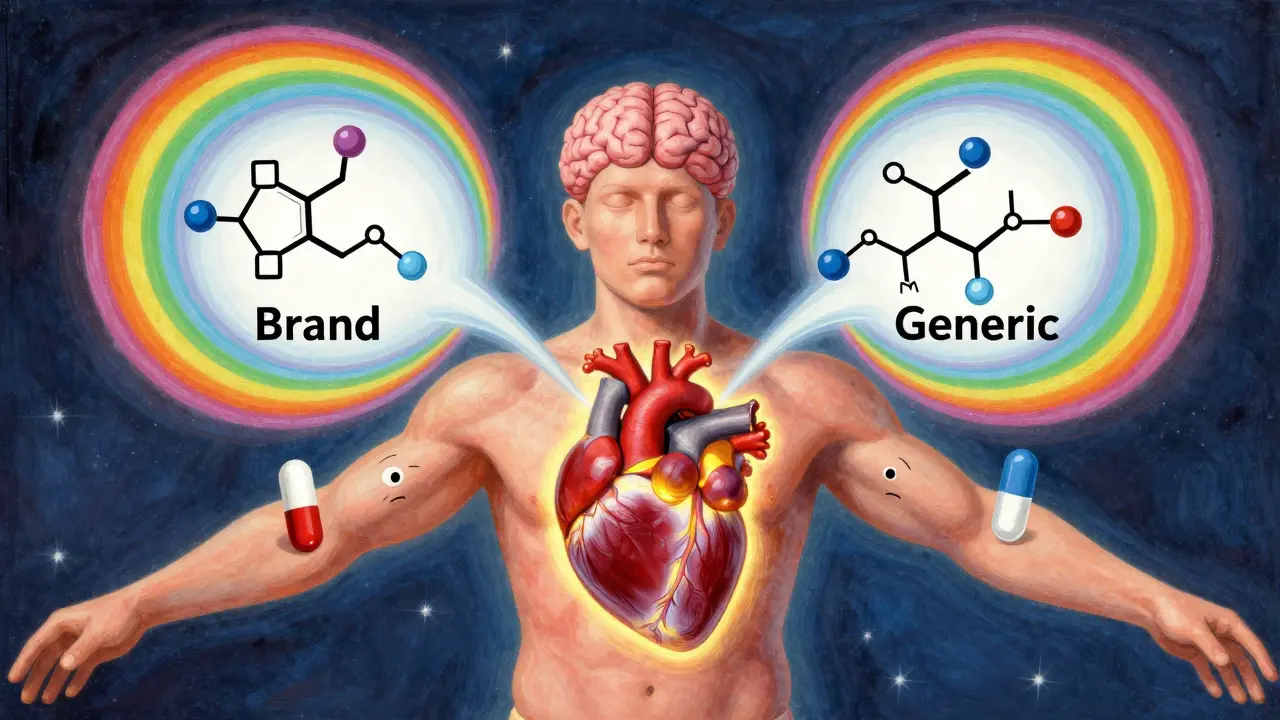
A generic drug isn’t a copycat. It’s legally required to be the same as the brand-name version in every meaningful way. The U.S. Food and Drug Administration (FDA) says generics must contain the same active ingredient, in the same strength, and work the same way in your body. They’re not weaker. They’re not inferior. They’re not “second choice.” They’re identical in how they treat your condition.
But here’s the catch: they don’t have to look the same. Trademark laws prevent generic manufacturers from copying the exact shape, color, or logo of the brand-name pill. So if your levothyroxine used to be a small white oval, and now it’s a large blue capsule - that’s normal. It doesn’t mean it’s different. It just means you’re getting it from a different maker.
Even more confusing? The generic you get this month might not be the same one next month. Because of how pharmacies buy drugs, your prescription could switch between three or four different generic manufacturers in a year. Each one uses slightly different fillers, dyes, or preservatives. For most people, this doesn’t matter. For some, it can.
Why Do Generics Cost So Much Less?
Brand-name drugs cost a fortune because the company that invented them had to pay for years of research, clinical trials, and marketing. Once the patent expires - usually after 10 to 12 years - other companies can make the same drug. They don’t have to repeat the expensive trials. They just need to prove their version behaves the same way in your body.
This is called bioequivalence. The FDA requires that a generic delivers the same amount of active ingredient into your bloodstream within 80% to 125% of the brand-name drug’s rate. That’s a wide range - but it’s still tight enough to ensure safety.
Because of this, generics typically cost 80% to 85% less. A 30-day supply of a brand-name blood pressure pill might run $120. The generic? Often under $10. That’s why insurance plans push generics hard. Some won’t cover the brand at all unless your doctor writes “dispense as written.”
When Switching Works - And When It Doesn’t
For most drugs, switching to a generic is seamless. Antibiotics, statins, antidepressants, and diabetes meds? People switch all the time with zero issues. A 2022 review of 1,245 patient reviews on Drugs.com found that 78% rated generic versions as “good” or “excellent.”
But there are exceptions. Drugs with a narrow therapeutic index are the ones to watch. These are medications where even a tiny change in blood levels can cause big problems. Think:
- Warfarin (blood thinner)
- Levothyroxine (thyroid hormone)
- Anti-epileptic drugs (like phenytoin or valproate)
- Some immunosuppressants (like cyclosporine)
Patients on these drugs report real problems after switching. One Reddit user shared: “Switched from Synthroid to generic levothyroxine. My TSH jumped from 2.5 to 8.7 in six weeks. I felt exhausted, gained 15 pounds, and my heart was racing.” Another wrote: “After switching my epilepsy meds, I had two seizures in one week. My neurologist switched me back - and I haven’t had one since.”
These aren’t rare stories. Studies have shown increased seizure frequency after switching anti-epileptic generics. Thyroid patients often need repeat blood tests after a switch. That’s because even small differences in how the body absorbs the drug can throw off the balance.
What You Might Feel - Even If the Drug Is the Same
It’s not always about the drug. Sometimes, it’s about you.
Changing pill appearance can trigger anxiety. If you’ve been on the same pill for years, your brain associates that shape and color with “being treated.” A new pill can feel like a loss of control. One Massachusetts survey found that 63% of patients were initially worried about effectiveness - but after three months, 82% were satisfied.
Also, inactive ingredients matter. Some people are sensitive to dyes, fillers, or preservatives. A generic might use a different dye than the brand. That could cause a rash, stomach upset, or headaches - even if the active ingredient is identical.
And then there’s the issue of switching back and forth. In countries like Saudi Arabia, government procurement systems change generic suppliers every year. Over 25% of medications were switched between brand and generic - or between different generics - in just five years. That’s confusing. It increases the risk of dosing errors. It makes patients unsure what they’re taking.
What You Can Do - And What Your Doctor Should Know
You don’t have to accept a switch blindly. Here’s what works:
- Ask before the switch. If you’re on a drug with a narrow therapeutic index - or if you’ve had problems before - ask your doctor to write “dispense as written” on the prescription. That stops the pharmacy from substituting.
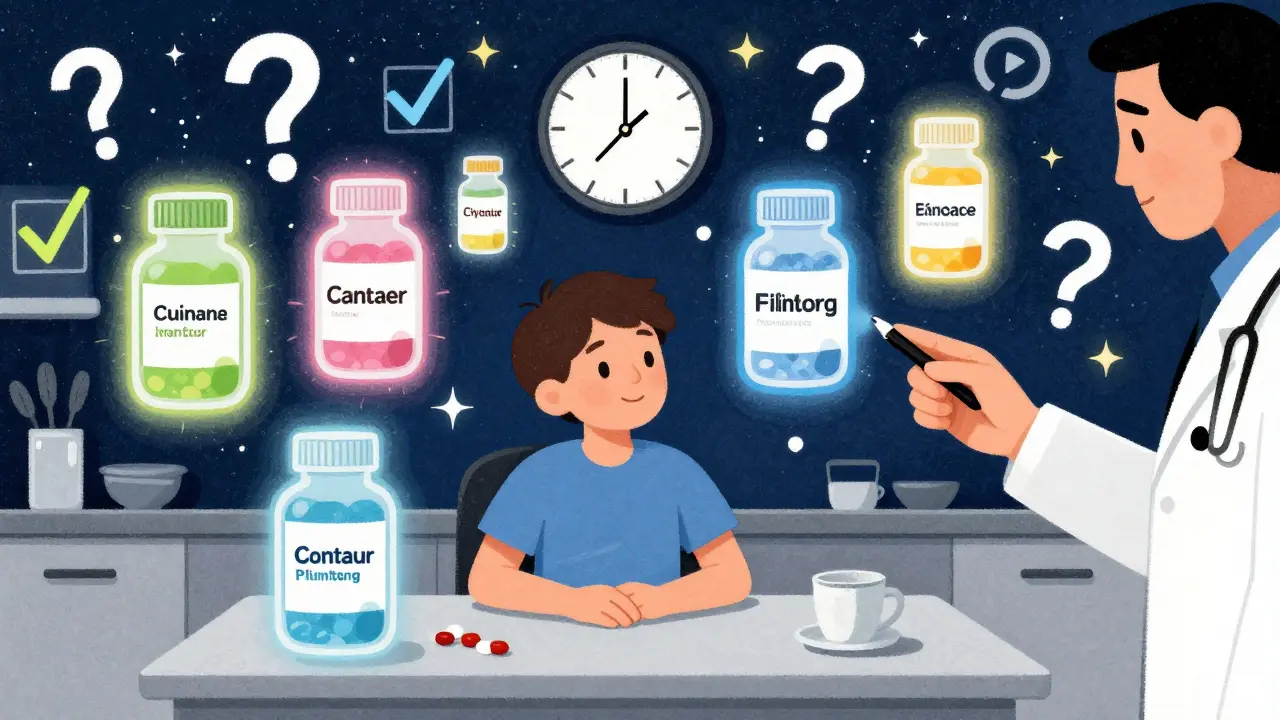
- Check the label. When you pick up your refill, look at the name of the manufacturer. If it’s different from last time, ask the pharmacist: “Is this the same drug?” They can tell you if it’s a different generic.
- Monitor your symptoms. After a switch, pay attention. Did your blood pressure change? Did your thyroid numbers shift? Did you feel worse? Write it down. Bring it to your next appointment.
- Don’t assume generics are all the same. If one generic made you feel off, try another. Not all generics are made equally. Sometimes, switching to a different manufacturer fixes the problem.
- Use pharmacy tools. Some pharmacies put stickers on bottles saying “This is a generic” or “New manufacturer.” Use those as cues. If you’re confused, call the pharmacy.
Doctors need to be proactive too. They should know which drugs are risky to switch. They should ask patients: “Have you noticed any changes since your last refill?”
The Bigger Picture: Cost vs. Care
Generics save billions. The FDA estimates they saved the U.S. healthcare system $370 billion in 2023. That money helps keep insurance premiums lower and keeps medications accessible.
But the cost of switching isn’t just financial. It’s emotional. It’s the time spent on extra doctor visits. It’s the anxiety of wondering if your meds are working. It’s the risk of hospitalization if a switch goes wrong.
Some experts argue that for certain drugs - especially those with narrow therapeutic windows - we should stop automatic substitution. Patients should have the right to choose. That’s already the case in some states. In Massachusetts, pharmacists can’t switch unless the doctor says “yes.”
The truth? Generics are safe for most people. But medicine isn’t one-size-fits-all. What works for 90% might fail for 10%. And that 10% deserves attention.
Final Thoughts: Trust, But Verify
Don’t fear generics. They’re not a compromise - they’re a smart choice. But don’t ignore your body. If something feels off after a switch, speak up. Your symptoms matter more than the label.
Keep your doctor in the loop. Ask questions. Track your health. And remember: just because a drug is cheaper doesn’t mean it’s automatically better for you. The goal isn’t just to save money - it’s to stay healthy.

Stephen Habegger
March 15, 2026 AT 15:05Justin Archuletta
March 15, 2026 AT 23:59Sanjana Rajan
March 17, 2026 AT 08:49Kyle Young
March 18, 2026 AT 20:19Aileen Nasywa Shabira
March 19, 2026 AT 17:13Kendrick Heyward
March 21, 2026 AT 04:38lawanna major
March 21, 2026 AT 20:32Ryan Voeltner
March 22, 2026 AT 23:21Linda Olsson
March 24, 2026 AT 16:17Alexander Pitt
March 26, 2026 AT 04:13Stephen Habegger
March 27, 2026 AT 13:54Manish Singh
March 28, 2026 AT 10:30