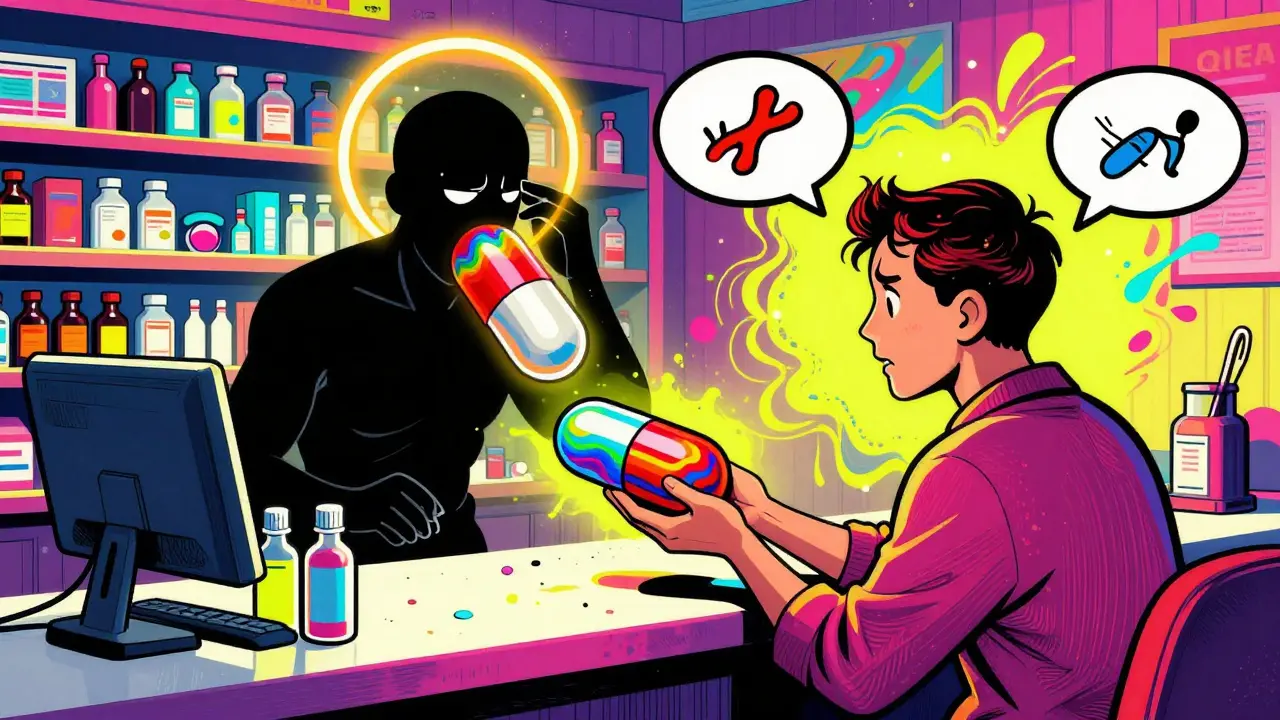
Switching from a brand-name drug to a generic shouldn’t change how you feel. The active ingredient is the same. The FDA requires it to work identically. So why do so many people report new side effects after the switch? It’s not the medicine. It’s their expectations.
What the Nocebo Effect Really Means
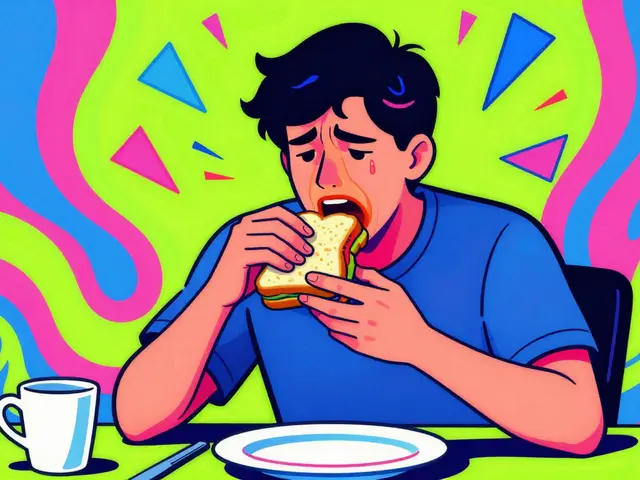
The nocebo effect isn’t imagination. It’s real. When you expect harm, your body responds with real symptoms-headaches, nausea, fatigue, muscle pain-even if the treatment is harmless. The word comes from Latin: nocebo means “I shall harm.” It’s the dark twin of the placebo effect, where positive beliefs make treatment work better. But here, belief makes things worse. Studies show that in clinical trials, nearly 1 in 5 people taking a sugar pill report side effects. About 1 in 10 quit the trial because they felt worse. And when those sugar pills were labeled as a powerful statin? The side effects doubled. Not because the pill changed. Because their minds did. This happens all the time with generics. Someone takes their brand-name blood pressure pill for years. Then their pharmacy switches them to the generic version. The next day, they get a headache. They blame the new pill. They stop taking it. Their blood pressure spikes. They go back to the doctor. The doctor prescribes the brand again. The headache disappears. The pill hasn’t changed. Only the label did.Why Generics Trigger the Nocebo Effect
Generics look different. They’re smaller. Different color. Different shape. Sometimes they even taste different. That’s enough to make people think they’re inferior. Add to that a doctor saying, “This is the cheaper version,” or a pharmacist saying, “It’s not the same as the brand,” and you’ve created a perfect storm. One study found that patients told their new generic medication “might not work as well” reported 65% more side effects than those told it was “equivalent.” Another study showed that when patients were warned that beta-blockers could cause sexual problems, they were 3 to 4 times more likely to report them-even though the drug hadn’t changed. Even media coverage plays a role. In New Zealand, when a generic version of the antidepressant venlafaxine was introduced, initial reports of side effects were normal. Then local news ran a story titled “Are Generic Antidepressants Safe?” Within weeks, reports of side effects tripled. The drug hadn’t changed. But people’s fears had.The Science Behind the Symptoms
Your brain doesn’t just think about side effects-it creates them. When you expect pain, your brain activates the same areas that light up when you’re actually hurt. When you expect fatigue, your body releases stress chemicals that make you feel tired. When you expect nausea, your gut reacts. Brain imaging studies show that negative expectations about medication trigger the amygdala and the prefrontal cortex-areas tied to fear, anxiety, and attention. Suddenly, every little ache, every normal mood swing, every tired morning becomes proof the drug is “doing something.” Statins are a classic example. In clinical trials, people taking a sugar pill report muscle pain at the same rate as those taking the real drug. That doesn’t mean statins are safe for everyone. But it does mean a huge chunk of the reported side effects aren’t caused by the medicine. They’re caused by fear.
How Doctors and Pharmacists Make It Worse
Healthcare providers often mean well. But the way they talk about generics matters. Saying “This is the generic” without context feels like a warning. Saying “This is the same drug, just cheaper” sounds like a compromise. The right approach? Frame it as an upgrade. Tell patients: “This medication has the exact same active ingredient as your brand-name version. It’s been tested to work just as well. The only difference is the price-you’ll save money without losing effectiveness.” One study found that when doctors used this positive framing, patient-reported side effects dropped by 37%. Another showed that physicians who received training on the nocebo effect reduced adverse event reports by 28% during generic switches. The European Medicines Agency and the FDA now recommend that patient leaflets for generics avoid words like “alternative,” “substitute,” or “equivalent” unless clearly explained. Instead, they should say: “This medicine contains the same active ingredient and works the same way as the brand-name version.”Real People, Real Consequences
A 62-year-old man in Ohio switched from brand-name Lipitor to generic atorvastatin. Within days, he started feeling muscle weakness. He stopped taking it. His cholesterol soared. His doctor put him back on the brand. The weakness vanished. He never went back to the generic-even though his insurance wouldn’t cover the brand anymore. A woman in Texas switched her antidepressant to a generic. She developed insomnia and anxiety. She thought the new pill was “making her worse.” She stopped taking it. Her depression returned. She spent months cycling between doctors, trying different meds, before someone asked: “Did you notice any change when you switched?” Reddit threads are full of stories like these. People swear the generic made them sick. They swear the brand fixed it. And in most cases, when they re-switched under controlled conditions, the symptoms disappeared. One study found that 45% of patients who reported muscle pain after switching to generic statins still felt it-even after going back to the brand-name version. Their brains had learned to expect pain. And now, even the right drug couldn’t undo it.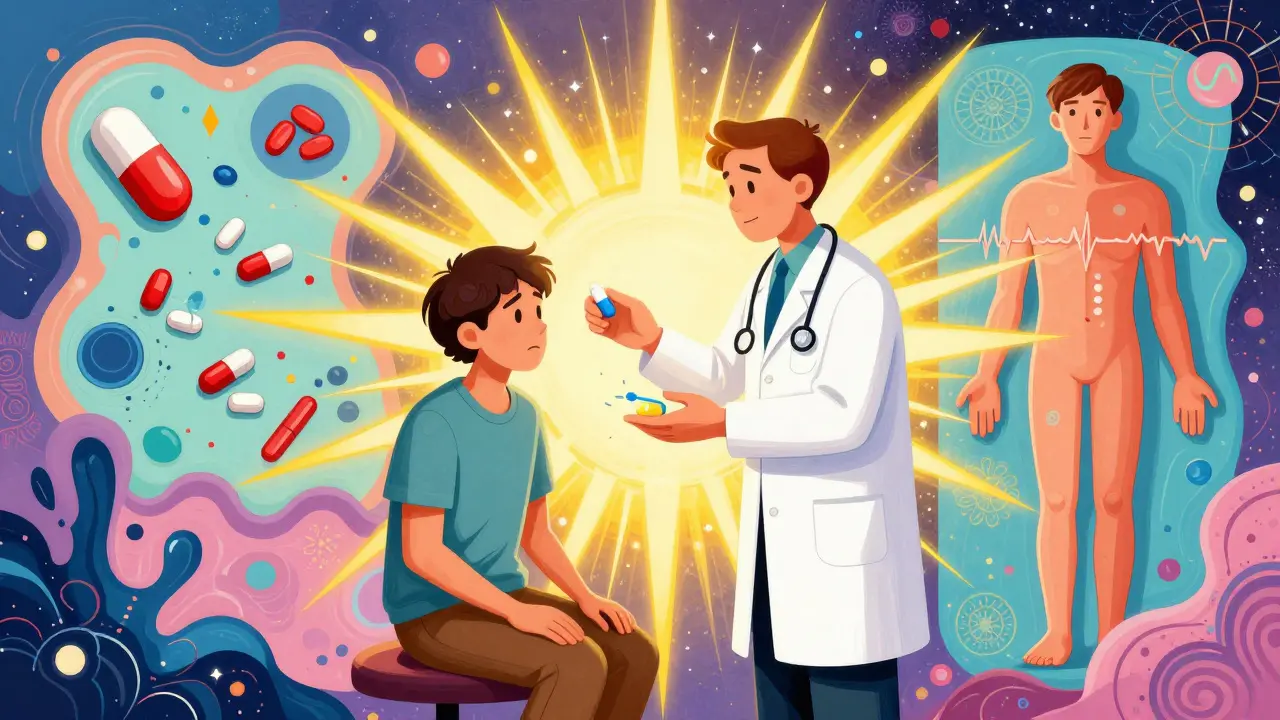
The Cost of Fear
This isn’t just about feeling bad. It’s about money. Generics make up 90% of prescriptions in the U.S. But they account for only 24% of drug spending. Why? Because people stop taking them. When patients discontinue effective generics because they think they’re unsafe, they end up back on expensive brand-name drugs. They visit doctors more often. They get unnecessary lab tests. They risk worsening conditions because they’re not taking their meds. The U.S. healthcare system loses an estimated $1.2 billion a year because of this. That’s not waste. It’s preventable harm. Pharmaceutical companies are starting to notice. Pfizer’s team for their generic atorvastatin redesigned patient materials to focus on equivalence, not difference. They saw a 22% drop in adverse event reports. The WHO says negative perceptions about generics are a top barrier to medication adherence in two out of three countries.How to Protect Yourself
If you’re switching to a generic:- Ask your doctor or pharmacist: “Is this the same medicine, just cheaper?”
- Don’t assume side effects are from the drug. Ask: “Could this be something else?”
- Keep a simple symptom log. Note when symptoms started, what you were doing, and how you felt before the switch.
- If you feel worse, don’t stop cold. Call your provider. They can help you tell if it’s the drug-or your expectations.
- Remember: the color, shape, and size of a pill don’t change how it works.
- Never say “This is the generic.” Say “This is the same medicine, but it costs less.”
- Explain bioequivalence: “It’s tested to work the same way in your body.”
- Don’t warn about side effects unless asked. If you do, frame them neutrally: “Some people feel a little tired at first. That usually passes.”
- Offer to monitor symptoms. Follow up in a week. That alone reduces anxiety.
What’s Next
Researchers are now using AI to personalize how patients hear about generics. One 2023 trial showed an AI tool that adjusted messaging based on a patient’s past beliefs reduced nocebo responses by 41%. Another study is looking at genetics-some people may be more prone to nocebo effects because of how their brains process fear. By 2025, most major healthcare systems plan to include nocebo training for staff. The goal? Make switching to generics as smooth as possible-not a source of fear. The truth is simple: your mind is powerful. It can help a pill work better. Or it can make a good pill feel bad. The difference isn’t in the capsule. It’s in the conversation before you open it.Can generic medications really cause side effects if they’re the same as brand-name drugs?
Yes, but not because of the medicine itself. Generic drugs contain the same active ingredient and are required to work identically to brand-name versions. Side effects reported after switching are often due to the nocebo effect-negative expectations triggering real physical symptoms. Studies show people report more side effects when they know they’re taking a generic, even when the pill is identical to the brand.
Why do I feel worse after switching to a generic pill?
It’s likely not the drug. Generics are chemically identical to brand-name versions. What changed is your perception. If you were told the generic might be less effective, or if the pill looks different, your brain may start interpreting normal sensations-like a headache or fatigue-as side effects. This is the nocebo effect. Many people report feeling better once they’re reassured the medication is the same.
Do doctors know about the nocebo effect with generics?
More do now than before. Leading medical organizations like the FDA and EMA have issued guidelines on how to communicate about generics to avoid triggering negative expectations. Training programs for doctors and pharmacists now include nocebo awareness. But not all providers are trained yet. If you’re switching and feel uneasy, ask your provider: “Could this be related to my expectations?”
Is it safe to switch back to the brand-name drug if I feel worse on the generic?
Yes, if your symptoms are affecting your health or quality of life. But before switching back, talk to your doctor. They can help you determine whether your symptoms are truly from the medication-or from your mind. In many cases, simply changing how you think about the generic can help. If you do switch back and feel better, it may confirm the nocebo effect rather than a problem with the generic.
How can I avoid the nocebo effect when taking generics?
Focus on facts, not fears. Ask your pharmacist: “Is this the same medicine?” If yes, remind yourself: “The color doesn’t change the effect.” Avoid searching for side effects online before you start the new pill. If you notice a symptom, wait a few days. Many early sensations are temporary or unrelated. Keep a journal. If symptoms persist, talk to your doctor-but don’t assume the worst.
Are there any long-term health risks from avoiding generics because of the nocebo effect?
Yes. Avoiding effective generic medications because of fear can lead to uncontrolled conditions-high blood pressure, high cholesterol, depression, diabetes. This increases your risk of heart attacks, strokes, and hospitalizations. The cost isn’t just financial. It’s your health. The nocebo effect is powerful, but it’s not a reason to stop treatment. It’s a reason to change how you talk about it.

Charles Barry
December 22, 2025 AT 06:42This is all just corporate propaganda to make us swallow cheap poison. The FDA? A puppet of Big Pharma. Generics are cut-rate junk made in shady labs overseas. I switched to a generic blood pressure med and my heart started skipping beats. They don't want you to know the active ingredient is only 60% pure. The rest? Talc, chalk, and radioactive isotopes. I saw a whistleblower video on Telegram-this is a genocide by dosage.
Rosemary O'Shea
December 24, 2025 AT 01:56How utterly predictable. The nocebo effect? How quaint. You're reducing the entire human experience of illness to a behavioral psychology experiment. My grandmother took generics for 20 years and died of kidney failure at 82-her doctor called it ‘idiopathic.’ I call it the silent consequence of cost-cutting. This isn’t about fear-it’s about institutional negligence disguised as science.
Tony Du bled
December 25, 2025 AT 14:55I switched to generic lisinopril last year. First week, I got a headache. Thought it was the pills. Turned out I was dehydrated from working 12-hour shifts. Took a day off, drank water, headache vanished. The pill didn’t change. My life did. Sometimes it’s not the drug-it’s the context.
Jamison Kissh
December 25, 2025 AT 19:25It’s fascinating how deeply our beliefs shape biology. The body doesn’t distinguish between ‘real’ and ‘perceived’ threat-it responds to both with equal physiological intensity. If you believe a pill will make you tired, your autonomic nervous system begins conserving energy. It’s not weakness. It’s evolution. Our ancestors who assumed danger in ambiguous signals survived longer. Today, that same mechanism makes us vulnerable to marketing and misinformation.
Candy Cotton
December 26, 2025 AT 09:18Let me be perfectly clear: the United States of America does not tolerate substandard pharmaceuticals. The FDA’s bioequivalence standards are among the most rigorous in the world. Any suggestion that generics are inferior is not only scientifically inaccurate-it is an affront to American ingenuity and regulatory excellence. Those who blame the medication are either misinformed or unwilling to accept personal responsibility for their health.
Jeremy Hendriks
December 27, 2025 AT 14:03What if the nocebo effect is just the soul screaming against the mechanization of healing? We’ve turned medicine into a transaction: pill for pain, drug for depression. We’ve forgotten that healing requires trust-not just chemistry. When a pill looks like a toy, when it’s handed to you like a coupon, when your doctor says ‘it’s just cheaper’-you’re not just taking a drug. You’re accepting a narrative that you’re expendable. Maybe the side effects are the price of being treated like a statistic.
Tarun Sharma
December 27, 2025 AT 17:27Respectfully, the science is clear. Generics are bioequivalent. The nocebo effect is well-documented. But cultural attitudes toward medication vary. In India, many still distrust generics due to past quality issues. Education and consistent messaging are key. Doctors must lead with clarity, not assumptions.
Kiranjit Kaur
December 28, 2025 AT 23:20OMG this is SO important!! 💖 I switched to generic sertraline and felt so guilty for thinking it wasn't working-until my therapist said, ‘Maybe your brain is just scared.’ I started saying ‘this is the same medicine, just cheaper’ out loud every morning. And guess what? My anxiety eased. Not because the pill changed… but because I did. 🌱✨
Sai Keerthan Reddy Proddatoori
December 29, 2025 AT 10:27They want us to believe generics are the same. But look at the packaging. The colors are dull. The letters are smaller. The logo is gone. That’s not coincidence. That’s design to make you feel like you’re getting less. And in America, less means you’re less valuable. This is how they control the poor. They give you the same medicine but make you feel like trash for taking it.
Sam Black
December 31, 2025 AT 07:46When I was a nurse in rural Australia, I saw this every day. Elderly patients would refuse generics because they ‘looked wrong.’ I started handing them the brand-name and generic side by side. ‘See? Same shape. Same number. Same letters on the side.’ One man cried-he said he thought the government was giving him ‘leftovers.’ We changed the script. We called it ‘smart medicine.’ He took it for 5 more years. Sometimes it’s not about science. It’s about dignity.
Johnnie R. Bailey
January 1, 2026 AT 00:33The nocebo effect is real, but it’s not just psychological. It’s sociological. When you’re told repeatedly that your health is a commodity, that your body is a cost center, that your pain is negotiable-that belief becomes embodied. The headache isn’t just in your head. It’s in the system that made you feel disposable. The pill doesn’t cause it. The silence around it does.
Ajay Brahmandam
January 2, 2026 AT 17:02My cousin switched to generic metformin and said she felt dizzy. We checked her blood sugar-her levels were stable. Then I asked her: ‘Did you read the side effects online?’ She said yes. Two days later she felt fine. No change in the pill. Just stopped googling. Sometimes the cure is just not reading the internet before bed.